

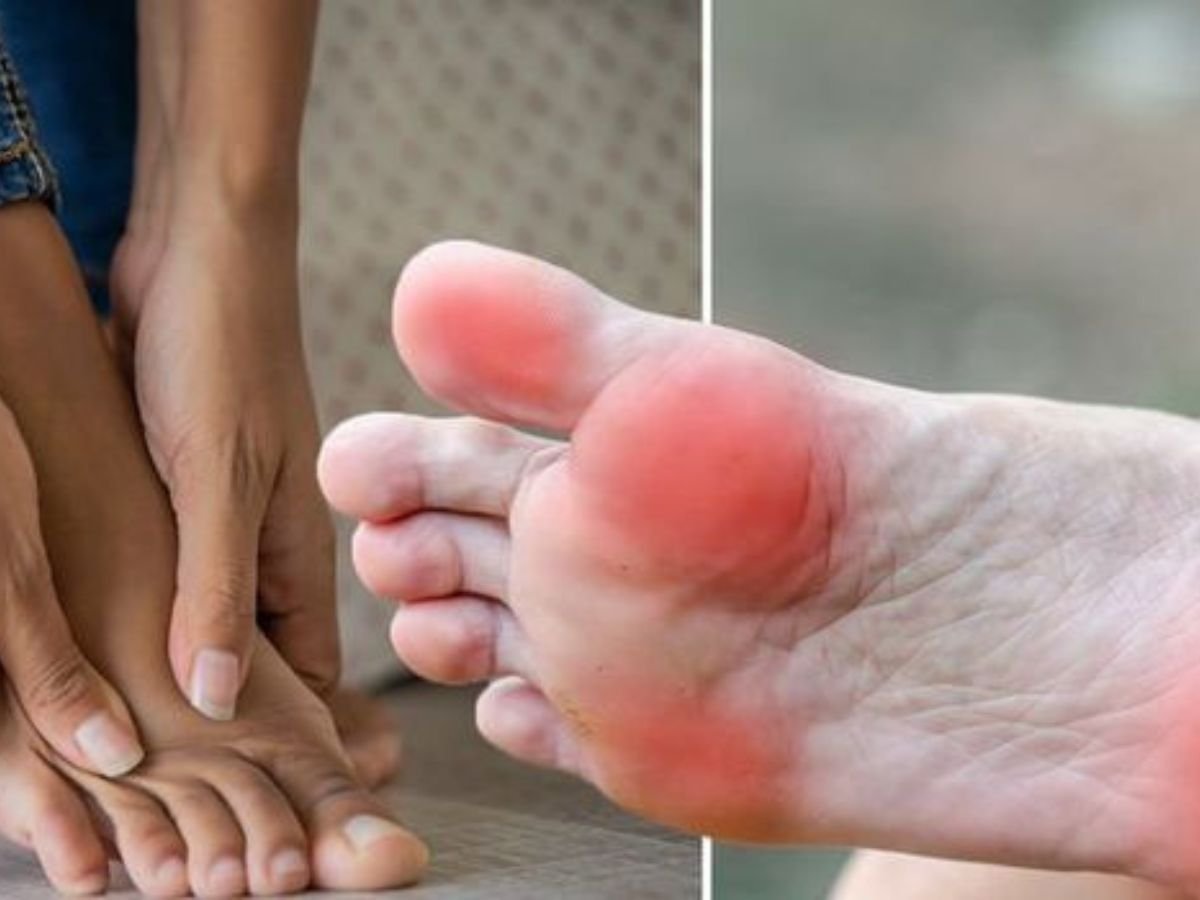
New Delhi, 08 June 2025: Your feet are more than just a means of transportation—they are often the first place where signs of underlying health conditions show up. Ignoring subtle changes in your feet may mean missing early warnings of serious diseases like diabetes, heart disease, nerve damage, and poor circulation. Health experts urge everyone to pay close attention to their feet because they can serve as visible indicators of what’s going on inside the body. Here are five health warning signs in the feet that you should never ignore and why they matter.
1. Numbness or Tingling Sensation
Experiencing numbness, tingling, or a pins-and-needles feeling in your feet occasionally after sitting in one position for too long is usually harmless, but if it happens frequently or without a clear cause, it could be a sign of peripheral neuropathy—a nerve disorder commonly caused by uncontrolled diabetes. Peripheral neuropathy affects the nerves that carry messages from your brain and spinal cord to the rest of your body, and feet are usually the first to feel the impact. Left untreated, this condition can lead to foot ulcers, infections, and even amputation. In some cases, numbness in the feet may also indicate vitamin B12 deficiency, alcoholism, or autoimmune disorders.
2. Swollen Feet and Ankles
Swelling in the feet and ankles, especially if it’s persistent or happens daily, is another red flag. While occasional swelling could be due to long hours of standing or a salty meal, chronic swelling may signal fluid retention due to heart failure, kidney disease, or poor circulation. If your feet look puffy or feel unusually tight in your shoes, don’t ignore it. Deep vein thrombosis (DVT), a blood clot condition, can also lead to swelling and may become life-threatening if not treated quickly. Seek medical advice if you experience one-sided swelling or pain along with redness and warmth.
3. Cold Feet All the Time
If your feet constantly feel cold even when the room is warm, it might be a sign of poor blood circulation. This is especially common in people with peripheral artery disease (PAD), a condition where narrowed blood vessels reduce blood flow to the limbs. PAD is a warning sign of broader cardiovascular issues and can increase the risk of stroke and heart attack. Cold feet can also be caused by hypothyroidism, where the thyroid doesn’t produce enough hormones to regulate metabolism. If your feet remain icy despite warm socks or blankets, consult your doctor to check for circulation or thyroid issues.
4. Unusual Sores or Slow-Healing Wounds
Wounds, blisters, or sores on your feet that take a long time to heal—or don’t heal at all—are strong indicators of poor circulation or undiagnosed diabetes. People with diabetes often have reduced sensation in their feet, which means they may not notice minor injuries. These can then become infected and lead to more serious complications like gangrene or amputation. Checking your feet daily for cuts, cracks, and blisters is especially important if you’re diabetic or at risk of diabetes. Never ignore a sore that lingers longer than a week—early treatment can prevent major health issues.
5. Discolored Toenails or Skin
Healthy feet should have evenly colored skin and pink, smooth nails. If you notice your toenails turning yellow, white, or black, it could be a sign of a fungal infection, injury, or even melanoma—the deadliest form of skin cancer. Blue or purple skin on the feet may indicate a lack of oxygen due to poor circulation or lung issues. Red streaks or patches can point to an infection. Sudden color changes in your feet should never be dismissed. Infections, vascular diseases, or autoimmune conditions may all begin with skin or nail discoloration.
Don’t Ignore What Your Feet Are Telling You
Your feet are constantly under pressure and carry the weight of your entire body, but they are also full of nerves and blood vessels that reflect your internal health. From numbness and swelling to wounds and discoloration, the feet often reveal what’s going wrong in other parts of your body before symptoms appear elsewhere. Regular foot checks and attention to even small changes can help you catch serious conditions like diabetes, heart disease, and neuropathy in their early stages. If you experience any of these warning signs, consult a healthcare professional promptly—your feet might just save your life.

















Leave a comment