

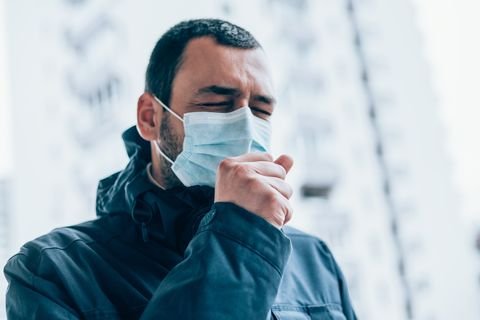
Recently in Delhi, the weather got colder, and that led to more cases of H1N1, also known as Swine Flu. This type of flu is a specific kind of virus that spreads easily and causes respiratory infections in people.
Back in 2009, the World Health Organization (WHO) declared H1N1 a big problem, calling it a pandemic. That year, about 284,400 people around the world died because of it. Even though the pandemic officially ended in 2010, the H1N1 flu kept going and became one of the reasons we still have seasonal flu outbreaks.
It’s really important to know that people with existing health problems (comorbidities) are more likely to get H1N1. Kids and older folks might take a longer time to get better if they get sick. Especially, children under 2 years old can have serious problems like difficulty breathing, being really thirsty, and getting upset easily. The usual symptoms include having a fever, feeling really cold, coughing, a sore throat, body pain, feeling tired, trouble breathing, being confused, and having a fever along with a rash.
To keep yourself and others safe, you need to follow some steps:
- Rest is super important: If you get sick, rest as much as you can. Give your body the time it needs to heal.
- Eat well and drink enough water: Having a good mix of foods and drinking lots of fluids can make the sickness less severe. Foods with lots of nutrients and staying hydrated help your body fight the virus.
- Stay at home: To stop the virus from spreading, it’s best to stay at home if you’re not feeling well. This protects the people around you.
- Get a shot: The best way to not get H1N1 is to get a shot every year. Anyone older than 6 months can get it. It’s like a shield against the virus.
Now, let’s talk more about these points.
What is H1N1, really?
H1N1 is a type of flu that goes from person to person pretty quickly. It caused a lot of trouble in 2009 when WHO said it was a pandemic. Even though that pandemic ended in 2010, H1N1 didn’t go away. It stuck around and joined the other flu types that come back every season.
Who’s more likely to get sick?
People who are already dealing with health issues are more likely to get H1N1. Kids under 2 and older people might get sicker and take more time to feel better. Sometimes, kids can have a tough time breathing, get really thirsty, and feel upset.
How do you know if you’re sick with H1N1?
Look out for things like a fever, feeling really cold, coughing a lot, a sore throat, body pain, feeling tired, trouble breathing, feeling confused, and having a fever along with a rash. If you or someone you know has these symptoms, it’s important to do something about it quickly.
How to stay safe?
- Take it easy: Resting when you’re sick is really important. It helps your body fight the virus and makes you feel better faster.
- Eat good food and drink water: Eating a mix of healthy foods and drinking enough water helps your body stay strong and fight off the virus.
- Stay home if you’re not feeling well: It’s a good idea to stay home when you’re not feeling your best. This stops the virus from spreading to others.
- Get a shot every year: The best way to avoid H1N1 is to get a shot every year. Anyone older than 6 months can get it. It’s like a superpower that keeps the virus away.
In conclusion, knowing about H1N1 and taking these steps is really important for everyone’s health. By understanding what might happen, recognizing if you’re sick, and doing these simple things, we all play a part in stopping H1N1 from spreading and keeping everyone healthy.















Leave a comment