

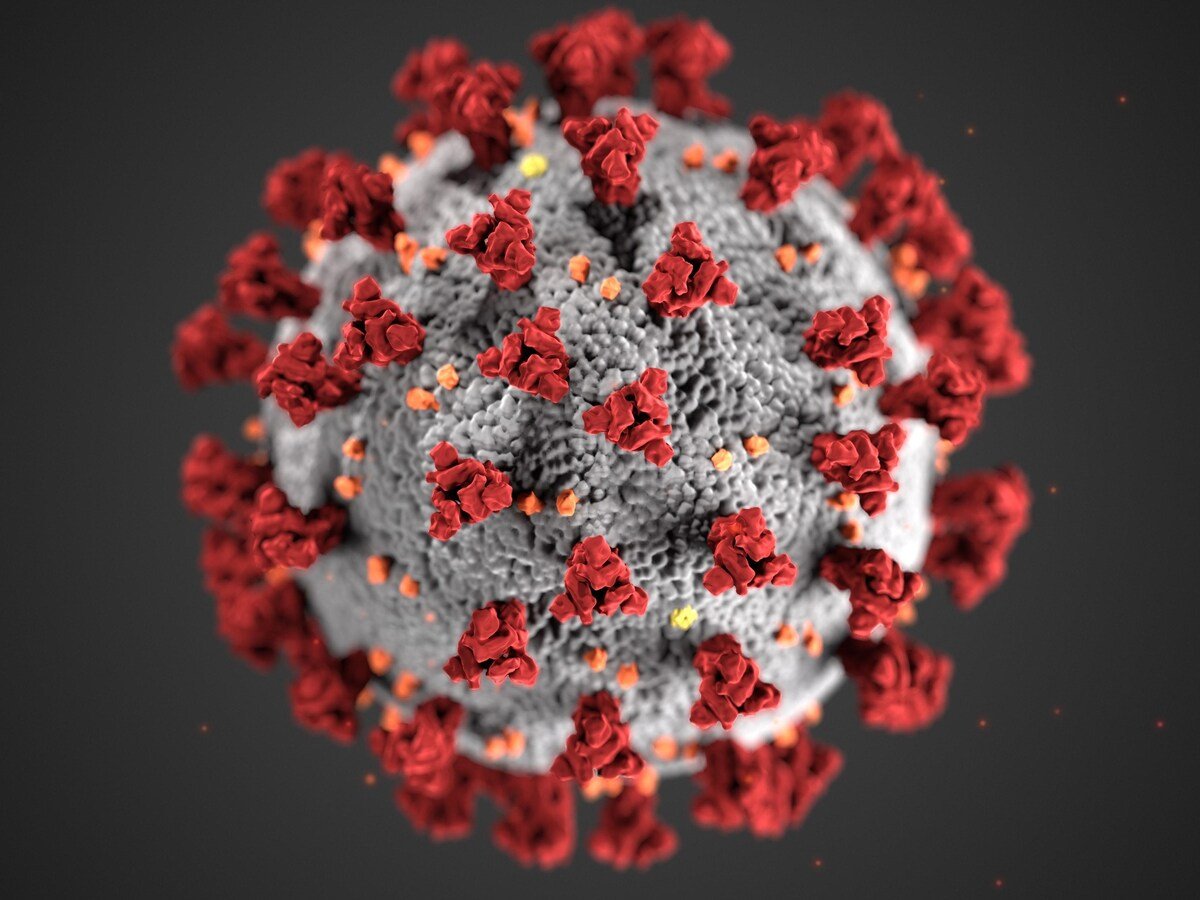
The World Health Organization (WHO) has identified a new list of pathogens that could potentially cause the next global pandemic. This list has grown to include more than 30 different pathogens.
Selection Criteria
“The priority pathogens, published in a report on 30 July, were selected for their potential to cause a global public-health emergency in people, such as a pandemic. This was on the basis of evidence showing that the pathogens were highly transmissible and virulent, and that there was limited access to vaccines and treatments.”
Previously, in 2017 and 2018, the WHO identified about a dozen priority pathogens. However, the new list is much more comprehensive.
Evaluation Process
More than 200 scientists worked for two years to evaluate evidence on 1,652 pathogen species, mostly viruses, and some bacteria, to decide which ones to include on the list. This extensive research effort highlights the significant threat these pathogens pose to global health.
Pathogens on the New List
The updated list includes well-known viruses like influenza A, dengue, and monkeypox. It also features several strains of influenza A, including subtype H5, which recently caused an outbreak in cattle in the United States. Additionally, five new bacterial strains have been added to the list, responsible for diseases such as cholera, plague, dysentery, diarrhea, and pneumonia.
Nipah virus, which has recently caused cases in India, is also on the list.
Priority Pathogens in South-East Asia
In the South-East Asia region, the priority pathogens include:
– Vibrio cholera 0139
– Shigella dysenteriae serotype 1
– Henipavirus nipahense
– Bandavirus dabieense
– Orthoflavivirus denguei and zikaense
– Alphavirus chikungunya
The prototype pathogen Orthohepadnavirus hominoidei genotype C is most common in this region.
Prototype Pathogens
The WHO has also released a list of prototype pathogens. These pathogens can act as model species for basic science studies and the development of therapies and vaccines.
“It has also released a list of prototype pathogens, ‘which could act as model species for basic- science studies and the development of therapies and vaccines,’ explains the Nature report.”
A New Strategy
By prioritizing research on entire pathogen families instead of just a few individual pathogens, the WHO aims to enhance our ability to respond efficiently to unforeseen variants, emerging pathogens, zoonotic transmissions, and unknown threats such as ‘Pathogen X.’
The WHO states: “By prioritizing research on entire pathogen Families as opposed to a handful of individual pathogens, this strategy bolsters the capability to respond efficiently to unforeseen variants, emerging pathogens, zoonotic transmissions, and unknown threats such as ‘Pathogen X.’ Pathogen X is a term used to denote an unidentified or unspecified pathogen, with the potential to induce a public health emergency of international concern or pandemics in the future.”
This comprehensive approach is crucial in preparing for and potentially preventing future pandemics.
















Leave a comment