

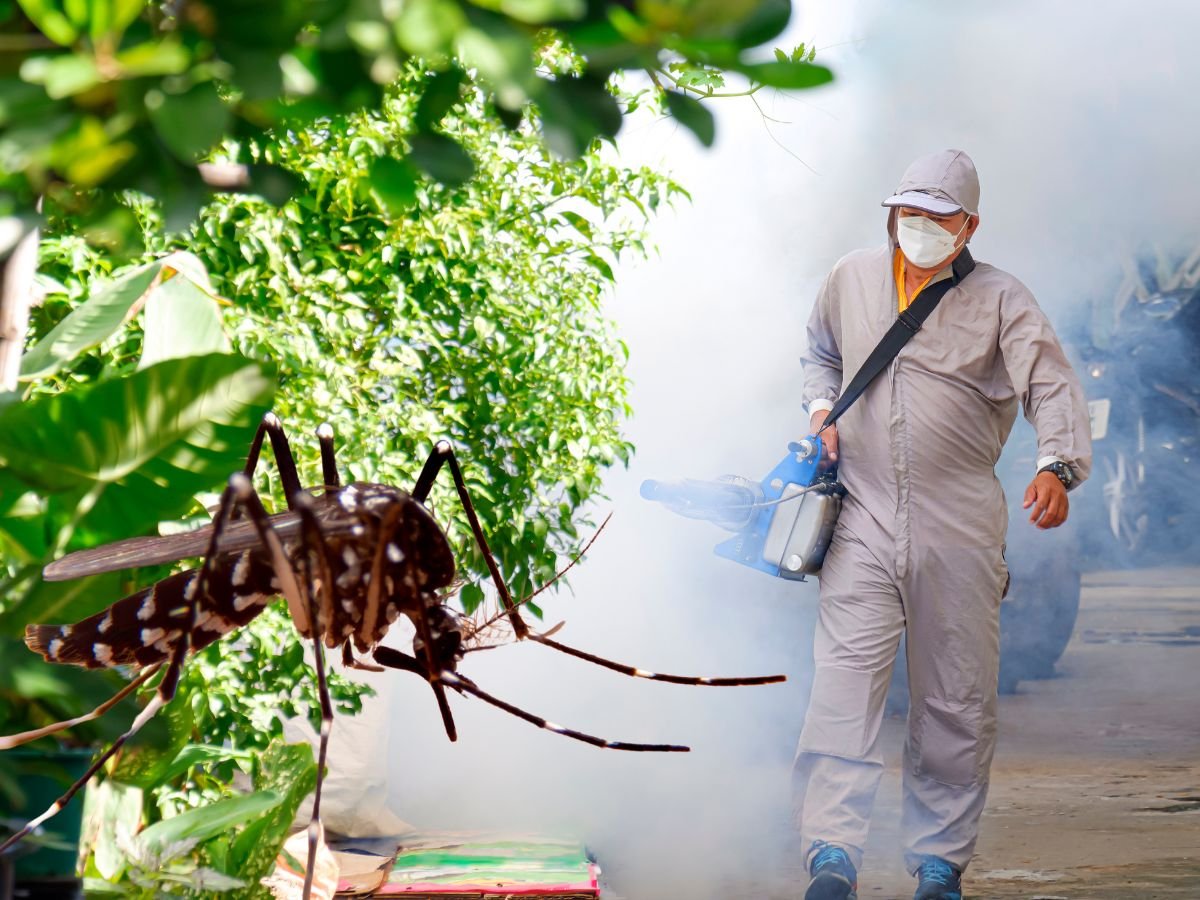
New Delhi, 11 July 2025: The World Health Organization has issued fresh clinical guidelines aimed at improving the diagnosis, management, and treatment of arboviral diseases, including dengue, chikungunya, Zika virus, yellow fever, and others. These diseases, transmitted primarily by mosquitoes, continue to pose a serious threat in tropical and sub-tropical regions — particularly in densely populated countries like India, where climate change, urbanisation, and poor sanitation contribute to the rapid spread of these viruses. The newly released guidelines are designed to equip healthcare providers with a uniform, evidence-based approach to identifying and managing these illnesses, many of which share overlapping symptoms but require different care protocols.
Timely Clinical Intervention Key to Reducing Fatalities
The WHO guidelines emphasise the importance of early clinical assessment, supportive care, and close monitoring of patients infected with arboviruses. One of the primary objectives is to reduce complications and mortality, especially in dengue cases, where sudden deterioration can occur without timely fluid management and hospital care. The guidelines detail warning signs that should prompt immediate medical attention, including persistent vomiting, abdominal pain, rapid pulse, and signs of internal bleeding. They also provide updated recommendations on when to hospitalise patients and how to manage co-infections, particularly in regions where dengue and chikungunya outbreaks occur simultaneously.
Special Focus on Pregnant Women and Infants
For viruses like Zika, which can cause birth defects such as microcephaly, the guidelines stress the importance of special care and screening for pregnant women. Neonates and infants are identified as vulnerable groups requiring early diagnosis and tailored clinical support. The WHO also urges the integration of arboviral disease surveillance with maternal and child health services to ensure that high-risk populations are not overlooked during outbreaks. Pregnant women exposed to the Zika virus are recommended to undergo routine monitoring and detailed foetal assessments to detect any complications early.
Combatting Misdiagnosis and Promoting Laboratory Testing
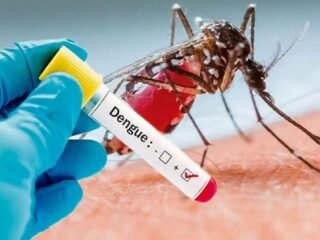
Given that arboviral diseases often present with similar symptoms — such as fever, rash, joint pain, headache, and nausea — misdiagnosis remains a common challenge in both urban and rural healthcare systems. The new guidelines call for expanded access to laboratory testing, especially PCR-based and serological tests, to confirm specific viral infections and rule out other conditions like malaria or bacterial infections. In resource-limited settings, the WHO encourages clinical diagnosis based on symptom pattern recognition, patient history, and local disease trends, while still aiming to improve diagnostic infrastructure in the long term.
Training Frontline Workers and Integrating Outbreak Response
To support the implementation of these guidelines, the WHO is working with national health systems to train frontline healthcare workers, emergency physicians, and primary care providers. The goal is to strengthen early detection, triage, and response during outbreaks. The guidelines also recommend setting up rapid response protocols, isolation measures for suspected cases, and real-time data collection to monitor outbreak patterns. Public health preparedness, including vector control strategies and community awareness, is highlighted as a critical part of overall disease management.
Preventing Mosquito-Borne Diseases: What To Keep In Mind?
With arboviral diseases continuing to emerge and re-emerge in various parts of the world, the WHO’s updated clinical guidelines are a timely reminder for governments and health systems to prioritise infectious disease management. In countries like India, where dengue and chikungunya are seasonal threats, and where Zika has made sporadic appearances, the implementation of these protocols can significantly reduce disease burden and fatalities. The WHO urges nations to strengthen primary healthcare, enhance lab capacity, and ensure that frontline workers are empowered with the latest knowledge and tools to manage arboviral diseases with efficiency and compassion.














Leave a comment