

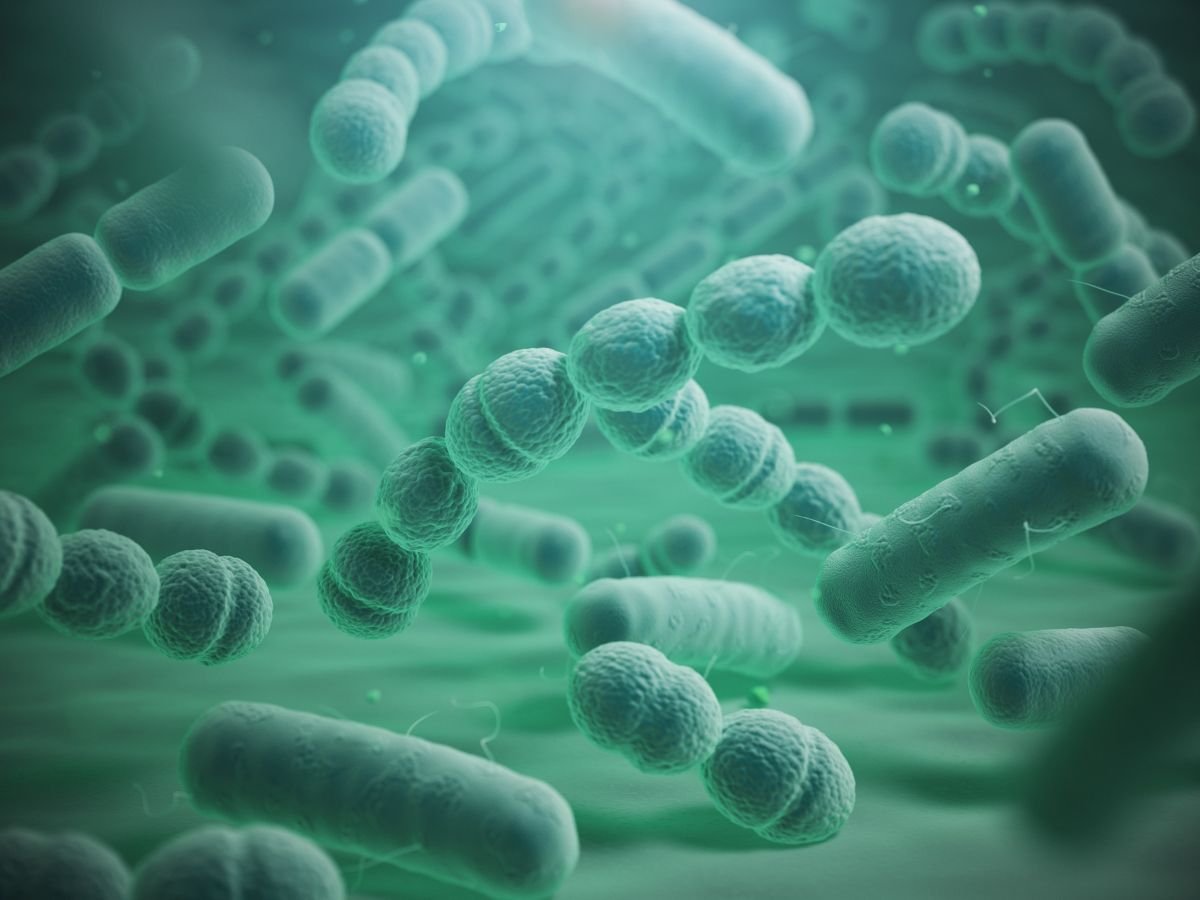
The World Health Organization (WHO) has issued an urgent warning about the recent increase in dangerous strains of Klebsiella pneumoniae, often referred to as K. pneumoniae. This warning aims to raise awareness about the growing threat and the need for immediate action.
Understanding K. Pneumoniae
Klebsiella pneumoniae is a bacterium that can cause infections such as pneumonia, blood infections, urinary tract infections, and wound infections. While some types are harmless and exist in the human gut, others have evolved to become highly dangerous and resistant to drugs, presenting serious healthcare challenges.
The Rise of Dangerous Strains
These dangerous strains of K. pneumoniae can cause severe and often life-threatening infections. They are more capable of avoiding the immune system and are therefore more harmful. The increase in these strains has been linked to factors like excessive antibiotic use, healthcare environments, and specific patient groups.
The Threat of Drug Resistance
Some strains of K. pneumoniae have also become resistant to numerous antibiotics, making them ‘superbugs.’ This resistance complicates treatment, as standard antibiotics may not work. Overuse and misuse of antibiotics in healthcare and agriculture contribute to this growing problem.
Drug-Resistant K. Pneumoniae: Global Impact and Concerns
The global spread of these dangerous, drug-resistant strains is a serious concern for public health officials. They can cause outbreaks in hospitals and other health facilities, leading to severe infections with limited treatment options. The WHO’s warning highlights the need for better tracking, infection control, and research to fight these pathogens.
Drug-Resistant K. Pneumoniae: Prevention and Control Strategies
To prevent the spread of these dangerous strains, healthcare facilities must focus on infection control measures such as proper hand hygiene, environmental cleanliness, and careful use of antibiotics. Better surveillance systems are needed to detect and address these strains quickly.
Educating healthcare providers, patients, and the public is key in fighting these dangerous bacteria. People need to understand the importance of responsible antibiotic use, getting vaccinated, and following infection prevention measures to help reduce infections and stop the spread.
The WHO’s warning about the increase in dangerous and drug-resistant K. pneumoniae is a clear reminder of the changing landscape of infectious diseases. By understanding these strains, improving prevention and control efforts, and raising public awareness, we can work to lessen their impact on global health.












Leave a comment