


Kerala health officials have confirmed cases of West Nile fever in three districts: Kozhikode, Thrissur, and Malappuram. Five cases have been reported in Kozhikode alone. The people who showed symptoms of the disease, including children, had their test samples sent to the National Institute of Virology, Pune. They have all recovered and are now back home.
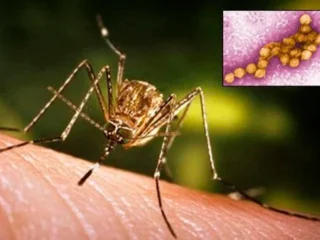
West Nile fever is caused by a virus called the West Nile virus (WNV), which is mainly spread through mosquito bites. The virus usually infects birds, which mosquitoes then bite and become carriers of the virus. It’s important to note that the virus does not spread from person to person.
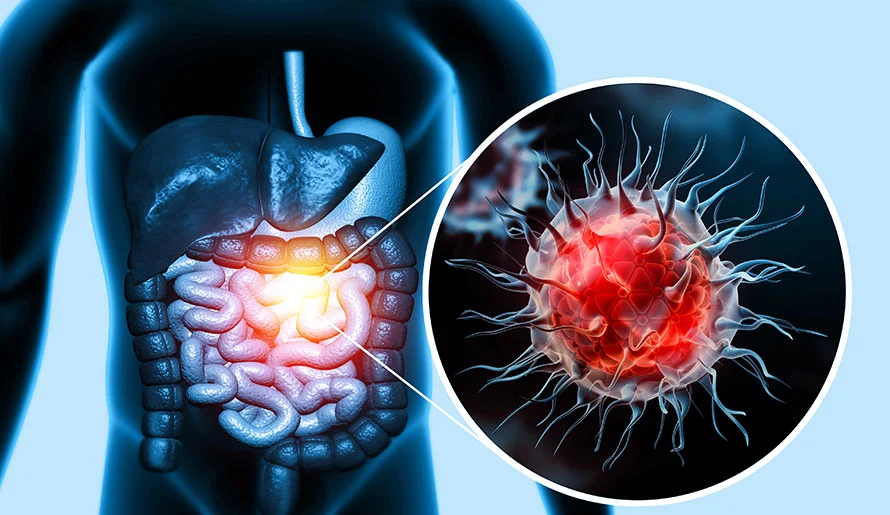
According to the Kerala state health department, the West Nile virus can cause a serious illness that affects the nervous system in humans. However, many people who are infected may not show any symptoms at all.
This virus is commonly found in various parts of the world including Africa, Europe, the Middle East, North America, and West Asia.
The World Health Organization (WHO) explains that the West Nile Virus (WNV) belongs to a group of viruses called flaviviruses and was first discovered in Uganda in 1937. Kerala reported its first case of West Nile fever back in 2011. Tragically, in 2019, a six-year-old boy from Malappurram passed away because of the disease, and in 2022, a 47-year-old man from Thrissur district also lost his life due to the virus.
SYMPTOMS OF WEST NILE FEVER
Most people who get infected with the West Nile virus don’t show any symptoms. The virus is usually transmitted through mosquito bites. When mosquitoes bite infected birds, they can then pass on the virus to humans they bite.
The symptoms of West Nile fever include:
- Fever
- Headache
- Feeling tired
- Body aches
- Nausea and vomiting
- Sometimes, a rash on the skin
- Swollen lymph glands
In severe cases, which affect the nervous system, symptoms can be more serious and include:
- Severe headache
- High fever
- Stiffness in the neck
- Feeling very drowsy or almost unconscious
- Confusion or disorientation
- Falling into a coma
- Shaking or tremors
- Seizures
- Weakness in muscles
- Paralysis
According to WHO, about 1 out of every 150 people infected with the West Nile virus will develop a severe form of the disease.
Anyone can get seriously ill from the virus, but those over 50 years old and people with weakened immune systems, like transplant patients, are at higher risk.
The symptoms of West Nile fever usually last from 3 to 14 days.
TREATMENT FOR WEST NILE FEVER
Currently, there is no vaccine to prevent West Nile virus infection. Treatment mainly involves supportive care, which means providing medical care to help manage symptoms and aid recovery. This might include:
- Hospitalization for more severe cases
- Giving fluids through a vein (intravenous fluids)
- Help with breathing, if needed
- Preventing other infections
The best way to protect yourself from West Nile virus is to avoid getting bitten by mosquitoes. This means:
- Using insect repellent when outdoors
- Wearing long sleeves and pants, especially during mosquito season
- Making sure there are no standing water sources around your home where mosquitoes can breed
- Using screens on windows and doors to keep mosquitoes out
By taking these precautions, you can lower your risk of getting infected with the West Nile virus. If you notice any symptoms of West Nile fever, especially if they are severe, it’s important to seek medical help right away. Early treatment can help improve outcomes and prevent complications.














Leave a comment