


Vitamin B12 Deficiency is one of the most commonly overlooked nutritional deficiencies worldwide. Also known as cobalamin deficiency, it occurs when the body does not get enough vitamin B12 from diet or cannot properly absorb it. This essential vitamin plays a crucial role in red blood cell production, nerve health, and DNA synthesis.
When vitamin B12 levels drop, the body may begin to show subtle warning signs that often go unnoticed or are mistaken for other health issues. If left untreated, long-term deficiency can lead to serious neurological and blood disorders such as Megaloblastic Anemia and nerve damage.
Here are eight silent symptoms of vitamin B12 deficiency that could affect your brain, nerves, and energy levels.
1. Constant fatigue and weakness
Feeling unusually tired even after adequate rest can be an early sign of vitamin B12 deficiency. This happens because the body struggles to produce enough healthy red blood cells, which are responsible for carrying oxygen throughout the body. Reduced oxygen supply can leave you feeling exhausted and weak.
2. Tingling or numbness in hands and feet
One of the hallmark symptoms of vitamin B12 deficiency is a pins-and-needles sensation in the hands, arms, legs, or feet. Vitamin B12 helps maintain healthy nerve cells, and low levels can damage the protective covering of nerves, leading to numbness or tingling sensations.
3. Memory problems and brain fog
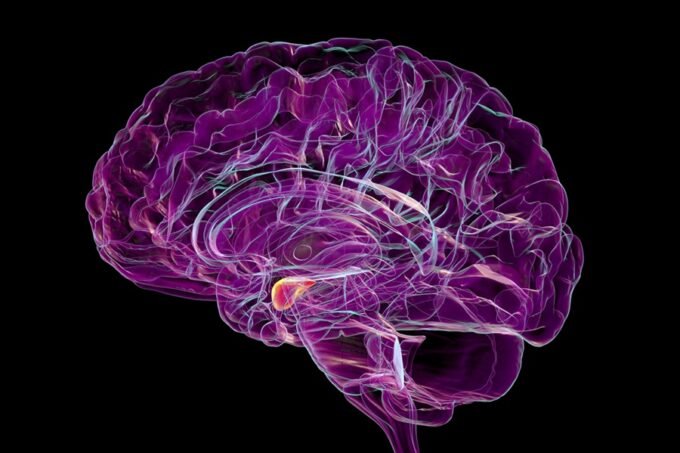
Low vitamin B12 levels can impact cognitive function. People may experience forgetfulness, difficulty concentrating, or mental confusion. Research suggests that prolonged deficiency may increase the risk of neurological conditions and cognitive decline.
4. Mood changes or depression
Vitamin B12 plays a role in the production of brain chemicals that regulate mood. When levels are low, individuals may experience mood swings, irritability, anxiety, or symptoms linked to Depression.
5. Pale or slightly yellowish skin
Vitamin B12 deficiency can cause the skin to appear pale due to reduced red blood cell production. In some cases, people may also develop mild yellowing of the skin due to the breakdown of fragile red blood cells, a condition related to Anemia.
6. Shortness of breath and dizziness
When the body lacks enough healthy red blood cells, oxygen transport becomes less efficient. This may lead to dizziness, lightheadedness, or shortness of breath, especially during physical activity.
7. Glossy or sore tongue
Inflammation of the tongue, known as glossitis, is another possible symptom. The tongue may appear smooth, swollen, or red, and individuals might experience a burning sensation or difficulty swallowing.
8. Balance problems
In severe cases, vitamin B12 deficiency can affect the nervous system and lead to problems with balance and coordination. Some people may feel unsteady while walking or notice changes in their reflexes.
Who is at risk?
Certain groups are more likely to develop vitamin B12 deficiency. This includes vegetarians and vegans, older adults, people with digestive disorders, and individuals taking medications that affect vitamin absorption. Conditions such as Pernicious Anemia can also prevent the body from absorbing vitamin B12 properly.
How to prevent vitamin B12 deficiency
Vitamin B12 is mainly found in animal-based foods such as eggs, dairy products, fish, and meat. People following plant-based diets may need fortified foods or supplements to maintain adequate levels.
Health experts recommend regular blood tests for those at risk and consulting a doctor if symptoms appear. Early detection and treatment can help restore vitamin levels and prevent long-term nerve damage.
Recognising these silent symptoms can help individuals take timely action and protect their brain health, energy levels, and overall well-being.













Leave a comment