Home Latest News Antibiotics and Gut Health: Can These Medicines Raise the Risk of Intestinal Infections?
Latest News

Antibiotics and Gut Health: Can These Medicines Raise the Risk of Intestinal Infections?

Share
Pills
Pills
Share

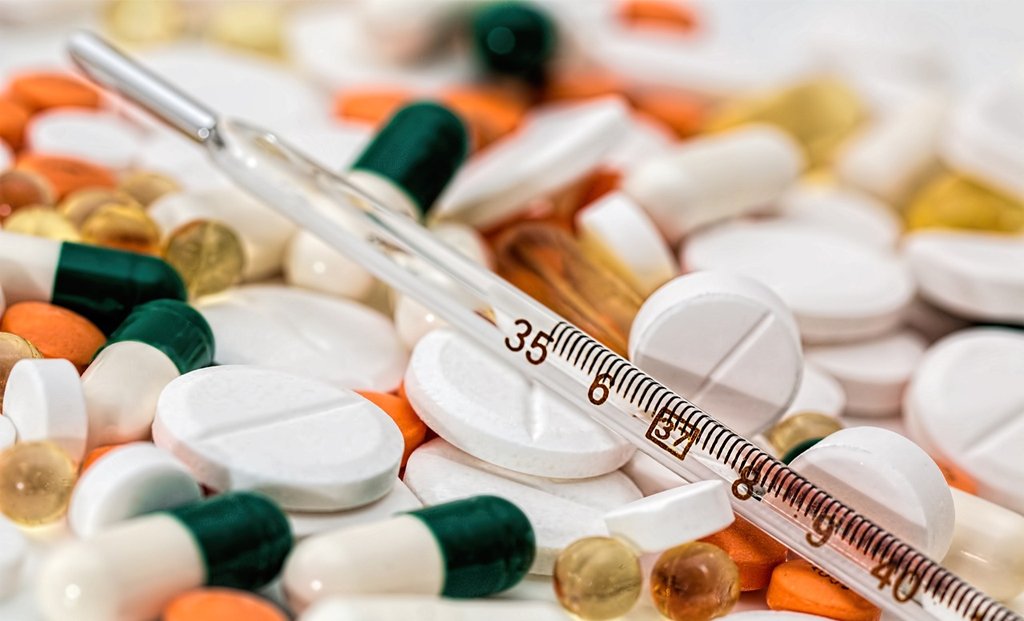
Nowadays, when people experience minor illnesses such as throat infection, fever, or cold and cough, many of them immediately start taking antibiotics. However, it is important to understand that antibiotics are not always safe, especially when taken without a doctor’s advice. Antibiotics are designed to kill harmful bacteria in the body, but they can also affect the beneficial bacteria present in our intestines.

Our intestines contain millions of good bacteria that help maintain proper digestion, absorb nutrients, and support the body’s immune system. When antibiotics disturb these good bacteria, the natural balance of the gut can get disrupted. As a result, harmful bacteria may grow more easily, increasing the risk of intestinal infections.

In some cases, people may experience symptoms such as diarrhea, stomach pain, gas, vomiting, or abdominal cramps after taking antibiotics. This condition is commonly known as antibiotic-associated diarrhea. In more serious situations, a specific bacterium called Clostridium difficile may grow excessively in the intestine, causing inflammation and severe infection. Although this does not happen to everyone, the risk can increase if antibiotics are taken frequently or for a long duration.

That is why doctors always recommend using antibiotics carefully and only when prescribed by a healthcare professional. Taking the correct dose for the recommended duration can reduce the chances of side effects. Additionally, drinking plenty of water, eating light and nutritious meals, and in some cases taking probiotics can help maintain healthy gut bacteria during antibiotic treatment.

If a person experiences persistent diarrhea, severe abdominal pain, fever, or weakness after taking antibiotics, these symptoms should not be ignored. Consulting a doctor promptly is important so that proper diagnosis and treatment can be provided. Early medical care can help prevent intestinal infections from becoming more serious.

Key points to remember:

Do not take antibiotics without medical advice: Antibiotics are not always needed, especially for viral infections. Improper use can harm the body and disturb gut health.

Maintain a healthy diet for better digestion: Foods like yogurt, buttermilk, fiber-rich meals, and adequate water intake help maintain the balance of good bacteria in the intestines.

Consult a doctor if symptoms appear: Persistent diarrhea, stomach pain, or weakness after antibiotics may indicate a gut-related problem that needs medical attention.


Share
Written by
Swapna Karmakar

Swapna Karmakar is an experienced Health Journalist and the Editorial Lead at Healthwire Media. She has a background in investigative reporting and a deep interest in community health and regulatory updates within the medical sector. Swapna focuses on bridging the gap between healthcare providers and patients by crafting narratives that simplify medical terminology without losing clinical depth. Her research process involves analyzing peer-reviewed journals and official regulatory notifications from bodies like the National Medical Commission (NMC) to provide timely news to both healthcare professionals and the general public. Swapna’s work is characterized by a commitment to transparency and evidence-based reporting. Outside of health reporting, she is an avid traveler and explorer of cultural landscapes. 

Leave a comment

Leave a Reply

Your email address will not be published. Required fields are marked *

Don't Miss

Neuro health
Latest NewsPress Release

The Rising Role of Neuro & Psychiatry Drugs in India’s Evolving Healthcare Landscape

The Indian healthcare system is undergoing a transformation that most individuals do not perceive, and that has had many implications on daily life....

Latest News

Can diabetes and hypertension quietly damage your kidneys? Expert reveals hidden link

Diabetes and hypertension are two of the most common non-communicable diseases in the world and both of them are the leading causes of...

Lifestyle & Wellness

High Uric Acid Doesn’t Always Need Medicines: Doctor Recommends Natural Ways To Control Hyperuricemia

High uric acid is becoming common among adults due to unhealthy eating patterns, stress, and sedentary lifestyles. When individuals observe high levels of...

Health News

Feeling Sick On Train In India? Here’s All About Indian Railways Medical Help, Doctor Charges And Emergency Support

One can have an exciting experience whenever travelling by train in India, but there are times when a passenger can be unwell throughout...

Diabetes Day
Latest News

Diabetic eye disease: Silent threat causing preventable blindness, early signs, risks and how to protect your vision

Diabetes mellitus is more than just a disorder of metabolism now; it stands as the second most frequent cause of preventable blindness in...

Section title

Related Articles
Snacks are small, quick bites of food consumed between regular meals.
Latest News

World Earth Day 2026: India’s Food Waste Problem Is Fueling Malnutrition—Here’s How It Impacts Health

World Earth Day 2026, themed “Our Power, Our Planet,” is a powerful...

Latest News

Heatwave Health Risk: How Dehydration and Extreme Heat Can Damage Your Liver and Kidneys

Rise in temperature during summer months not only makes it uncomfortable but...

Cancer
Latest News

90% of Cancers Are Lifestyle-Linked, Not Genetic: Expert Shares 7 Simple Ways to Reduce Your Risk

Most individuals would agree that cancer is largely genetic, something you are...