

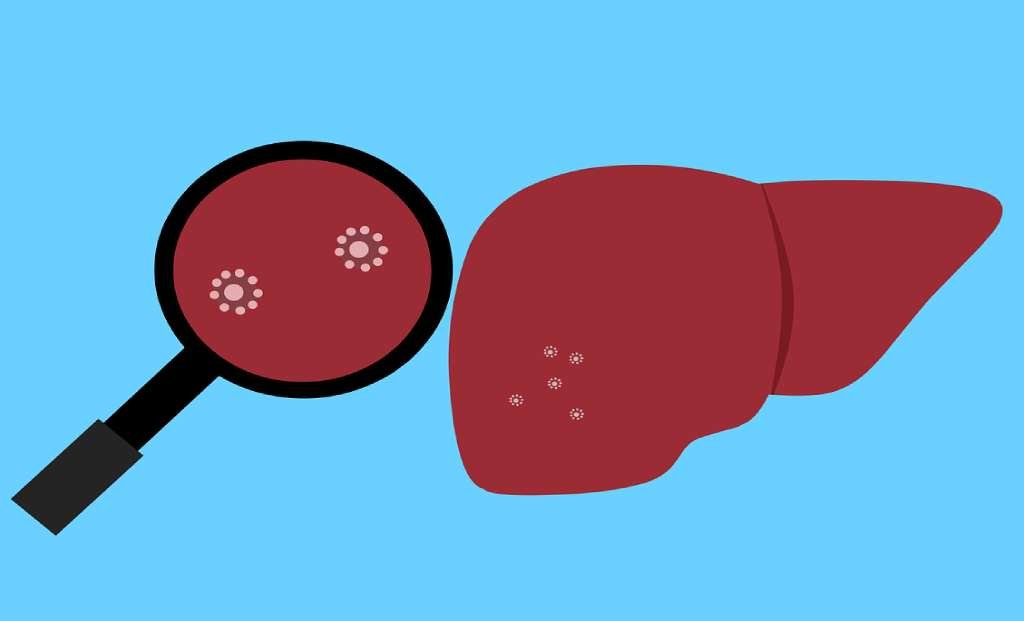
Viral hepatitis is a serious health issue that affects millions of people around the world. This group of infectious diseases primarily targets the liver, leading to inflammation and potentially severe health complications. There are five main types of viral hepatitis: A, B, C, D, and E. Understanding how these infections spread and taking steps to prevent them is crucial for maintaining good health.
Understanding Viral Hepatitis
“Hepatitis A & E are food and water borne infections of Liver, primarily occurring due to intake of contaminated water and food,” explains Dr. Ankur Garg, Director & HOD, HPB Surgery & Liver Transplant, SHALBY Sanar International Hospitals, Gurugram. “Hepatitis A & E very rarely may turn into a case of Liver Transplant. Their typical presentation is acute onset fever, jaundice, and generalised malaise, which usually recovers over 2-3 weeks. Hepatitis E can affect pregnant women leading to liver failure and even termination of pregnancy.”
Hepatitis A and E are generally transmitted through consumption of contaminated food and water. These types of hepatitis are more common in areas with poor sanitation. They usually cause acute liver disease, but most people recover fully without long-term effects. However, as Dr. Garg noted, complications can arise, especially in pregnant women affected by Hepatitis E.
“Hepatitis B & C are transmitted through blood, unsafe sex practices and use of infected needles. Treatment typically includes anti-viral therapy for a duration of 3-4 months. 95% of patients with Hepatitis C can test negative with anti-viral therapy, whereas it is difficult for patients to be free of Hepatitis B virus. Hepatitis B can also be transmitted vertically from an infected mother to the foetus, via perinatal transmission,” says Dr. Garg.
Hepatitis B and C are much more serious because they can lead to chronic liver disease, cirrhosis, and even liver cancer. These viruses are mainly spread through blood and bodily fluids, including during childbirth from mother to baby. While Hepatitis C can often be cured with modern antiviral treatments, Hepatitis B is more persistent and can remain in the body for life.
“Hepatitis D is also blood borne and parasitic in nature; however, this only tests positive in a patient if they have been tested Hepatitis B positive,” Dr. Garg adds. Hepatitis D is unique because it can only infect individuals who are already infected with Hepatitis B, making it a co-infection that exacerbates the severity of liver disease.
Preventing Viral Hepatitis
Preventing hepatitis requires a combination of vaccination, good hygiene practices, and safe behaviors. Dr. Garg recommends several key preventive measures:
Vaccination: “Vaccinations are available for Hepatitis A & B, it is advised for people to get vaccinated.” Vaccines are highly effective in preventing these types of hepatitis. The Hepatitis A vaccine is typically given in two doses, while the Hepatitis B vaccine is given in three or four doses over a six-month period.
Hand Hygiene: “Wash your hands thoroughly with soap and water before having a meal.” Regular hand washing, especially before eating or preparing food, can help prevent the spread of Hepatitis A and E.
Clean Water: “Drink clean water.” Ensure that drinking water is safe and uncontaminated. In areas where water safety is a concern, boil water or use water purification tablets.
Avoid Sharing Needles: “Avoid sharing needles. New and sterile needles should be used.” This is particularly important for preventing Hepatitis B, C, and D, which can be spread through contaminated needles.
Safe Sex Practices: “Safe sex practices” such as using condoms can reduce the risk of Hepatitis B and C, which can be transmitted through sexual contact.
Avoid Contact with Infected Blood and Bodily Fluids: “Avoid direct contact with infected blood and bodily fluids.” This includes using protective barriers like gloves when handling blood or bodily fluids and being cautious in healthcare settings.
By following these preventive measures, individuals can significantly reduce their risk of contracting viral hepatitis and protect their liver health. Public health efforts focused on vaccination, education, and improved sanitation are also crucial in the fight against this global health challenge. Stay informed, take precautions, and get vaccinated to safeguard yourself and your loved ones from viral hepatitis.

















Leave a comment