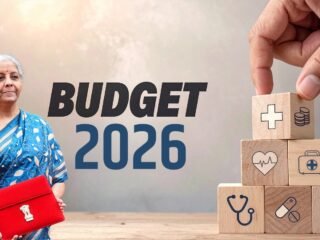
As India prepares for Union Budget 2026–27, the medical community is urging the government to place healthcare higher on the national priority list. Doctors, hospital administrators, and public health experts agree that while healthcare allocations have increased over the years, deeper structural reforms are needed to address rising disease burden, workforce shortages, and growing treatment costs.
From stronger public funding to preventive care and innovation, here’s what doctors want the Finance Minister to prioritise.
Higher Public Health Spending
A key demand from doctors’ bodies is a significant increase in public healthcare spending. India’s public health expenditure as a percentage of GDP remains lower than that of many comparable economies, resulting in heavy out-of-pocket spending for patients.
Doctors argue that higher allocations would strengthen government hospitals, improve primary care services, and reduce dependence on expensive private treatment. Many have called for a long-term roadmap to gradually raise healthcare spending to at least 5% of GDP, shared between the Centre and states.
Making Healthcare More Affordable
Rising medical inflation is a growing concern for both patients and providers. Treatment costs for cancer, cardiac care, and chronic diseases have risen sharply, often exceeding insurance coverage limits.
Doctors want Budget 2026 to ease this burden by rationalising taxes on healthcare services. This includes revisiting GST on hospital rooms, medical devices, diagnostic tests, and health insurance premiums. Lower taxes could directly reduce patient bills and encourage wider insurance coverage.
Strengthening the Healthcare Workforce
India faces a shortage of trained doctors, nurses, and allied health professionals, particularly outside major cities. Medical experts stress that expanding infrastructure alone is not enough without adequate staffing.
Key expectations include increased funding for medical education, better training facilities, and incentives for healthcare professionals to work in underserved regions. Investment in continuous skill development and modern training methods would help build a future-ready workforce.
Expanding Infrastructure Beyond Metro Cities
Doctors strongly advocate for targeted investment in tier-2 and tier-3 cities, where access to advanced healthcare remains limited. Many patients are forced to travel long distances to metropolitan centres for specialised treatment, increasing costs and delays.
Budgetary support in the form of tax incentives, easier financing, and public–private partnerships could encourage hospitals to expand into smaller towns, easing pressure on urban healthcare systems and improving regional equity.
Focus on Preventive Healthcare and NCDs
India is witnessing a sharp rise in non-communicable diseases (NCDs) such as diabetes, heart disease, cancer, and fatty liver disease. Doctors believe Budget 2026 should shift focus from reactive treatment to preventive care.
Proposals include tax benefits for preventive health check-ups, stronger screening programmes, and better integration of lifestyle disease management into primary healthcare. Investing early in prevention could significantly reduce long-term healthcare costs.
Boosting Digital Health and Innovation
Doctors also see technology as a critical enabler of healthcare reform. Greater investment in digital health systems, electronic health records, telemedicine, and AI-driven diagnostics could improve efficiency and access, especially in remote areas.
Support for domestic medical technology manufacturing and health innovation ecosystems is another key demand. Clear regulatory frameworks and financial incentives could help India emerge as a global hub for healthcare innovation.
Building a Resilient Healthcare System
Ahead of Budget 2026, doctors are calling for a holistic, future-focused healthcare strategy rather than incremental changes. Increased funding, affordable care, workforce development, preventive health, and innovation together form the foundation of a resilient system.
For India to meet its growing healthcare needs, the upcoming budget represents a crucial opportunity to invest not just in hospitals and schemes, but in the overall health of the nation.