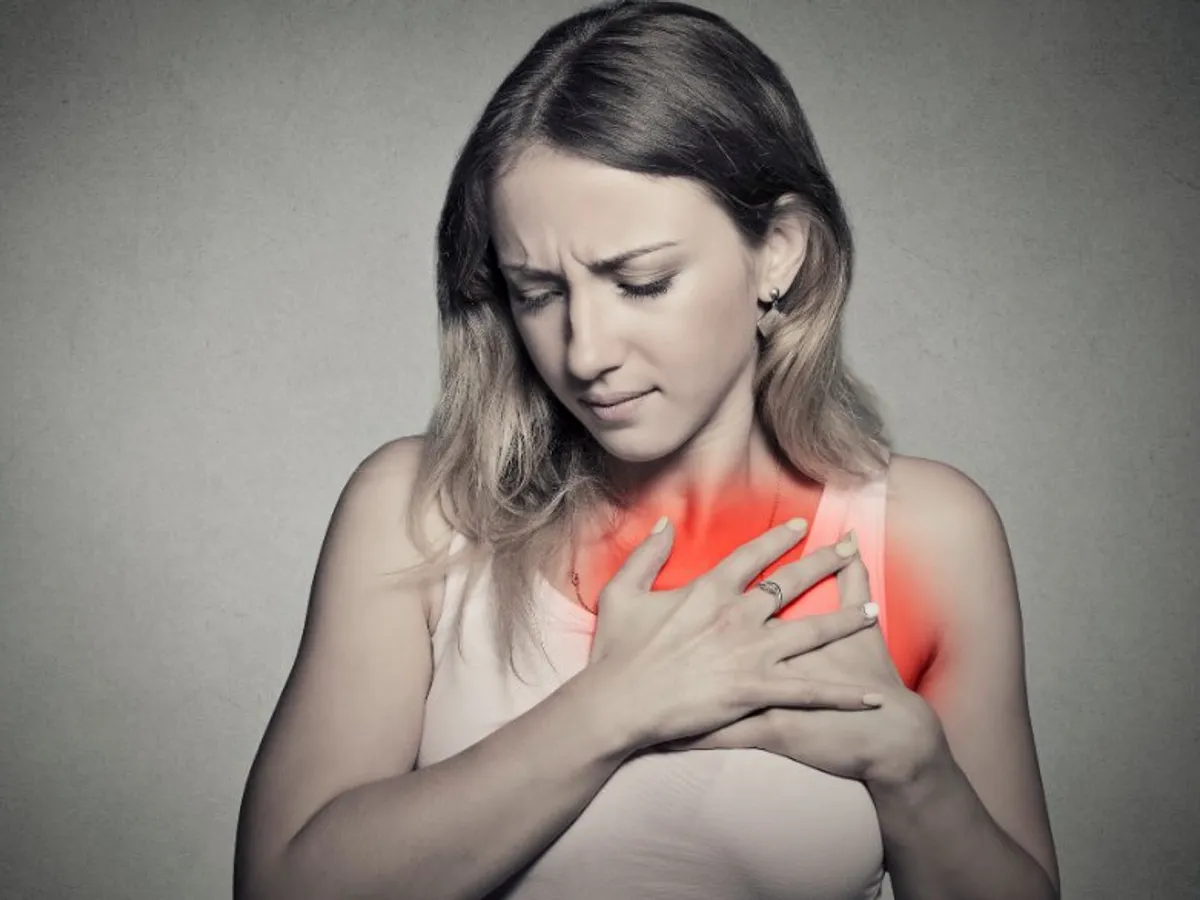
Heart disease remains the leading cause of death globally, yet many adults remain unaware of the subtle warning signs that precede a heart attack, creating what experts call a “silent heart attack epidemic.” Unlike dramatic portrayals in media, heart attacks do not always present with sudden, intense chest pain; instead, they can begin with mild discomfort, fatigue, shortness of breath, nausea, or even unusual indigestion, symptoms that are often dismissed as stress, overwork, or aging.
Studies indicate that a significant proportion of adults, especially those under 50, experience these early warning signs but fail to seek medical attention, increasing the risk of severe complications, permanent heart damage, or sudden death. Risk factors such as high blood pressure, high cholesterol, diabetes, obesity, smoking, and a sedentary lifestyle further exacerbate vulnerability, and when combined with lifestyle stressors, they create a perfect storm for cardiovascular events.
Alarmingly, research shows that women are particularly at risk of misdiagnosis because their symptoms often differ from the stereotypical “crushing chest pain,” with more subtle indicators like fatigue, jaw pain, or lightheadedness, leading to delays in treatment and poorer outcomes.
Early detection is crucial, as timely interventions—ranging from lifestyle modifications to medications and, in some cases, procedures like angioplasty—can significantly reduce the risk of major heart attacks and fatalities.
Public awareness remains low despite decades of campaigns, with many individuals relying on outdated perceptions of what a heart attack “should” feel like, ignoring or normalizing warning signs until irreversible damage occurs. Healthcare professionals stress the importance of routine check-ups, monitoring blood pressure and cholesterol, managing stress, maintaining a balanced diet, engaging in regular physical activity, and recognizing personal risk factors, as these steps can be lifesaving.
Moreover, innovations in wearable technology, home blood pressure monitors, and telemedicine now allow earlier detection of cardiovascular irregularities, giving patients and doctors a chance to act before a catastrophic event occurs. The consequences of ignoring early symptoms are stark: silent or unrecognized heart attacks can lead to chronic heart failure, arrhythmias, and reduced quality of life, in addition to increasing the likelihood of a second, more severe attack.
Governments and health organizations are now urging individuals to take even minor or atypical symptoms seriously and to seek immediate medical evaluation rather than self-diagnosing or waiting for classic signs to appear. In this context, education about the warning signals of heart disease is not merely informative but potentially life-saving, emphasizing that understanding subtle changes in one’s body, knowing family history, and acting promptly are key defenses against the silent heart attack epidemic that continues to claim lives worldwide.