

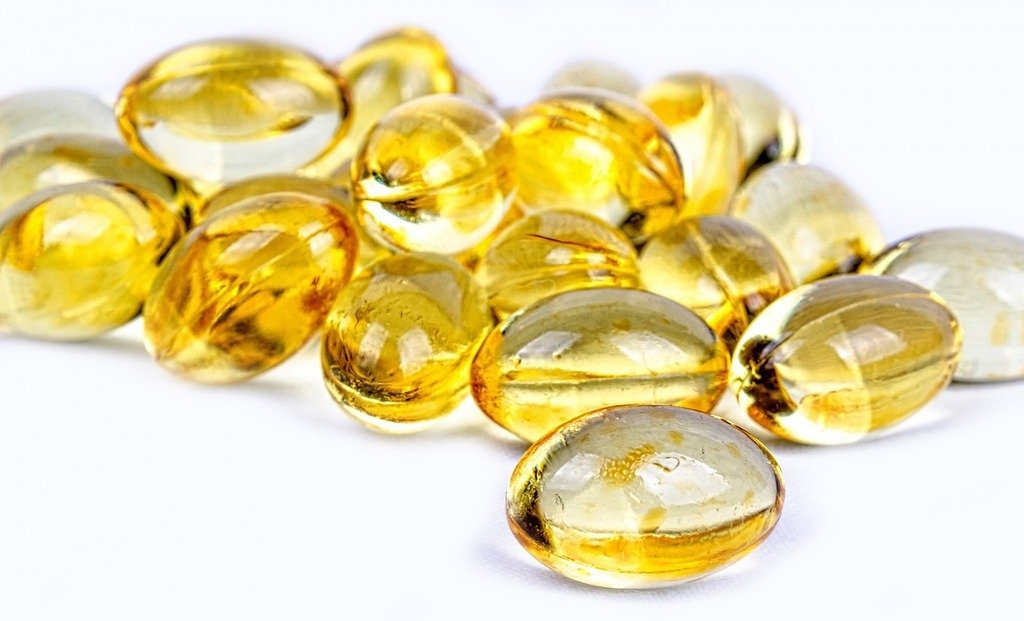
Pregnancy is a miraculous journey that requires special attention to nutrition and health. Prenatal vitamins play a crucial role in supporting the well-being of both mom and baby during this vital period. These supplements are specifically formulated to provide essential nutrients that may be lacking in a pregnant woman’s diet. Let’s explore the benefits of prenatal vitamins for both mother and child.
- Folic Acid for Neural Tube Development: One of the most important components of prenatal vitamins is folic acid, also known as Folate. Adequate intake of folic acid during early pregnancy reduces the risk of neural tube defects such as spina bifida. This B-vitamin is essential for the development of the baby’s brain and spinal cord.
- Iron for Blood Production: Pregnancy increases the body’s demand for iron to support the expansion of blood volume and the development of the placenta and fetus. Iron deficiency during pregnancy can lead to anemia, which may cause fatigue and increase the risk of preterm birth and low birth weight. Prenatal vitamins typically contain iron to ensure that both mom and baby receive an adequate supply.
- Calcium for Bone Health: Calcium is essential for the development of the baby’s bones and teeth. If a pregnant woman’s calcium intake is insufficient, the baby will draw calcium from the mother’s bones, which can increase her risk of osteoporosis later in life. Prenatal vitamins often include calcium to support both maternal and fetal bone health.
- Vitamin D for Calcium Absorption: Vitamin D works in tandem with calcium to promote bone health and immune function. During pregnancy, vitamin D is particularly important for the absorption of calcium and the development of the baby’s skeletal system. Prenatal vitamins may contain vitamin D to ensure optimal levels for both mom and baby.
- Omega-3 Fatty Acids for Brain Development: Omega-3 fatty acids, such as docosahexaenoic acid (DHA), play a critical role in the development of the baby’s brain and eyes. These essential fats are transferred from the mother to the fetus during pregnancy, emphasizing the importance of maternal intake. Some prenatal vitamins include DHA to support fetal neurodevelopment.
- Vitamin B12 for Cell Division: Vitamin B12 is necessary for cell division and the formation of DNA, making it essential for the rapid growth and development that occurs during pregnancy. Adequate intake of vitamin B12 supports the production of red blood cells and helps prevent neural tube defects. Prenatal vitamins often contain vitamin B12 to support maternal and fetal health.
- Iodine for Thyroid Function: Iodine is crucial for thyroid hormone production, which regulates metabolism and supports fetal brain development. Pregnant women require increased iodine intake to ensure optimal thyroid function for both themselves and their babies. Some prenatal vitamins contain iodine to meet this heightened demand.
In conclusion, prenatal vitamins are a valuable tool for supporting maternal and fetal health during pregnancy. These supplements provide essential nutrients such as folic acid, iron, calcium, vitamin D, omega-3 fatty acids, vitamin B12, and iodine, which are vital for the development and well-being of both mom and baby. However, it’s essential to consult with a healthcare provider before starting any new supplement regimen during pregnancy to ensure individualized recommendations and safe usage












Leave a comment