


Identifying the signs of heart disease in pregnant women is crucial for ensuring maternal and fetal well-being. Throughout pregnancy, a woman’s body undergoes significant changes to support the growing fetus, placing additional stress on the cardiovascular system. While some symptoms may overlap with typical pregnancy discomforts, certain warning signs necessitate prompt medical attention.
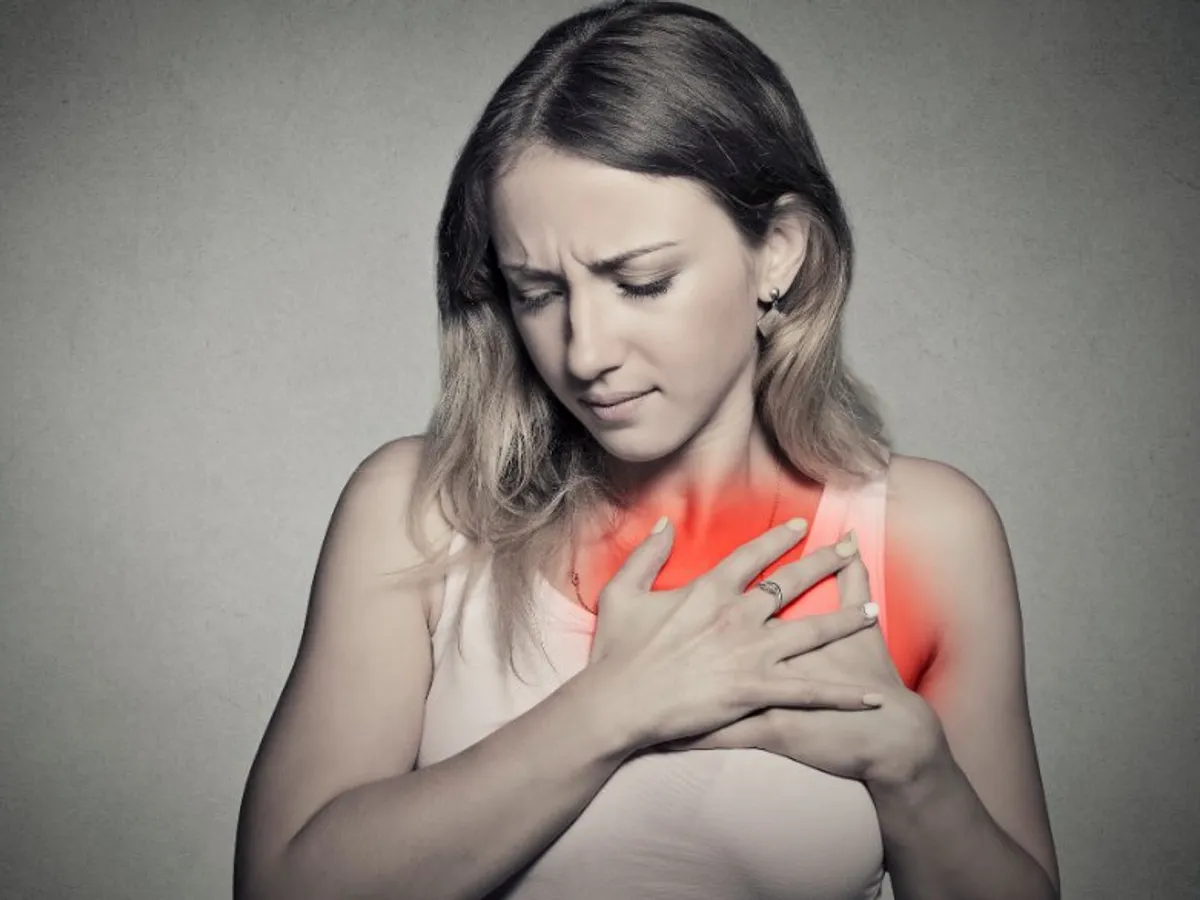
- Chest Pain or Discomfort: Any instance of chest pain, particularly if it’s severe or persistent, should be taken seriously. While chest pain can have various causes, including heartburn or musculoskeletal issues, it could also signal underlying cardiac problems such as myocardial infarction or pulmonary embolism. Pregnant women experiencing chest pain should seek immediate medical evaluation to rule out serious conditions.
- Shortness of Breath: While it’s normal for pregnant women to experience some degree of breathlessness due to hormonal changes and the expanding uterus, sudden or severe shortness of breath could indicate heart failure or pulmonary edema. Any significant change in breathing patterns warrants medical assessment to ensure adequate oxygen supply to both mother and fetus.
- Edema: Swelling in the hands, face, or legs is common during pregnancy, but excessive or sudden swelling could be a sign of preeclampsia, a condition characterized by high blood pressure and protein in the urine. Preeclampsia can exacerbate underlying heart conditions and lead to complications for both mother and baby. Monitoring swelling and blood pressure levels is essential for early detection and management.
- Palpitations: Irregular heartbeats or palpitations may occur more frequently during pregnancy due to hormonal changes and increased blood volume. While occasional palpitations are usually benign, persistent or severe palpitations could indicate arrhythmias or other cardiac abnormalities. Pregnant women experiencing palpitations should consult their healthcare provider for further evaluation.
- Fatigue: Pregnancy commonly causes fatigue, but excessive fatigue that doesn’t improve with rest could be a symptom of heart disease. Heart failure, in particular, can lead to profound fatigue due to inadequate oxygen delivery to the body’s tissues. Pregnant women experiencing persistent fatigue should seek medical assessment to identify and manage underlying cardiac issues.
- Dizziness or Fainting: Episodes of dizziness or fainting should be evaluated promptly, as they may indicate poor circulation or arrhythmias. Pregnant women experiencing frequent dizziness or fainting spells should seek medical attention to determine the underlying cause and prevent potential complications for both mother and baby.
Regular prenatal care is essential for pregnant women, particularly those with pre-existing heart conditions or risk factors for heart disease. This includes following healthcare provider recommendations, attending all scheduled appointments, and monitoring blood pressure and other vital signs closely. Additionally, maintaining a healthy lifestyle with regular exercise, a balanced diet, and adequate rest can help support cardiovascular health during pregnancy.
Recognizing the signs of heart disease in pregnant women is vital for timely intervention and optimal maternal and fetal outcomes. Chest pain, shortness of breath, edema, palpitations, fatigue, dizziness, and fainting should never be ignored and warrant medical evaluation. By staying vigilant and proactive in monitoring cardiovascular health during pregnancy, women can reduce the risk of complications and ensure a healthy pregnancy and childbirth experience.












Leave a comment