

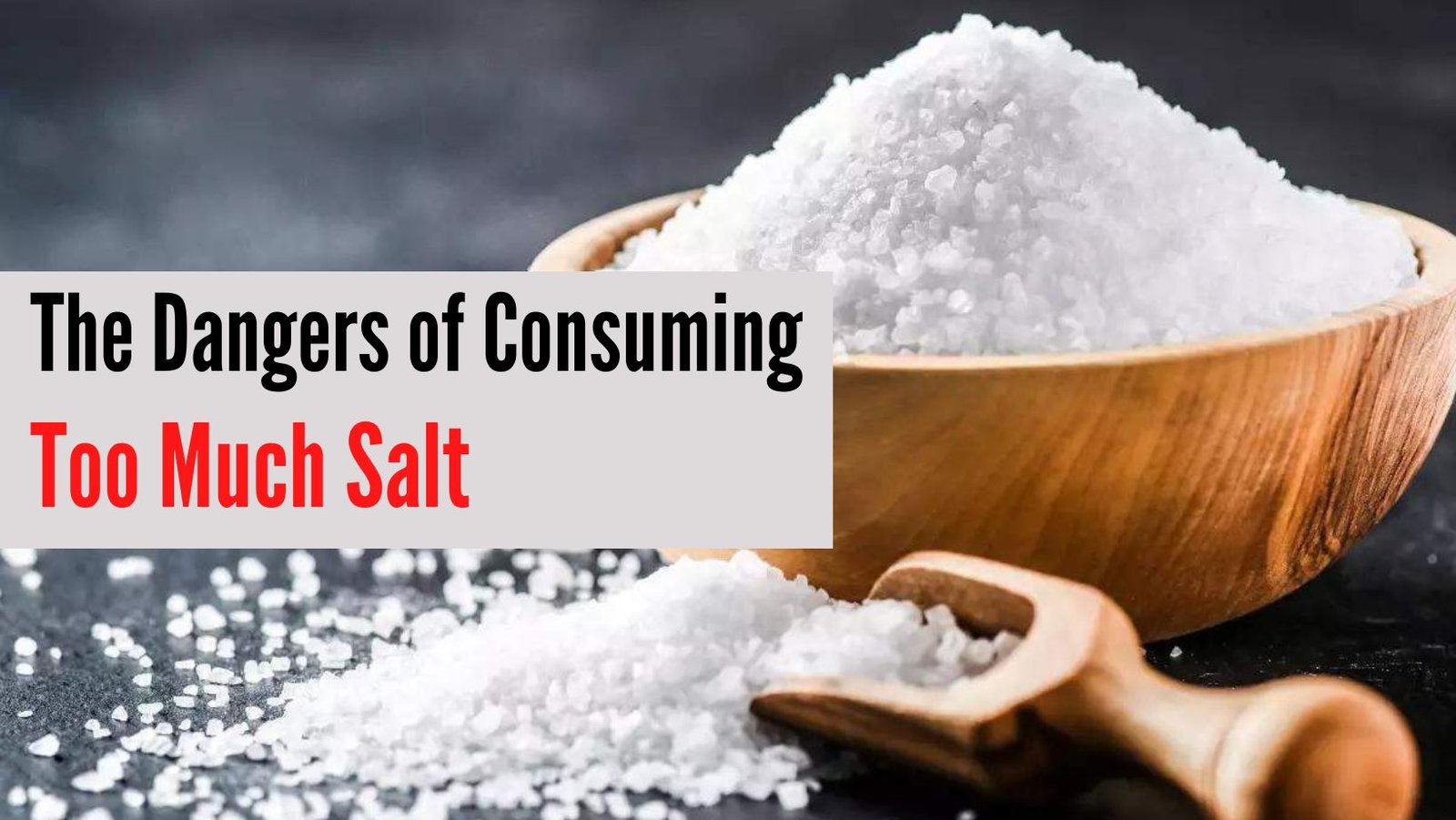
Salt is one of that ingredient that you’ll find it in every kitchen around the world. It gives our meals a flavorful punch, but taking in too much salt can unleash serious health issues. Therefore, it’s important to recognize the red flags that your body gives you when you’ve been overdosing on salt to prevent potential health hazards.
Why it’s Imperative to Keep a Check on Your Salt Intake
Too much salt in our diets can be worrisome because of its detrimental impact on our health. Consumption of high amounts of sodium can lead to health trouble including high blood pressure, heart ailments, stroke, and issues related to kidneys. Keeping tabs on your salt intake is crucial to adopt a healthier lifestyle and nip these health issues in the bud.
Raises Blood Pressure
The first red flag that signals an overconsumption of sodium is increased blood pressure. Too much salt can cause your body to hold on to water, leading to a rise in blood volume and pressure on the walls of your arteries. Gradually, this can lead to hypertension, a primary risk for heart disease and stroke.
Causes Fluid Retention
Excess of salt leads to your body retaining fluids, causing swelling and bloating in various parts of your body. This is particularly visible on hands, feet, and ankles. Fluid retention is discomforting and is an indicator of the disbalance in the body’s sodium levels.
Leads To Persistent Thirst
Increased salt intake can make you feel consistently thirsty as your body tries to dilute the salt by holding on to water. Even if you’re drinking enough liquids, this constant feeling of thirst can signal that your salt intake is above the recommended level.
Troubles with Kidneys
Kidneys play a pivotal role in balancing the body’s sodium levels. Too much salt can put undue pressure on your kidneys, possibly causing kidney damage in the long term. Kidney problems associated with overconsumption of sodium may include diminished kidney function, kidney stones, and a heightened risk of kidney disease.
Increased Risk of Heart Disease
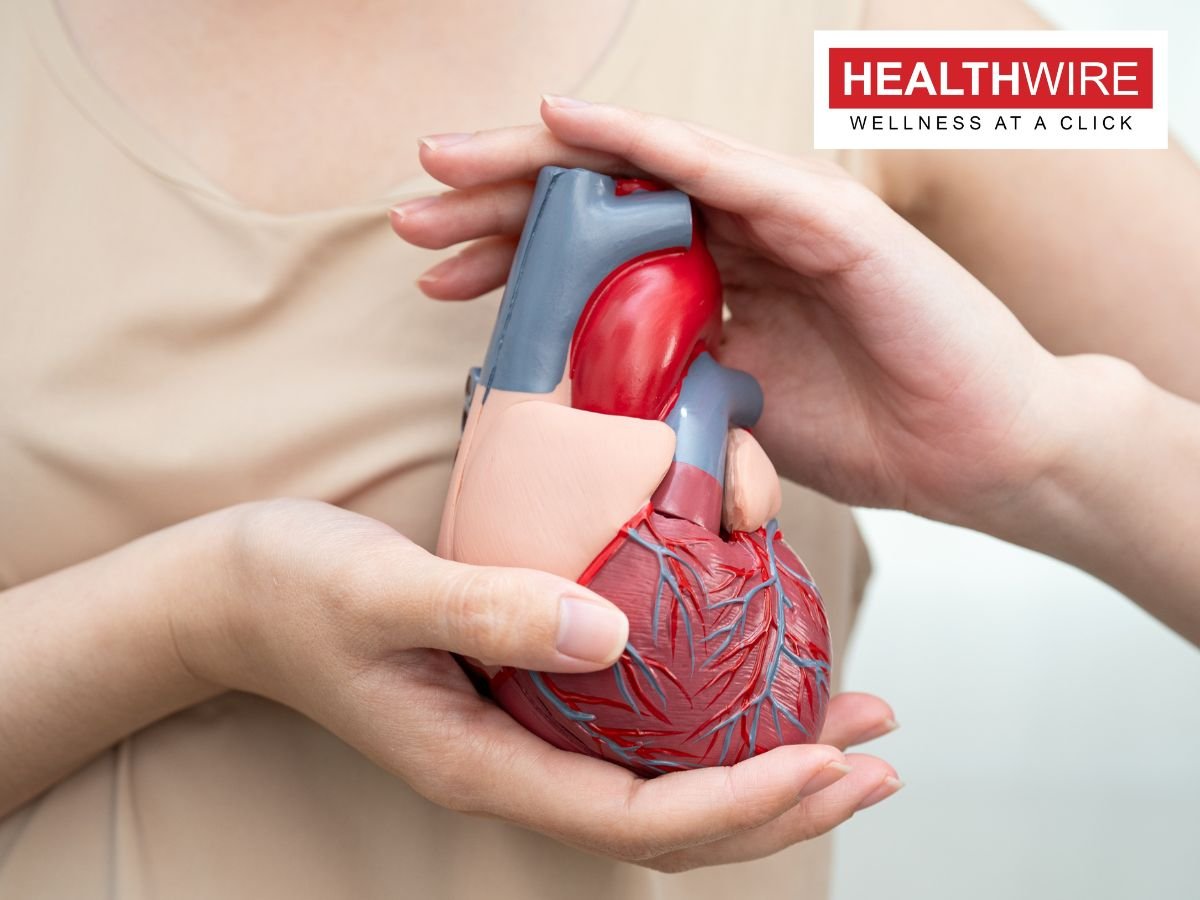
Overconsumption of sodium can heighten the risk of heart disease. The surplus salt in your body can contribute to the buildup of plaque in your arteries, narrowing them and hindering blood flow. This can increase the risk of heart attacks, strokes, and other heart-related complications.














Leave a comment