Respiratory illnesses are increasingly affecting children across India, with pediatricians reporting a noticeable rise in conditions ranging from asthma and bronchitis to pneumonia and viral infections. Experts warn that environmental factors, lifestyle changes, and delayed detection are contributing to this trend, making parental awareness and timely intervention more important than ever. Understanding the causes, early signs, and preventive measures can help protect children’s health and reduce complications.
Why Respiratory Illnesses Are Increasing
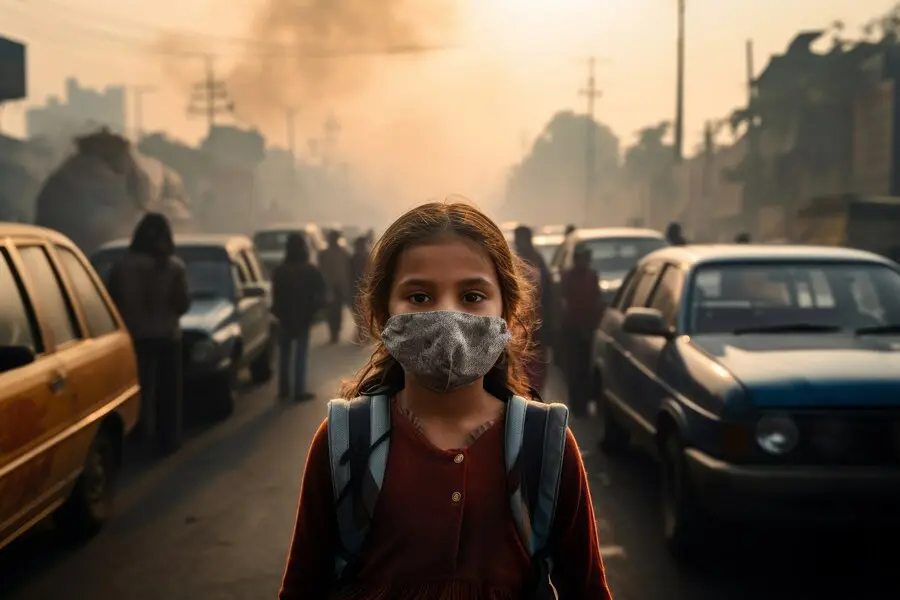
Several factors contribute to the rise of respiratory problems among Indian children. Air pollution, particularly in urban areas, exposes children to harmful particulate matter that irritates the lungs and triggers inflammation. Indoor pollutants such as tobacco smoke, biomass cooking fuels, and poor ventilation further exacerbate the risk. Seasonal viral infections, crowded schools, and frequent exposure to respiratory pathogens make children more vulnerable, while weakened immunity due to poor nutrition can worsen outcomes. Pediatricians emphasize that a combination of environmental and lifestyle factors is driving the increasing incidence of respiratory illness.
Early Warning Signs to Watch For
Parents should be vigilant about subtle symptoms that may indicate a developing respiratory issue. These include:
- Persistent cough lasting more than two weeks
- Wheezing or whistling sounds while breathing
- Shortness of breath during play or mild exertion
- Frequent colds or chest infections
- Fever accompanied by breathing difficulty
- Bluish lips or fingernails, indicating low oxygen levels in severe cases
Even mild or intermittent symptoms should not be ignored, as early recognition and treatment can prevent complications.
Common Respiratory Conditions in Children
Children are prone to a range of respiratory illnesses, including:
- Asthma: Chronic airway inflammation causing wheezing, shortness of breath, and coughing.
- Bronchitis: Infection or inflammation of the bronchial tubes, often following viral infections.
- Pneumonia: Infection of the lungs that can be bacterial, viral, or fungal, requiring prompt medical attention.
- Allergic rhinitis: Seasonal allergies that can trigger sneezing, congestion, and nasal irritation.
- Bronchiolitis: A viral infection affecting infants, causing difficulty in breathing and rapid respiratory rate.
Each condition requires proper diagnosis and management to prevent severe outcomes.
Preventive Measures for Parents
Preventing respiratory illness involves reducing exposure to pollutants, strengthening immunity, and promoting healthy habits. Pediatricians recommend:
- Minimizing exposure to outdoor and indoor pollution, using air purifiers at home if necessary
- Encouraging proper hand hygiene to prevent viral infections
- Vaccination against common respiratory pathogens such as influenza, pneumococcus, and COVID-19
- Balanced diet rich in vitamins and antioxidants to boost immunity
- Regular physical activity to improve lung function and overall health
- Avoiding exposure to tobacco smoke and strong household chemicals
Early intervention and preventive care can significantly reduce the incidence and severity of respiratory illnesses.
When to Seek Medical Attention
Parents should seek prompt medical care if a child exhibits:
- Difficulty breathing or rapid breathing
- Persistent high fever
- Chest retractions or nasal flaring
- Fatigue or lethargy
- Signs of dehydration or bluish lips
Timely medical evaluation ensures proper diagnosis and treatment, preventing complications such as pneumonia or long-term lung damage.
Respiratory illnesses are on the rise among Indian children, driven by environmental, lifestyle, and seasonal factors. Recognizing early warning signs, reducing exposure to pollutants, maintaining vaccinations, and promoting healthy habits are essential steps parents can take to protect their children. By staying vigilant and seeking timely medical care, parents can help ensure better respiratory health, reduce complications, and support the overall growth and well-being of their children.