

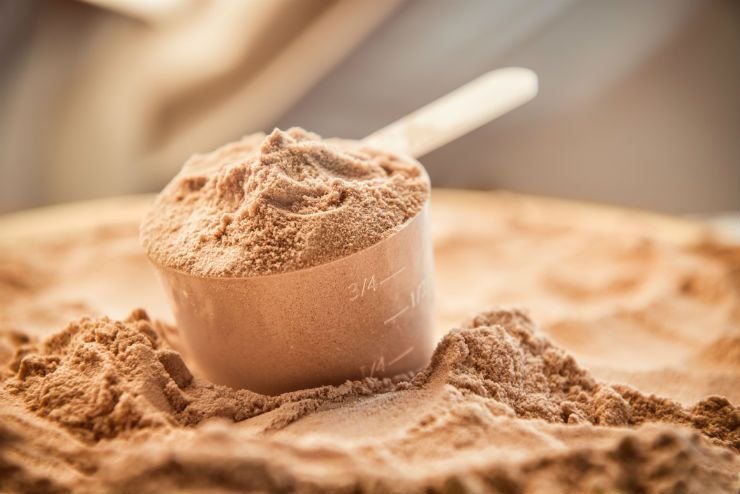
Protein powder side effects: Protein powder is a popular pick among fitness buffs and athletes desiring muscle growth and health improvement. But people who aren’t hitting the gym regularly wonder if consuming protein powder can have undesired side effects. In this piece, we’ll delve into protein powder’s potential impacts and decode the safe level of protein consumption for those not involved in regular workouts.
Dangerous Side Effects of Protein Powder
A product of whey, casein, soy, or pea protein, protein powder is an easy route to upping your protein intake. Even though protein powder is generally harmless for most, binging on it may open doors to a host of side effects.
- High protein powder consumption might upset your digestive system.
- Can cause bloating, gas, or stomach cramps.
- In some instances, protein powder might trigger allergic reactions.
Decoding the Ideal Protein Intake
Not a regular at the gym? It’s vital to calibrate the intake according to your activity level. While the protein RDA sits at 0.8 grams per kilogram of body weight, those not heavily into exercise may need lesser protein in their diet. It’s always wise to seek professional advice from a healthcare provider or a nutritionist to ascertain the right amount catering to your unique needs.
Excessive Protein Consumption: The Downside
Chugging down lots of this nutrient, particularly when your exercise routine is light, could negatively impact your health. Overboard protein consumption might pressurize your kidneys and eventually damage them. High protein diets might enhance the risk of osteoporosis due to escalated calcium excretion because of too much protein intake.
Balancing Macronutrients Sans Exercise
In the absence of regular gym visits, you need to ace the balancing act of all three macronutrients – protein, carbs, and fats. While protein plays a crucial role in muscle repair and growth, carbs are your fuel for daily tasks, and fats manage hormone production and overall health. Keeping a well-balanced diet sans excessive protein can assist in fostering your general wellbeing.
Selecting the Right Sources
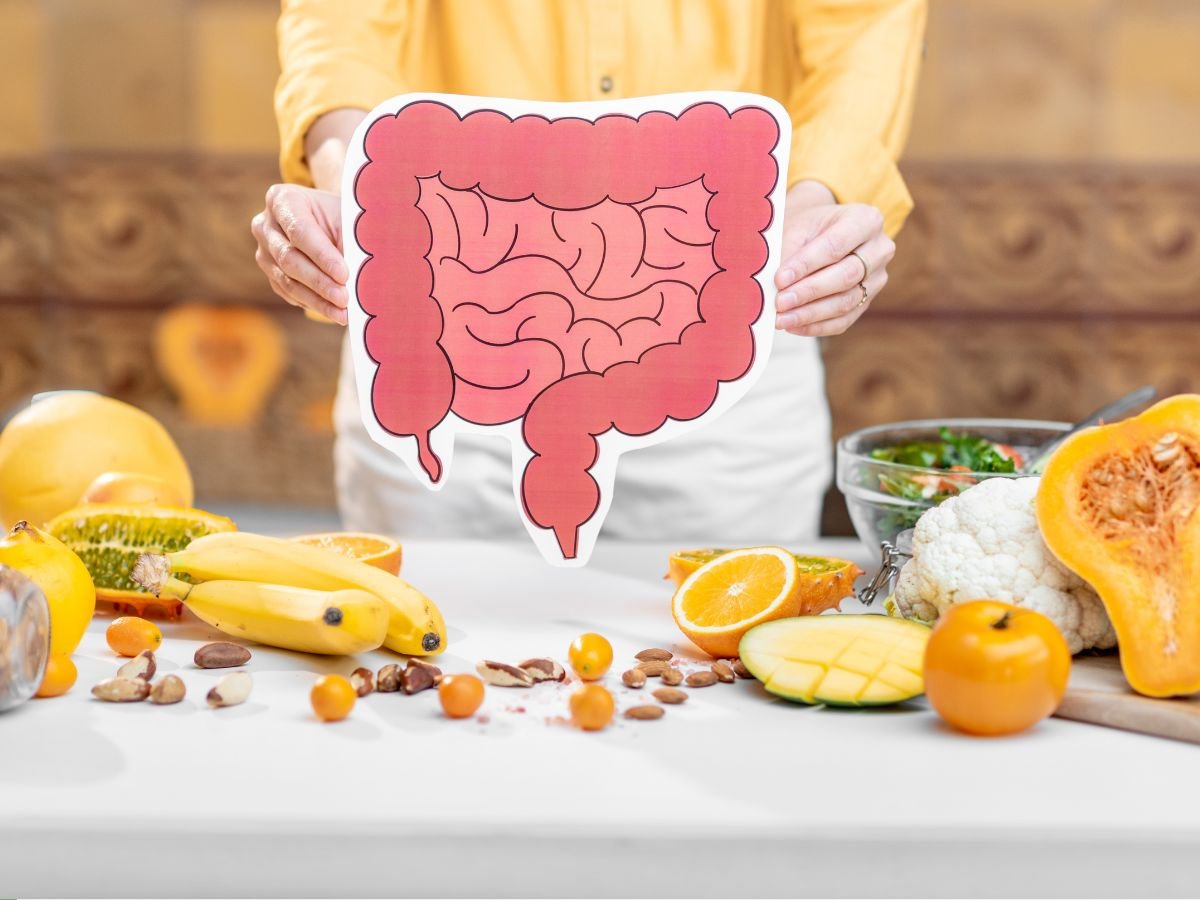
Even when you’re not working out strenuously, you can fulfill your protein needs through natural food sources rather than running only on protein powder. Opt for lean meats, poultry, fish, eggs, legumes, nuts, and dairy – all great protein sources. Incorporating these foods in your meal plans will help you achieve your nutritional goals.















Leave a comment