Home Latest News PCMC Closes Contaminated Water Line That Triggered Cholera Outbreak; 133 Patients With Symptoms Identified
Latest News

PCMC Closes Contaminated Water Line That Triggered Cholera Outbreak; 133 Patients With Symptoms Identified

Share
Share

The Pimpri-Chinchwad Municipal Corporation (PCMC) has identified and closed the contaminated drinking water line that led to the cholera outbreak in Dhawade Wasti area of Bhosari. The PCMC reported its first case of cholera infection in a 19-year-old youth on June 8, and till now, ten patients have been diagnosed with the water-borne disease. Out of these 10 cholera patients, six are admitted to Yashwantrao Chavan Memorial Hospital (YCMH) and four patients are receiving treatment at New Bhosari Hospital.

Dr Laxman Gophane, health officer of PCMC, said the condition of all ten cholera patients is stable and they are under observation.  

“A joint surveillance was conducted by PCMC Health Department and Water supply department in the entire area. During the survey, a contaminated water line was found which has been closed,” he said.  

Following the outbreak, a field hospital has been set up at Dhawade vasti and health teams have started door-to-door surveys to identify the patients. The PCMC health team has visited over 14,000 houses and examined over 39,000 people living in Dhawade vasti. 

Cholera Outbreak: All You Need To Know About The Disease

Cholera is an epidemic that’s caused by Vibrio cholerae, a sneaky bacterium. Mainly, it causes havoc in your small intestine causing severe dehydration and diarrhoea. This bug spreads through contaminated food and water, more so in places with limited sanitation and hygiene.

The early signs of Cholera? You might notice a spectrum of symptoms from mild to severe, but largely, it’s awful cases of diarrhoea and throwing up. In extreme cases, quick dehydration and imbalances in electrolytes might even lead to death if neglected.

The WHO reports about 1.3 to 4 million Cholera cases each year, claiming about 21,000 to 143,000 lives globally. The worst-hit are the vulnerable ones – kids, refugees, and folks living in conflict zones.

How To Prevent The Infection?

Preventing the spread of Cholera calls for a mixture of efforts, including improving water and sanitation hygiene, access to clean drinking water and hand hygiene. Vaccination drives and early identification of the disease also help in controlling it. For those affected, the primary treatment is rehydration therapy and antibiotics for severe cases.

Share

Leave a comment

Leave a Reply

Your email address will not be published. Required fields are marked *

Don't Miss

Bundibugyo Ebola virus
International NewsVirus & DiseaseWHO

From Fever To Organ Failure: How The Bundibugyo Ebola Virus Affects The Body

The Bundibugyo Ebola virus outbreak has raised fresh global health concerns as infections continue to spread across parts of Central and East Africa....

WHO
Health TipsInternational NewsLatest NewsLifestyle & WellnessWHO

WHO Issues First Type 1 Diabetes Guidelines for Adults: 7 Things Patients Need to Know

More than 100 years after the discovery of insulin, millions of people living with type 1 diabetes continue to face challenges in accessing...

Breast Cancer
Health NewsOncology

Mammogram vs Ultrasound vs MRI: Which Breast Cancer Screening Test Is Right for You?

Breast cancer is one of the most common cancers affecting women worldwide, and early detection plays an important role in improving treatment outcomes....

Always Tired? It Could Be Anaemia!
Diet & NutritionHealth NewsHealth TipsLifestyleLifestyle & WellnessWellness

Anaemia in India: Why Iron Deficiency Remains a Concern and 7 Signs You Should Not Ignore

Feeling tired all the time, experiencing frequent dizziness or getting breathless after climbing a few stairs? While these symptoms are often dismissed as...

N95 Mask
Health TipsLatest NewsLifestyle & WellnessWellness

Does Wearing an N95 Mask Protect You From PM2.5 Pollution? Doctors Explain How To Choose And Wear It Correctly

As air pollution continues to affect several Indian cities during winter, wearing a mask has become an important precaution for people stepping outdoors....

Section title

Related Articles
Latest NewsWHO

WHO Releases First-Ever Guidelines For Type 1 Diabetes In Adults: 5 Key Recommendations Explained

The World Health Organization (WHO) has issued its first-ever guidelines for the...

Health NewsLatest NewsLifestyle

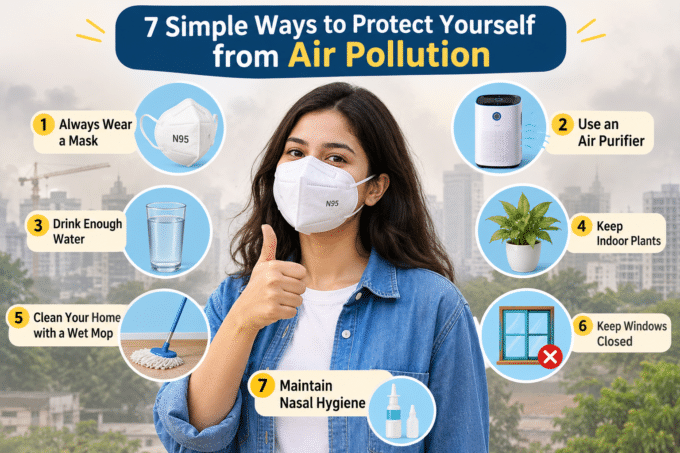
7 Simple Ways to Protect Yourself from Air Pollution

Air pollution has become a major health concern today. Dust from construction...