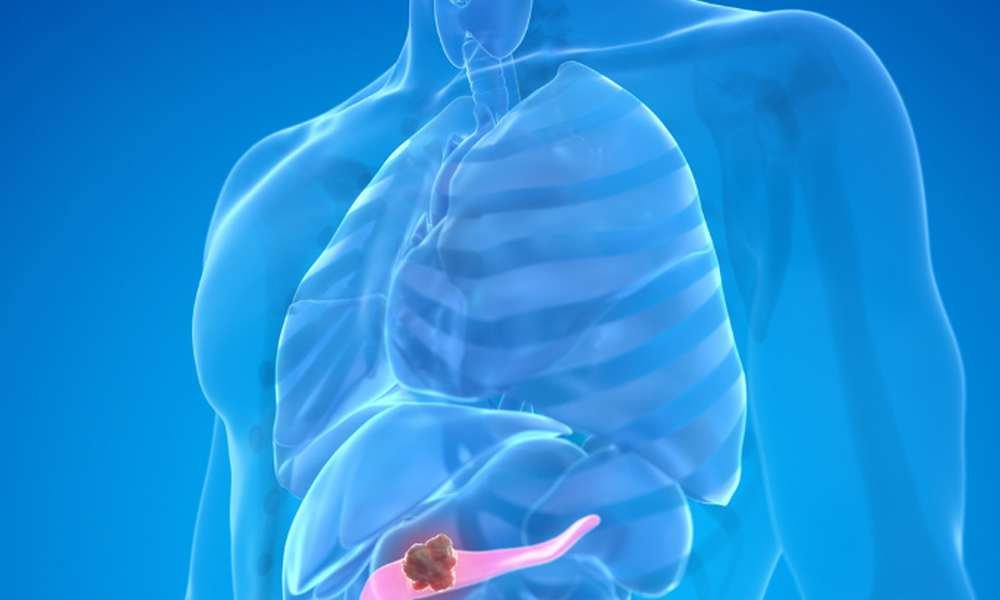
Pancreatic cancer continues to be one of the deadliest malignancies worldwide, largely due to its aggressive biology, high mortality rate and late-stage diagnosis. Recognising the urgent need for region-specific clinical guidance, the Indian Society of Medical and Paediatric Oncology (ISMPO), in collaboration with leading oncology societies across Asia and under the aegis of the European Society of Medical Oncology (ESMO), has developed the Pan-Asian Adapted (PAGA) ESMO Consensus Guidelines for Pancreatic Cancer.
The newly developed guidelines aim to adapt global ESMO recommendations to the Asian healthcare context by factoring in regional variations in disease epidemiology, healthcare infrastructure, access to diagnostics and therapies, and available resources. This Pan-Asian adaptation ensures that pancreatic cancer management remains evidence-based, practical and feasible across diverse clinical settings.
India’s Representation in a Prestigious Global Initiative
Dr. Shyam Aggarwal, Chairperson, Medical Oncology, Sir Ganga Ram Hospital (SGRH), New Delhi, represented India in this landmark international initiative. He actively contributed to the guideline development alongside oncology experts from Thailand, Singapore, Malaysia, Japan, Indonesia, the Philippines, South Korea, China and Taiwan.
Structured, Evidence-Based Guideline Development
The PAGA ESMO Consensus Guidelines were formulated through a structured, questionnaire-based evaluation process, followed by detailed scientific discussions among participating experts. The recommendations provide stage-wise and resource-stratified guidance for pancreatic cancer management, covering early diagnosis, patient selection for surgery and systemic therapy, and evidence-based treatment strategies for resectable, borderline resectable, locally advanced and metastatic disease.
In addition to treatment protocols, the guidelines emphasise structured follow-up, supportive care and palliative care, with a focus on improving patient quality of life throughout the disease continuum.
Designed for Multidisciplinary Oncology Care
The guidelines are intended for a wide spectrum of stakeholders. Including medical and surgical oncologists, gastroenterologists, radiologists, pathologists, multidisciplinary tumour boards and healthcare policymakers. By standardising care pathways, the PAGA ESMO guidelines aim to reduce treatment variability and delays, encourage cost-effective use of diagnostics and therapies, and strengthen multidisciplinary decision-making across Asian healthcare systems.
Expert Perspective
Commenting on the initiative, Dr. Shyam Aggarwal stated that the Pan-Asian Adapted ESMO guidelines represent a significant step forward in harmonising pancreatic cancer treatment protocols across Asia. He highlighted that region-specific, consensus-driven recommendations have the potential to improve clinical outcomes while ensuring equitable access to quality cancer care.
Dr. Aggarwal also expressed gratitude to the Sir Ganga Ram Hospital fraternity and his oncology colleagues for their academic support, which enabled meaningful Indian participation in the global guideline development process.
Strengthening Cancer Care Frameworks in Asia
Published in an international peer-reviewed journal, the Pan-Asian Adapted ESMO Consensus Guidelines for Pancreatic Cancer are expected to serve as a key reference for clinicians and cancer programme leaders across Asia. The guidelines are anticipated to contribute to improved patient outcomes. Stronger national cancer care frameworks and more uniform standards of pancreatic cancer management across the region.