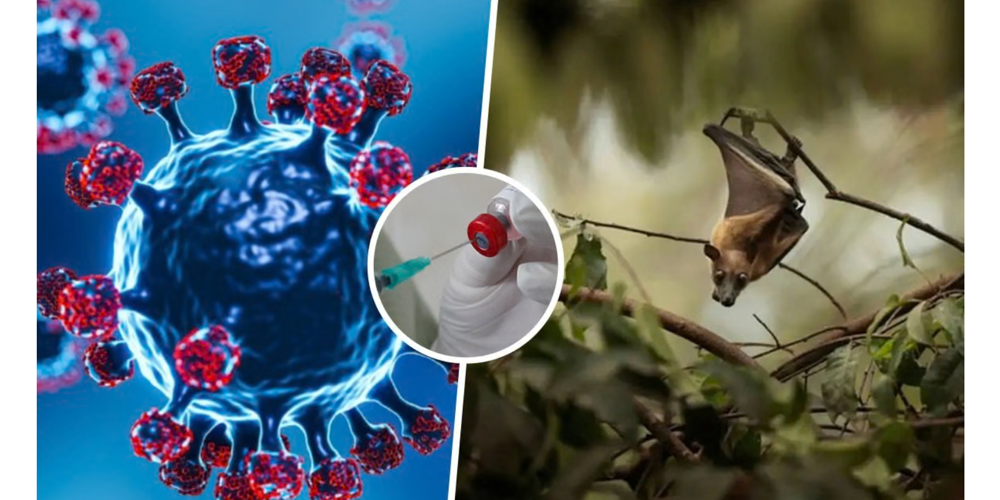
Nipah virus (NiV) is a rare but highly dangerous zoonotic virus that can be transmitted from animals to humans and, in some cases, from person to person. First identified in Malaysia in 1998, Nipah has caused sporadic outbreaks in India, particularly in the states of West Bengal and Kerala. The virus is primarily carried by fruit bats (Pteropus species), which serve as natural reservoirs. Human infection can occur through direct contact with infected bats, their bodily fluids, or contaminated food products such as raw date palm sap, as well as through close contact with infected people, particularly in healthcare settings. While NiV outbreaks are relatively rare, the virus has a high fatality rate ranging from 40% to 75%, making early awareness and preventive action critical.
Symptoms to Watch For
Nipah virus infection often begins with fever, headache, muscle aches, vomiting, and sore throat, and can progress to more severe conditions such as dizziness, drowsiness, confusion, and acute encephalitis (brain inflammation). In some cases, individuals may develop severe respiratory symptoms, including cough, shortness of breath, and atypical pneumonia, which can lead to acute respiratory distress. Neurological complications, seizures, and coma can occur within 24–48 hours in severe cases. Symptoms typically appear 3–14 days after exposure, although rare cases have reported incubation periods of up to 45 days. Early detection is crucial, as supportive medical care can improve survival, even in the absence of a licensed treatment or vaccine.
How Nipah Virus Spreads
The virus spreads primarily through direct contact with infected bats or contaminated materials, such as fruits or sap. Human-to-human transmission occurs through close contact with infected individuals’ bodily fluids, such as saliva, blood, or urine. Healthcare workers and family members caring for patients are at higher risk if proper infection prevention and control (IPC) measures are not followed. Unlike more common viral illnesses, Nipah does not spread easily through casual contact or airborne transmission under normal circumstances, making targeted preventive measures highly effective.
Preventive Measures to Stay Safe
Preventing Nipah virus infection relies on awareness and hygiene. Avoid contact with bats, sick animals, or contaminated fruits, and always boil raw date palm sap before consumption. Wash fruits thoroughly, peel them, and discard any that show bite marks from bats. Maintain strict hand hygiene, especially after handling animals or visiting healthcare facilities. If you are caring for someone suspected of having Nipah, use protective equipment including masks, gloves, gowns, and eye protection, and minimize direct contact with bodily fluids. Isolation of suspected or confirmed cases is critical to prevent the spread within households or healthcare settings.
Community and Healthcare Response
The Indian government, in collaboration with the World Health Organization (WHO), implements comprehensive measures during Nipah outbreaks. This includes contact tracing, surveillance, public awareness campaigns, and enhanced IPC measures in hospitals. Rapid Response Teams (RRTs) are deployed for sample collection and testing, and mobile BSL-3 laboratories help ensure timely diagnosis. Awareness campaigns emphasize safe handling of animals, food hygiene, and the importance of seeking immediate medical care if symptoms develop after potential exposure. Community cooperation and adherence to official guidelines are vital to contain outbreaks effectively.
Treatment and Medical Guidance
Currently, there is no licensed vaccine or antiviral treatment specific to Nipah virus. Management focuses on intensive supportive care, addressing respiratory and neurological complications as they arise. Early hospitalization improves survival rates, making it essential to seek prompt medical attention if Nipah-like symptoms occur following exposure to high-risk environments. WHO continues to monitor research on potential vaccines and therapeutics, highlighting the need for preparedness in both healthcare facilities and communities.
WHO Guidance and Public Health Advice
WHO assesses the risk of Nipah in India as moderate at the sub-national level but low nationally and globally, due to the localized nature of outbreaks and effective containment measures. The organization recommends public health communication, case isolation, laboratory testing, and safe practices around wildlife and fresh food. Importantly, WHO does not recommend travel or trade restrictions, emphasizing that informed preventive behavior is more effective than panic. Awareness campaigns focus on reducing bat-to-human transmission, maintaining hygiene in households and hospitals, and early referral to health facilities.
Key Takeaways: Staying Informed and Vigilant
Nipah virus, though rare, is a serious public health concern with a high fatality rate. Understanding its symptoms, modes of transmission, and preventive measures is crucial for safety. By practicing proper hygiene, avoiding contact with bats or contaminated food, following healthcare guidance, and staying informed through trusted sources like WHO and national health authorities, individuals can significantly reduce their risk. Vigilance, timely medical care, and responsible community practices are key to preventing outbreaks and protecting lives, demonstrating that awareness and preparation are the best defenses against Nipah virus.