A nursing professional who had earlier tested positive for the Nipah virus (NiV) has died following a cardiac arrest at a hospital in Barasat, health authorities in West Bengal confirmed. The woman had reportedly recovered from the active viral infection but was battling multiple health complications in the days before her death.
Officials said the nurse’s condition worsened gradually despite virological recovery, and she suffered cardiac arrest on Thursday afternoon. The health ministry clarified that there was no evidence of active Nipah infection at the time of death, and the immediate cause was cardiac failure linked to post-infection complications.
Nurse Infected With Nipah Virus Dies In West Bengal
The 25-year-old had first developed symptoms in early January after returning home on December 31 for the New Year holidays. Initially admitted to Burdwan Medical College and Hospital, she was later shifted to the private facility in Barasat as her condition worsened.
Her illness followed days after a male colleague exhibited similar symptoms. Following tests on January 11 it was confirmed Nipah infection in both cases. Both nurses slipped into a coma and required ventilator support. While the male nurse gradually recovered and was discharged about a week ago, her condition remained unstable.
“Out of the two Nipah positive cases reported from West Bengal on 11th January, 2026, one of the nurses who was critically ill and was under intensive medical care passed away today due to cardiac arrest in the hospital where she was under treatment,” said officials of the health department.
Recovery does not always mean full healing
Medical experts caution that Nipah virus infection can leave lasting damage to vital organs, particularly the brain, lungs, and cardiovascular system. Even after patients test negative, inflammation triggered by the virus may persist, increasing the risk of delayed complications.
“This case highlights that Nipah is not only dangerous during the acute phase but can also have serious after-effects,” a senior health official said, stressing the need for extended medical monitoring of recovered patients.
Understanding Nipah virus
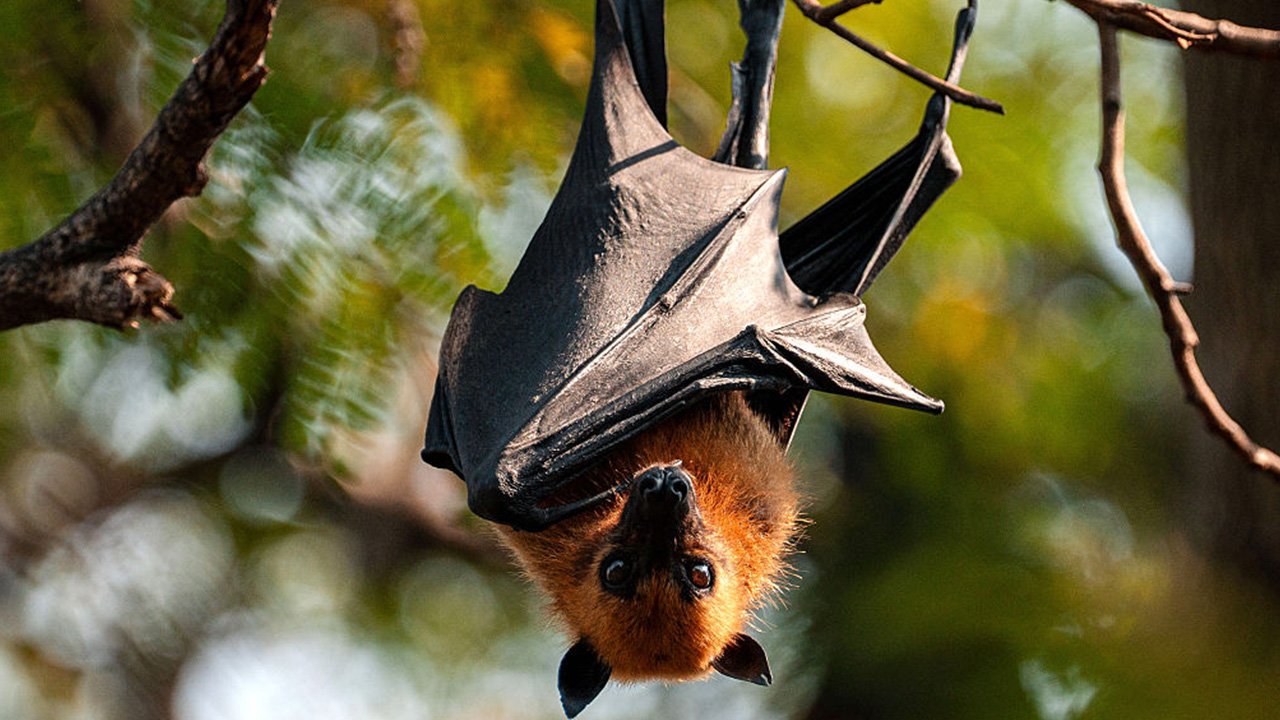
Nipah virus is a zoonotic pathogen that spreads from animals to humans and can also transmit between people through close contact. Fruit bats are the natural reservoirs of the virus. Human infections have been linked to consumption of food contaminated by bats, direct exposure to infected animals, and contact with bodily fluids of infected individuals.
The World Health Organization classifies Nipah virus as a priority disease due to its high mortality rate and outbreak potential. Past outbreaks in India and neighbouring countries have recorded fatality rates ranging from 40% to 75%.
Meanwhile, the World Health Organisation (WHO) has assessed the risk of wider transmission as low. Addressing a media briefing in Geneva, WHO Director-General Tedros Adhanom Ghebreyesus said, “In the past few weeks, three cases of Nipah, two in India and one in Bangladesh, made headlines and caused concern about a wider outbreak.” WHO assessed the risk of spread of the Nipah virus regionally and globally and found it low, he added.