

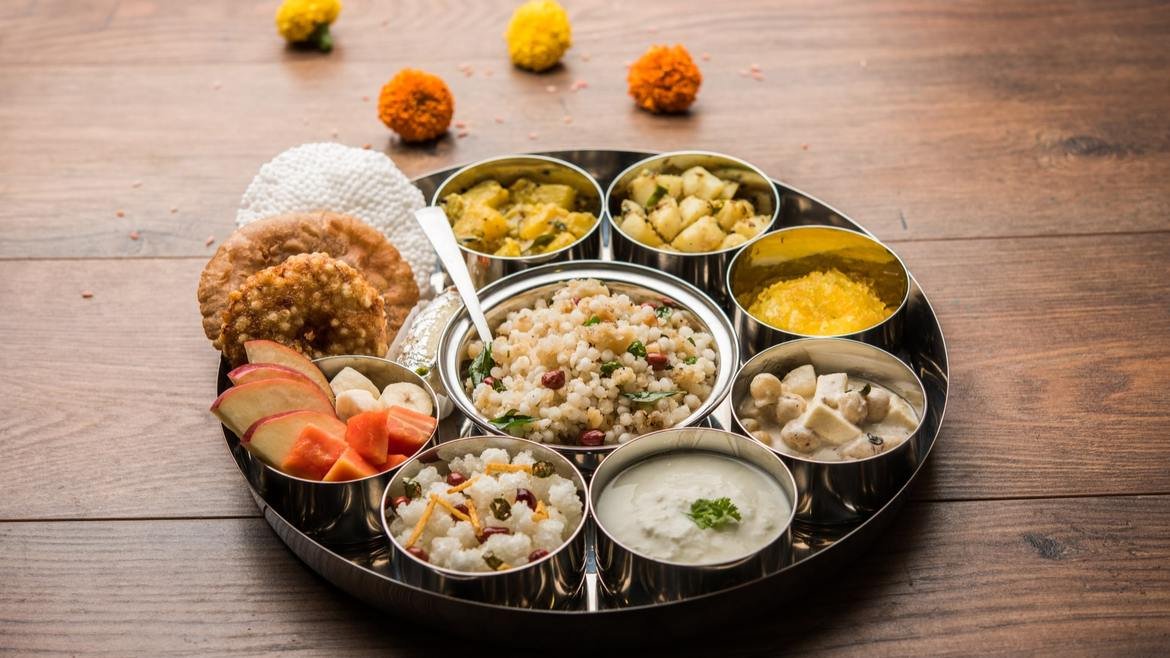
Navratri is a holy festival, which is celebrated by worshipping, being disciplined, and fasting. To working women, it may be difficult to not only balance work and fast. Nevertheless, by means of the appropriate nutrition, fluid intake, and schedule, you can remain active and alert all day long. The following is a full guide to ensure that during the Navratri fasting, you do not lose your energy levels at the expense of health or productivity.
Navratri fasting for working women: stay energised all day
Here’s how you can stay energised all day while fasting
A healthy breakfast before the fast
The trick to remaining energised is your pre-fast meal. Add high-protein food substances like buckwheat kuttu, amaranth rajgira, and sabudana, which are rich in complex carbohydrates too. Combine them with yoghurt, milk or paneer to provide the body with long-lasting energy. The addition of fruits such as bananas or apples gives you natural sugars and fiber which will keep you fuller.
Drink plenty of water during the day
One of the causes of fatigue during fasting is dehydration. Take plenty of water before fasting. You may also add coconut water, butter milk or lemon water no salt in case of strict fasting to keep the electrolytes in balance. No caffeinated beverages should be taken since they cause dehydration and energy crashes.
Choose smart fasting foods
When it comes to Navratri, the emphasis should be put on the foods rich in nutrients instead of fried foods. Although sabudana khichdi and snacks that can be eaten during the fast are ubiquitous, it is best to avoid deep fried foods because this may cause lethargy. However, choose roasted makhana, boiled potatoes with little oil and fruit chaat instead. These alternatives are source of energy but not weighty.
Small, frequent meals
In case your fasting regimen permits more than one meal, break the food into smaller portions. It helps in keeping the blood sugar levels steady and avoiding sudden energy drops. Keep snacks such as nuts, seeds and fruits that are easy to eat in your place of work to get instant energy boosts.
Incorporate protein to keep energy levels on par with one another
Protein is important in ensuring that you stay full and energised. Eat such sources such as paneer, curd, peanuts, and milk in the fasting meal. Protein does not leave a person feeling tired, and it is helpful in keeping the mind alert, which is a necessity for working women with hectic schedules.
Avoid sugar spikes
Although sweets and vrat desserts may be enticing, overconsumption of sugar may result in energy lapses. Try using natural sugars in fruits and bake moderate amounts of sweeteners made of jaggery. This is beneficial in ensuring if the level of energy remains constant during the day.
Plan your workload wisely
Attempt to plan more energy-consuming activities at the time of day when your energy is highest, which is in the morning. Make short breaks to refresh your mind and do not overwork. You can rejuvenate yourself in a minute by just taking deep breaths or going on a brisk walk.
Prioritise rest and sleep
Sleep is much needed during Navratri fasting. The absence of rest may increase exhaustion and decrease productivity. Get 7 to 8 hours of sleep and do not eat or watch a screen late in the night so that your body can rejuvenate.
Break your fast smartly
Do not overeat when you are breaking your fast. Light food, such as fruits or soup, should come first, than a balanced meal. This will avoid bloating and make your body adapt with ease.
Even if you have a hectic work schedule, Navratri fasting does not necessarily leave you exhausted. Making conscious eating habits, staying hydrated, and keeping up with your routine, working women will achieve fasts remaining active and productive. These are the tips that you should follow in achieving a healthy and fresh Navratri.
Disclaimer: Dear readers, this article provides general information and advice only. It is not at all professional medical advice. Therefore, always consult your doctor or a healthcare specialist for more information.
















Leave a comment