


Autoimmune diseases have become an increasingly global health concern. According to the National Institutes of Health (NIH) this medical condition happens when the immune system mistakenly attacks the body tissues causing chronic inflammation and damage to body organs or systems. The list of disorders which fall under autoimmune diseases is extensive such as Rheumatoid Arthritis, Lupus, Multiple Sclerosis and Type 1 Diabetes among manny others.
Most often modern medicine tends to only ease symptoms of the condition and slow the progression of the disease. However traditional medical system like Ayurveda look at autoimmune disorders from a broader perspective by addressing inflammation, digestion and overall wellbeing.
Ayurvedic concept of autoimmune disorders
According to Ayurvedic philosophy autoimmune disorders are also thought to be caused by a lack of balance of the body doshas, mostly Vata and Pitta and the existence of toxins called Ama. Ayurvedic teachings hold that in case the digestion is not very strong or the metabolic process is disrupted toxins may accumulate in the body and cause inflammation.
This disproportion can disrupt the normal immune functioning which is called Ojas, the vital energy in the body that is the source of immunity and resilience as Ayurveda indicates. Thus Ayurvedic treatment is aimed at decreasing inflammation, enhancing the digestive system and boosting the immune capacity instead of addressing the symptoms.
Herbal impact for managing inflammation
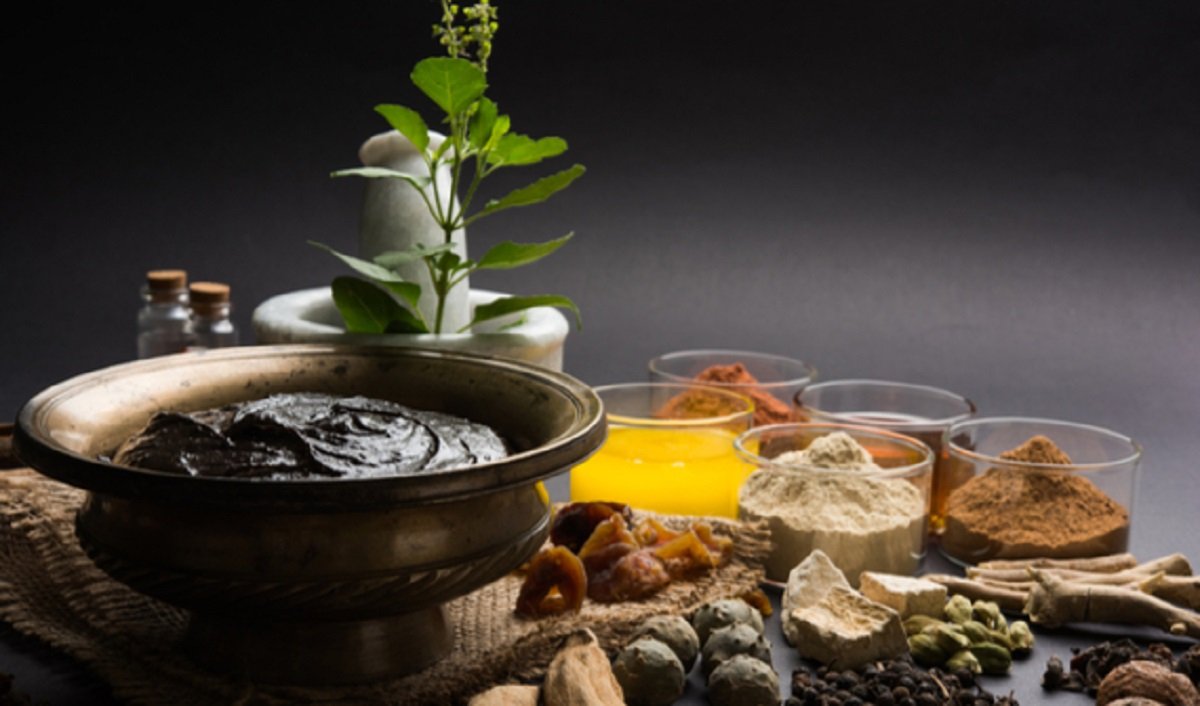
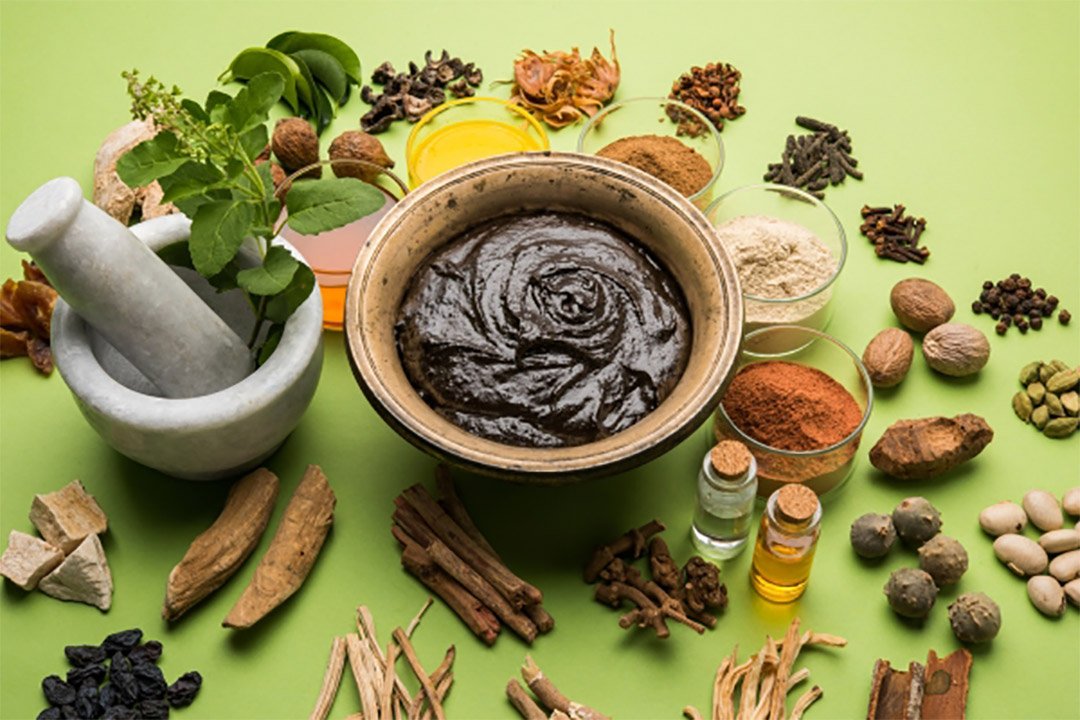
Ayurveda focuses on the application of medical herbs that consists anti-inflammatory and immuno-protective effects. Some common herbs used to prepare Ayurvedic medication for treating inflammatory conditions include Ashwagandha, Guduchi, Turmeric and Guggul. The National Institute of Health (NIH) suggests that plant-based antioxidant and anti-inflammatory compounds can assist in the process of natural healing of the human organism provided the amount used is appropriate.
Balancing digestive system
Ayurveda places a lot of importance to diet as an aspect of treatment of autoimmune diseases. Some common recommendations that offer nutritional values are warm and freshly cooked foods prepared using vegetables, whole grains, lentils and ghee. Spices such as ginger, turmeric and cumin are usually promoted as they ease digestion and inflammation. Foods that are highly processed, a lot of sugar and heavy fried dishes are not recommended since they can increase imbalance in digestion and inflammation.
Importance of detoxification
Panchakarma is also an Ayurvedic detoxification therapy that is occasionally prescribed to help the body get rid of excess toxins. The therapies are meant to purify the digestive system to enhance metabolism and bring back balance in the body. Together with detoxification and healthy lifestyle practices like coping with stress, sleeping well and engaging in exercise are very crucial in keeping the immune system healthy. Ayurvedic practice generally recommends yoga and meditation since they can contribute to balancing the stress hormones as well as maintaining mental health which in its turn affects the immune balance.
Holistic approach to long-term health
Although medical intervention and the use of conventional methods is the common way to treat autoimmune diseases, Ayurveda provides the natural methods of complementing them, i.e., reducing the level of inflammation and restoring the equilibrium in the organism. Ayurveda is meant to help us build a natural defence mechanism by using balanced diets, herbal supplementation, cleansing and de-stressing, in order to achieve wellness.
This content is only for informational purposes. It is not at all professional medical advice. Always consult your doctor or a healthcare specialist for any questions regarding your health or a medical condition.














Leave a comment