

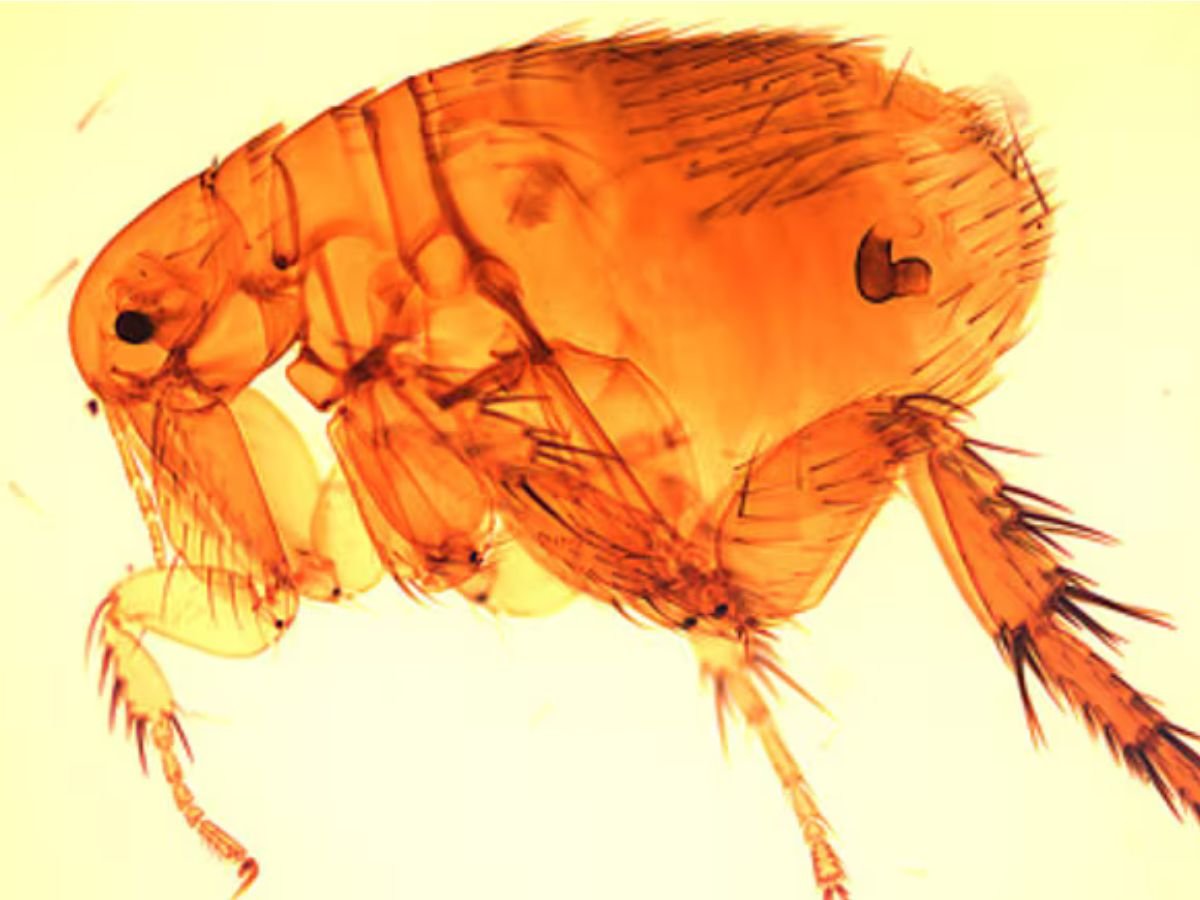
New Delhi, October 16: The first case of murine typhus – a bacterial infection spread by fleas – in Kerala, diagnosed in a 75-year-old man on October 11, was an imported case, a health expert told TNM. The man had travelled to countries like Vietnam and Cambodia, before coming to Kerala, and likely got the infection from abroad. Let’s know more about this virus and the disease it can cause.
Murine typhus, also known as endemic typhus or flea-borne typhus, is a rare bacterial infection transmitted to humans through the bite of infected fleas. While less common than other infectious diseases, it can pose a serious health threat if left untreated. Here are 7 important things to know about murine typhus.
How Does The Virus Transmits?
Murine typhus is primarily transmitted to humans through the bite of infected fleas, which typically feed on rats. These fleas can also transmit other diseases, such as the bubonic plague.
Symptoms of Murine Typhus
The symptoms of murine typhus often appear within a week of the flea bite and may include:
High fever
Headache
Body aches and pains
Chills
Nausea and vomiting
Rash
Confusion or delirium
In severe cases, It can lead to complications such as pneumonia, meningitis, and heart problems.
What Are The Risk Factors?
Individuals living in areas with high rat populations, poor sanitation, and overcrowding are at a higher risk of contracting it. Travelers to these regions should take precautions to avoid flea bites.
Are There Any Treatment Options?
It can be treated with antibiotics, which can help shorten the course of illness and prevent complications. Early diagnosis and treatment are essential for a favorable outcome.
How To Stay Safe From Murine Typhus
To prevent it, it is important to take steps to reduce exposure to infected fleas. This includes:
Pest control: Regular pest control measures can help reduce rat populations and the number of infected fleas.
Personal protection: Wearing long sleeves, pants, and insect repellent can help prevent flea bites.
Environmental sanitation: Maintaining good sanitation practices, such as eliminating garbage and clutter, can help reduce the number of rats and fleas.
Read Also – Breast Cancer In India: 16% of Women Aged 55-64 Face The Silent Threat, WHO Study Reveals
While this is a rare disease, it is important to be aware of the risk factors and take precautions to prevent infection. If you suspect that you may have it, seek medical attention immediately for diagnosis and treatment.















Leave a comment