Home Latest News Malaria Cases and Deaths in India See Remarkable Decline: WHO Report
Latest News

Malaria Cases and Deaths in India See Remarkable Decline: WHO Report

Share
Malaria
Malaria
Share

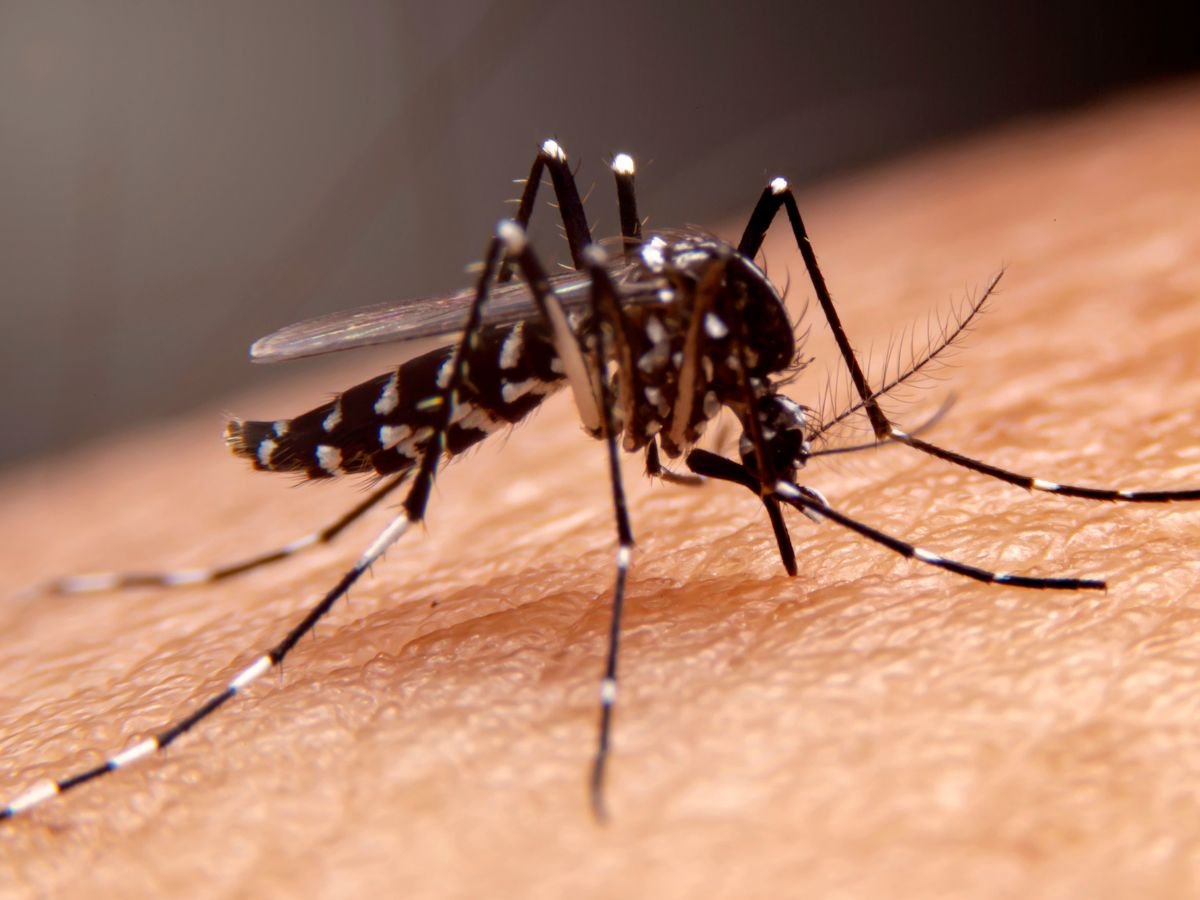
New Delhi, 11 December 2024: India has made significant strides in controlling malaria, achieving a 69% reduction in cases and deaths between 2017 and 2023, according to the World Health Organization (WHO). This progress reflects the country’s robust public health measures, innovative strategies, and intensified surveillance efforts.

The WHO highlighted that India has emerged as a success story among malaria-endemic nations. The introduction of the National Framework for Malaria Elimination in 2016 and the subsequent National Strategic Plan (2017–2022) have played a pivotal role. These programs aim to eliminate malaria by 2030 by combining targeted interventions, early diagnosis, and enhanced community awareness.

States like Odisha, Jharkhand, and Madhya Pradesh, which historically reported high malaria burdens, have shown remarkable declines due to tailored health initiatives. For instance, Odisha achieved a 40% reduction in malaria cases between 2018 and 2019, setting a benchmark for other high-burden regions.

Key Factors Behind the Decline

Several factors have contributed to this remarkable achievement:

High Burden to High Impact (HBHI) Strategy: Launched in collaboration with WHO, this initiative focused on strengthening surveillance, implementing region-specific interventions, and mobilizing community health workers.

Increased Surveillance and Diagnostics: India improved its disease management systems by equipping healthcare facilities with rapid diagnostic tools and training microscopists. This enabled timely detection and treatment of malaria cases.

Distribution of Long-Lasting Insecticidal Nets (LLINs): The use of LLINs in endemic regions has significantly reduced mosquito-human contact, curbing the spread of malaria.

Special Focus on Vulnerable Populations: Tribal and hard-to-reach areas have benefited from mobile health units and increased community awareness, ensuring healthcare access for marginalized groups.

What Are The Challenges Ahead?

While the decline in malaria cases is a positive development, India still faces challenges in achieving its elimination goals. Persistent malaria transmission in conflict-prone or remote areas, combined with emerging drug-resistant malaria strains, poses a risk to progress. Moreover, ensuring adequate funding and intersectoral coordination will be essential for sustaining the gains.

India’s success in reducing malaria has contributed significantly to the global fight against the disease. As one of the largest contributors to the decline in cases in Southeast Asia, India’s strategies serve as a model for other countries striving to combat malaria.

With sustained political commitment, public health innovations, and community participation, India is on track to meet its malaria elimination target by 2030. The WHO continues to support India’s efforts, emphasizing that the lessons learned here could inspire global strategies against other vector-borne diseases.

India’s battle against malaria highlights the power of coordinated public health initiatives and serves as a reminder of what can be achieved with collective effort and determination

Share
Written by
kirti Shah

Kirti is a Senior Health Editor at Healthwire Media, specializing in health journalism and digital health communication. With over four years of experience in the healthcare media landscape, she is dedicated to transforming complex clinical data into accessible, patient-friendly information. Kirti oversees the editorial lifecycle of every article, ensuring they meet rigorous fact-checking standards and align with the latest guidelines from primary sources like the WHO and Ministry of Health. In her role, Kirti works closely with a panel of board-certified physicians and medical reviewers to ensure that every piece of content published is not only easy to understand but also medically accurate and safe for the public. She is passionate about health literacy and helping readers navigate their wellness journeys with confidence.

Leave a comment

Leave a Reply

Your email address will not be published. Required fields are marked *

Don't Miss

Obstetrics & Gynecology

Obesity and Infertility: Doctor explains how excess weight affects fertility in men and women

Infertility is not only associated with factors such as smoking, alcohol, stress, and environmental factors, but also with obesity. Currently, a large number...

Rapid Heart Beat
Cardiology

Tachycardia Explained: Why Your Heart Rate Goes Above 100 BPM Even at Rest

If we talk about the normal heart rate, in healthy adults the resting heart rate usually ranges between 60 and 100 beats per...

How to keep the kidney safe and healthy
Nephrology

World Kidney Day 2026: 5 Lifestyle Modifications That Can Keep Your Renal Health Safe

World Kidney Day is a good reminder of how crucial kidneys are in keeping the body healthy and why preserving them by following...

World Kidney Day 2026: How Heat, Pollution, and Dehydration Are Increasing Kidney Disease Risk
Nephrology

World Kidney Day 2026: How Heat, Pollution, and Dehydration Are Increasing Kidney Disease Risk

Imagine stepping out on a scorching afternoon when the temperature is close to 43°C. You sweat heavily, feel thirsty, and quickly reach for...

Women's Health
Press Release

Women in Medicine: Multispecialty Meet at Sir Ganga Ram

New Delhi : “Women in the Medical Profession – Multispecialty Meet” on Tuesday Sir Ganga Ram Hospital organised to celebrate the contributions of...

Section title

Related Articles
Latest News

Glaucoma: The ‘Silent Thief of Sight’ – Early Warning Signs You Should Never Ignore

Glaucoma is often called the “silent thief of sight” because it can...

Menstruation
Latest NewsLifestyle & Wellness

Menstrual health matters: What science says about period myths

Menstrual health is a topic that is surrounded by silence, stigma and...

Latest News

The Science of Fear: How the Amygdala Controls Your Brain’s Fight-or-Flight Response

Fear is a normal and important human feeling that is capable of...

stress
Latest News

Eustress and Distress Explained: How to Tell the Difference Between Helpful and Harmful Stress

Stress has been viewed as a negative phenomenon, although not all stress...