

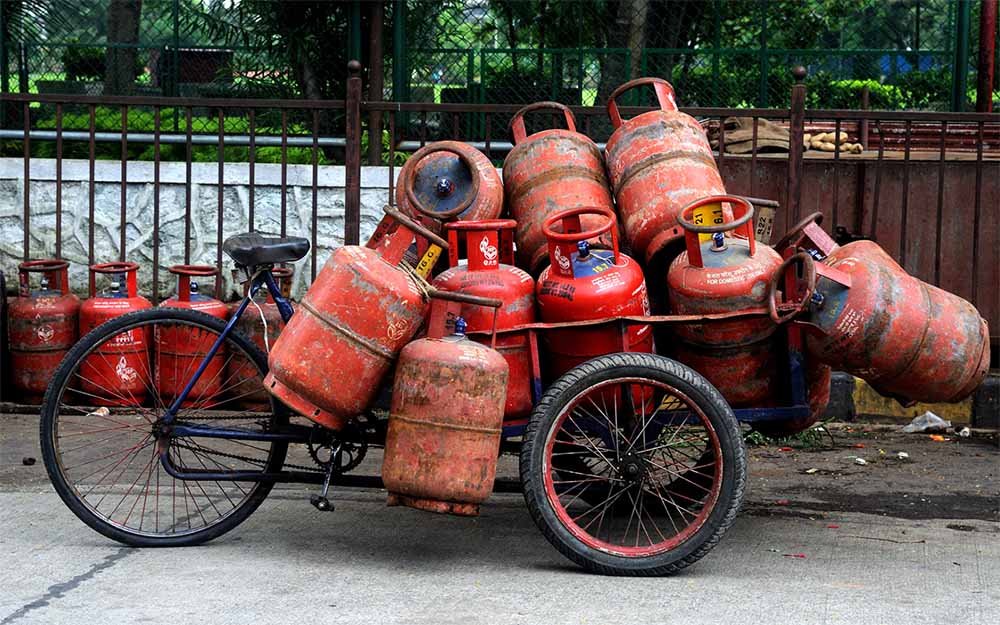
As concerns around LPG cylinder shortages grow in India, most conversations have focused on rising prices, supply disruptions, and the inconvenience of delayed refills. But beyond the economic and logistical stress, there’s a deeper issue that often goes unnoticed—the impact of cooking fuel shortages on your health and overall wellbeing.
From compromised nutrition to increased exposure to indoor air pollution, the ripple effects of LPG scarcity can quietly affect millions of households, especially in urban and semi-urban regions where LPG is the primary cooking fuel.
Why LPG Shortages Are More Than Just an Inconvenience
For many Indian households, LPG cylinders are not a luxury—they are a necessity. A shortage doesn’t just mean delayed cooking; it can disrupt daily routines, dietary habits, and even hygiene practices.
When access to LPG becomes uncertain, families often begin rationing fuel. This can lead to:
- Skipping freshly cooked meals
- Reducing cooking frequency
- Opting for quicker, less nutritious food options
Over time, these small adjustments can significantly impact health, particularly for children, elderly individuals, and those with existing medical conditions.
Shift to Processed and Packaged Foods
One of the most immediate consequences of LPG shortages is a shift towards ready-to-eat or processed foods. These options may be convenient, but they are often high in:
- Sodium
- Unhealthy fats
- Preservatives
Regular consumption of such foods can increase the risk of:
- High blood pressure
- Obesity
- Digestive issues
- Lifestyle diseases like diabetes
Fresh, home-cooked meals are typically more balanced and nutritious. When cooking becomes a challenge, maintaining a healthy diet becomes equally difficult.
Impact on Daily Nutrition and Meal Quality
Cooking limitations can lead to a decline in meal quality. Families may avoid preparing dishes that require longer cooking times, such as:
- Lentils (dal)
- Whole grains
- Certain vegetables
These foods are rich in essential nutrients like protein, fibre, vitamins, and minerals. Avoiding them can result in:
- Nutritional deficiencies
- Reduced immunity
- Fatigue and low energy levels
Children and pregnant women are especially vulnerable, as their nutritional needs are higher.
Health Risks of Alternative Cooking Methods
In the absence of LPG, some households may turn to alternative cooking methods such as:
- Firewood
- Coal
- Kerosene stoves
While these may solve the immediate problem, they come with serious health risks.
Burning solid fuels releases harmful pollutants, including carbon monoxide and fine particulate matter. Prolonged exposure can lead to:
- Respiratory infections
- Chronic lung diseases
- Eye irritation
- Increased risk of heart disease
Indoor air pollution caused by such fuels is a major public health concern, particularly in poorly ventilated homes.
Indoor Air Pollution: A Silent Health Threat
Indoor air pollution is often invisible but extremely dangerous. According to health experts, exposure to smoke from traditional cooking fuels can be as harmful as smoking cigarettes.
Symptoms of poor indoor air quality include:
- Persistent coughing
- Breathlessness
- Headaches
- Irritation in the eyes and throat
Over time, this can lead to more serious conditions such as asthma or chronic obstructive pulmonary disease (COPD). Women and children, who spend more time in the kitchen, are at a higher risk of exposure.
Mental Stress and Lifestyle Disruptions
Beyond physical health, LPG shortages can also take a toll on mental wellbeing. The uncertainty of fuel availability, combined with rising costs, can create anxiety and stress within households.
Daily challenges such as:
- Planning meals around limited fuel
- Managing household budgets
- Ensuring proper nutrition for family members
can lead to emotional strain, particularly for primary caregivers. Stress, when prolonged, can contribute to sleep disturbances, irritability, and reduced overall quality of life.
Hygiene and Food Safety Concerns
Limited cooking fuel can also impact hygiene practices. Families may:
- Avoid boiling water properly
- Skip reheating leftover food
- Reduce cooking temperatures
This increases the risk of foodborne illnesses and infections, especially during summer months when food spoils quickly. Proper cooking and reheating are essential to kill harmful bacteria and ensure food safety.
Who Is Most at Risk?
While LPG shortages affect everyone, certain groups are more vulnerable:
- Children: Require nutrient-rich diets for growth and development
- Elderly individuals: Often have weaker immunity and specific dietary needs
- Pregnant and lactating women: Need higher nutritional intake
- Low-income households: May lack access to alternative safe cooking options
For these groups, even short-term disruptions in cooking routines can have long-term health consequences.
Practical Tips to Stay Healthy During LPG Shortages
While the situation may be challenging, there are ways to minimise health risks and maintain better nutrition:
1. Plan Smart Meals: Opt for dishes that require less cooking time but are still nutritious, such as:
- Sprouts
- Salads
- Boiled eggs
- One-pot meals
2. Use Energy-Efficient Cooking Methods: Pressure cookers and induction cooktops (if available) can reduce fuel usage.
3. Ensure Proper Ventilation: If using alternative fuels, keep windows open and ensure proper airflow to reduce smoke exposure.
4. Store Food Safely: Avoid keeping cooked food for long periods without refrigeration. Reheat thoroughly before consumption.
5. Stay Hydrated and Eat Fresh: Include fruits, nuts, and raw vegetables in your diet to maintain nutrient intake.
The LPG shortage highlights a broader issue—the need for sustainable and accessible cooking solutions. Ensuring uninterrupted LPG supply is not just an economic necessity but a public health priority.
At the same time, there is a growing need to:
- Promote clean cooking alternatives
- Raise awareness about indoor air pollution
- Support vulnerable communities with affordable solutions
While LPG shortages may seem like a temporary inconvenience, their impact on health can be long-lasting. From poor nutrition to increased exposure to harmful pollutants, the consequences extend far beyond the kitchen.












Leave a comment