

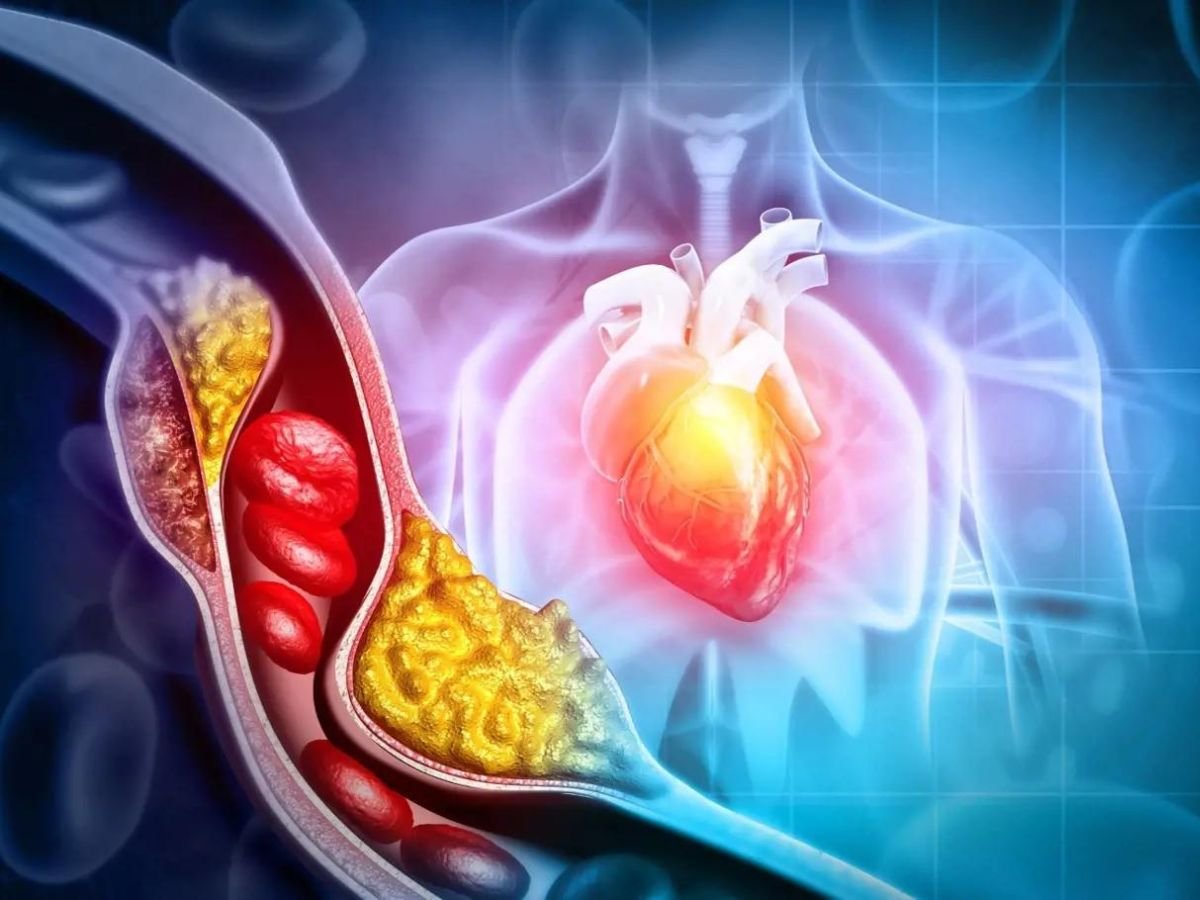
New Delhi, 20 September 2025: Heart attacks are no longer confined to the elderly. In recent years, cases of sudden cardiac arrests and heart attacks among people in their 30s and 40s have been alarmingly high. One of the silent yet major culprits behind this surge is high cholesterol, particularly elevated LDL cholesterol levels. Often referred to as “bad cholesterol,” LDL (low-density lipoprotein) plays a critical role in clogging arteries and triggering heart disease.
But how do you know if your LDL cholesterol is too high? Experts explain the risks, warning signs, and preventive measures.
Understanding LDL Cholesterol
Cholesterol is a fatty substance essential for the body’s normal functions, such as hormone production and vitamin D synthesis. However, excess LDL cholesterol builds up in the arteries, forming plaques that narrow or block blood vessels. This condition, called atherosclerosis, significantly raises the risk of heart attacks and strokes.
Doctors generally classify cholesterol levels as:
- LDL cholesterol (bad cholesterol)
- Optimal: less than 100 mg/dL
- Near optimal: 100–129 mg/dL
- Borderline high: 130–159 mg/dL
- High: 160–189 mg/dL
- Very high: 190 mg/dL and above
- HDL cholesterol (good cholesterol)
- Protects the heart by removing excess cholesterol from arteries.
Why High LDL Cholesterol Is Dangerous
Experts warn that high LDL cholesterol does not usually present clear symptoms. Instead, it quietly damages arteries over years until a sudden blockage causes a heart attack. Risks include:
- Plaque buildup in arteries
- Reduced blood flow to the heart and brain
- High risk of clot formation
- Increased chance of sudden cardiac arrest
Warning Signs and Risk Factors
Since high cholesterol itself has no obvious symptoms, it’s important to watch for related conditions and risk factors:
- Family history of heart disease or high cholesterol
- Obesity or being overweight
- Diabetes and high blood pressure
- Unhealthy diet high in fried foods, red meat, and processed items
- Smoking and alcohol consumption
- Sedentary lifestyle
Some people with very high cholesterol may develop xanthomas (yellowish deposits around the eyes, elbows, or joints), which can be an external warning sign.
How to Know If Your LDL Cholesterol Is Too High
The only reliable way to measure cholesterol levels is through a lipid profile test, which should ideally be done every 1–2 years after the age of 25, or more frequently if you have risk factors.
Doctors recommend:
- Routine health check-ups for early detection
- Target LDL cholesterol levels below 100 mg/dL for healthy adults
- For people with diabetes, hypertension, or prior heart disease, the LDL goal may be even lower (around 70 mg/dL).
Expert Tips to Control LDL Cholesterol
Cardiologists stress that lifestyle changes can make a significant difference in controlling cholesterol levels and preventing heart attacks.
- Adopt a Heart-Healthy Diet
- Eat more fiber-rich foods like oats, beans, fruits, and vegetables.
- Replace red meat with lean proteins such as fish, chicken, and legumes.
- Use healthy fats (olive oil, nuts, seeds) instead of saturated and trans fats.
- Exercise Regularly
- Engage in at least 30 minutes of brisk walking, cycling, or yoga daily.
- Maintain a Healthy Weight
- Losing even 5–10% of body weight can improve cholesterol levels.
- Quit Smoking and Limit Alcohol
- Smoking lowers good cholesterol (HDL) and raises bad cholesterol (LDL).
- Medication When Needed
- In some cases, lifestyle changes may not be enough. Doctors may prescribe statins or other cholesterol-lowering medications to manage LDL levels effectively.
High LDL cholesterol is a silent but deadly risk factor behind the rising number of heart attacks. Since it shows no early symptoms, the only way to know your cholesterol status is through regular testing. By adopting a healthy lifestyle, following medical advice, and keeping LDL levels in check, you can significantly lower your risk of heart disease and protect your heart health.
As experts emphasize: “Don’t wait for symptoms—get your cholesterol checked today. Prevention is the best cure for heart attacks.”
















Leave a comment