

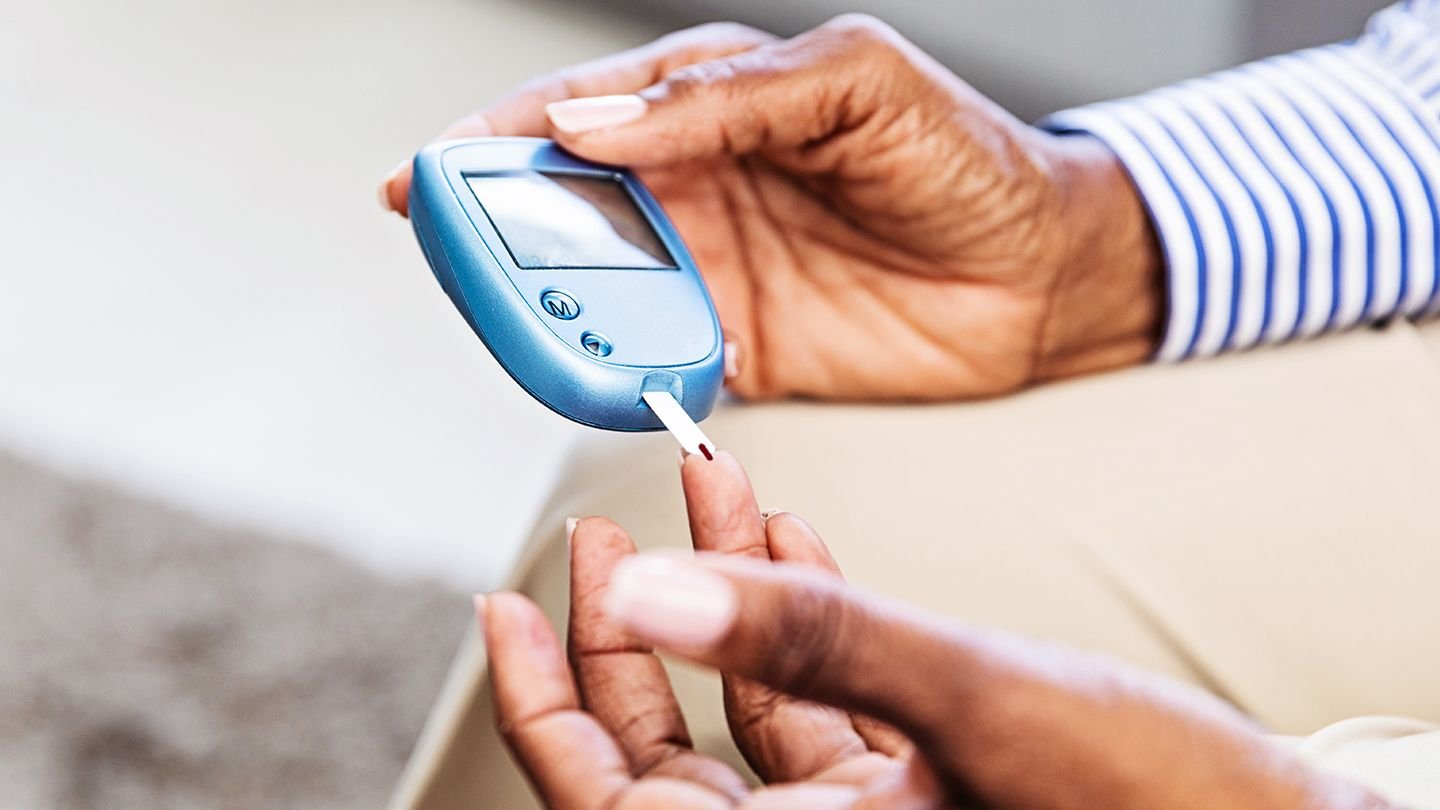
New Delhi, 18 May 2025: Waking up to high blood sugar levels can be frustrating and confusing, especially when you’ve not eaten for several hours. For many individuals with diabetes, this fasting blood sugar spike is a regular occurrence that can impact overall glucose control. Understanding the causes and learning how to manage it effectively can help you avoid long-term complications.
Why Do Fasting Blood Sugar Spikes Happen?
Two main factors contribute to early morning hyperglycemia: the dawn phenomenon and the Somogyi effect. The dawn phenomenon occurs naturally between 3 a.m. and 8 a.m. when your body releases hormones like cortisol and glucagon. These hormones instruct the liver to release glucose into the bloodstream to prepare the body for waking up. However, if you’re diabetic, your body may not produce enough insulin to counteract this glucose release, leading to a rise in blood sugar.
In contrast, the Somogyi effect is caused by rebound hyperglycemia. If your blood sugar drops too low during the night—possibly due to too much insulin, skipping meals, or intense evening exercise—your body responds by releasing stress hormones that spike glucose levels. This makes morning readings unusually high.
How to Identify the Cause of the Morning Spike
To determine the exact cause, it’s essential to monitor your blood sugar at key times: before bed, at around 3 a.m., and again upon waking. If your blood sugar is low at 3 a.m. and then high in the morning, the Somogyi effect is likely. If it remains steady or rises gradually overnight, you’re probably experiencing the dawn phenomenon.
Dietary Tips to Control Morning Blood Sugar
Start with adjusting your dinner and nighttime snacks. Choose a low-glycemic, balanced meal in the evening with complex carbohydrates, lean proteins, and healthy fats. Avoid refined carbs and sugary desserts that can cause overnight spikes. Some people benefit from a small protein-rich snack—like nuts, Greek yogurt, or a boiled egg—before bed to help stabilize levels.
Reducing carbohydrate intake at dinner can also help. Opt for complex carbs such as brown rice, quinoa, lentils, or vegetables, and always pair them with protein or fat to slow down glucose absorption.
Medication Timing and Adjustments
If you are on insulin or oral diabetes medication, timing and dosage can affect your fasting glucose levels. Some people may need to adjust the timing of their long-acting insulin, moving it to later in the evening or splitting the dose. However, any medication changes must be made under medical supervision to avoid hypoglycemia or other risks.
Importance of Evening Physical Activity
Incorporating light to moderate exercise after dinner can aid in lowering blood sugar and improving insulin sensitivity. Activities like walking, stretching, or yoga in the evening can make a noticeable difference in your morning readings. However, avoid intense workouts too close to bedtime, as they can sometimes cause unexpected drops or spikes.
Stress, Sleep, and Hydration
Chronic stress and poor sleep are often overlooked but significantly affect blood sugar. High cortisol levels from stress or inadequate sleep can raise your fasting glucose. Practice stress-reduction techniques like meditation, deep breathing, or journaling before bed. Also, ensure you’re getting 7–8 hours of quality sleep. Stay well hydrated throughout the day and before bed, as dehydration can concentrate your blood glucose.
Monitor Consistently and Adjust Accordingly
Consistent blood sugar tracking is crucial. Use a glucometer or continuous glucose monitor (CGM) to log your readings. This data will help your healthcare provider fine-tune your diabetes management plan. If your fasting levels remain high despite lifestyle and dietary efforts, consult your endocrinologist for potential medication adjustments or further investigation.

















Leave a comment