

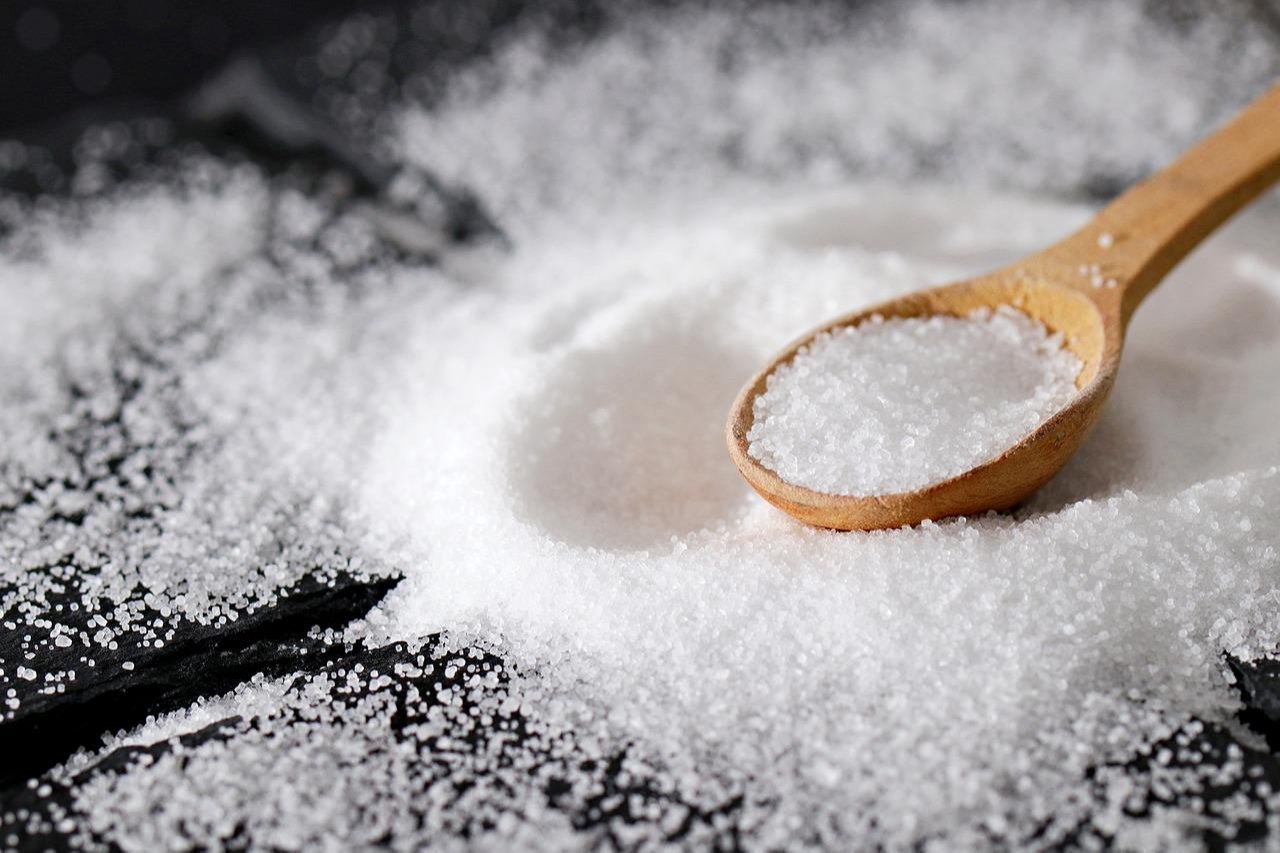
New Delhi, 13 November 2024: In a recent study, experts have shed light on a troubling connection between diets high in salt and an increased risk of gastric cancer. This article aims to explain the reasons behind this relationship, focusing on five major factors that heighten this risk, as well as one effective way to help prevent it. Gaining insight into these aspects is essential for improving public health awareness and making informed dietary choices.
The Impact of Salt on Health
Salt, which is mainly made up of sodium chloride, is a staple in many people’s diets globally. Sodium is vital for our body’s functions, but consuming it in excess can lead to serious health issues. While high salt intake is commonly linked to hypertension and heart disease, recent research suggests it may also be a significant contributor to the development of gastric cancer, raising red flags for health practitioners.
The Study: Key Findings
A recent study looked into the eating habits of individuals with gastric cancer. The results showed that those who had high salt diets were far more likely to develop this cancer. The research indicated that salt could harm the stomach lining, causing inflammation that could eventually lead to cancerous growths. These findings stress the importance of keeping an eye on salt consumption as part of a healthy diet.
Mechanisms Behind the Risk
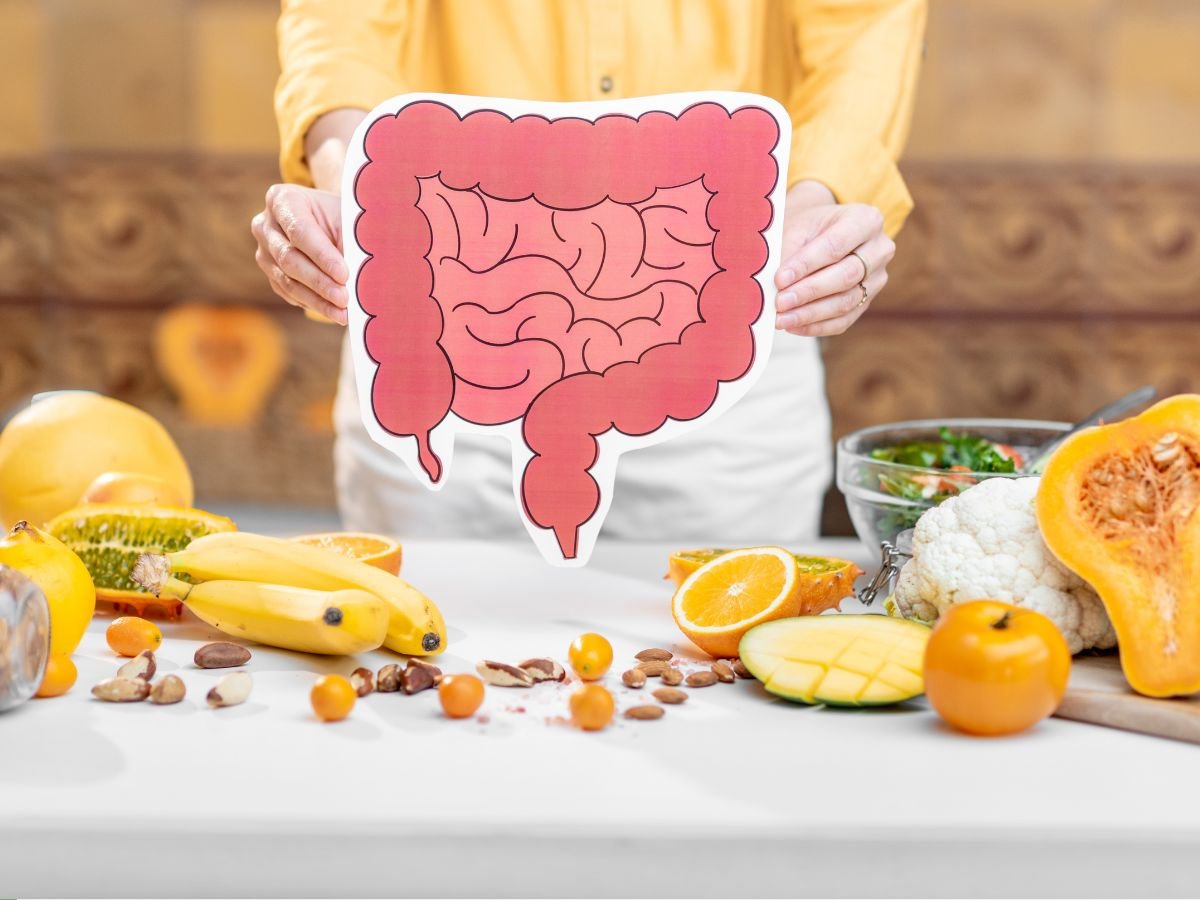
Understanding why high salt intake is linked to gastric cancer is vital. One key factor involves the impact of salt on the stomach’s microbiome. Too much salt can disrupt the balance of gut bacteria, fostering the growth of harmful bacteria like Helicobacter pylori, which is known to cause stomach ulcers and cancer. Moreover, salt may amplify the harmful effects of certain compounds found in processed foods, thus raising the risk of gastric cancer even further.
Dietary Patterns and Cultural Influences
Cultural eating habits greatly affect how much salt people consume. In several cultures, traditional diets include high amounts of salt due to preserved and fermented foods. For example, many Asian cuisines feature salt-heavy dishes, which can lead to an increased risk of gastric cancer among those populations. Recognizing these dietary patterns is crucial for developing targeted public health initiatives to lower cancer risk.
Prevention Strategies: Reducing Salt Intake
To lower the risk of gastric cancer, cutting back on salt is a key preventive step. Health experts recommend keeping daily salt consumption under 2,300 milligrams, or about one teaspoon. Incorporating more fresh fruits and vegetables, opting for low-sodium products, and carefully reading food labels can help individuals manage their salt intake more effectively. Public health campaigns aimed at raising awareness about the dangers of high salt consumption can also be vital for prevention.
The Role of Health Education
Education can be a powerful weapon against the risks associated with high salt diets. Schools, healthcare institutions, and community organizations can collaborate to encourage healthier eating practices. Workshops and seminars that focus on balanced eating, including the risks of too much salt, can empower individuals to make better choices. Additionally, providing resources on meal planning and cooking with less salt can foster healthier lifestyles.
The relationship between high salt diets and an increased risk of gastric cancer is a major public health issue. As research continues to highlight the dangers of consuming excessive salt, it’s crucial for individuals to rethink their dietary habits. Thus by understanding the risks and taking preventive steps, we can work together to reduce the incidence of gastric cancer. Health professionals, educators, and the community must join forces to promote awareness and advocate for healthier dietary choices. The message is clear: cutting down on salt isn’t just a personal endeavor, but a vital move towards a healthier future.














Leave a comment