

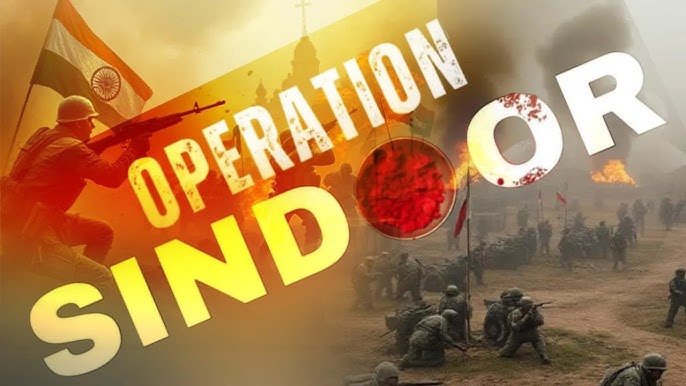
New Delhi, 10 May 2025: As tensions rise between India and Pakistan, anxiety and fear can take a serious toll on public health. Whether you’re in a directly affected area or not, war-like situations create a high-stress environment. Amid such uncertainty, it’s crucial to focus on your physical and mental well-being to stay resilient and prepared. Here’s how you can take care of yourself and your family during these tense times.
- Manage Mental Health and Anxiety
War tensions can lead to widespread fear, anxiety, and even panic attacks. Limit your exposure to sensationalist media and avoid doomscrolling on social platforms. Choose reliable news sources and take breaks from constantly checking updates. To calm your mind, practice breathing exercises, yoga, or meditation. These activities can lower cortisol levels and stabilize your nervous system. If stress feels unmanageable, talk to loved ones or seek support from a mental health professional.
- Create a Personal Medical Emergency Kit
Being prepared helps reduce panic. Assemble a basic emergency kit that includes: First-aid supplies, Prescription medications (at least a week’s supply), Copies of important medical records, Hygiene products like hand sanitizers and masks, Power bank and flashlight
- Eat Right to Boost Immunity
Stress and fear can weaken your immune system, making you more prone to illness. Strengthen your immunity by eating a balanced diet rich in:\n- Fresh fruits and vegetables\n- Whole grains. Lean proteins and healthy fats. Avoid junk food, processed snacks, and alcohol. Also, stay well-hydrated and aim for at least 7 hours of quality sleep each night. These habits will help your body stay strong even in stressful conditions.
- Protect the Vulnerable: Children and Elderly
Children are sensitive to chaos and may not understand the seriousness of war-related news. Keep communication simple and reassuring. Limit their exposure to disturbing headlines or violent images. The elderly may feel more anxious, especially if they’ve lived through past conflicts. Make sure they feel safe, included in discussions, and have access to their medications and medical appointments.
- Know Your Local Healthcare Access Points
In times of emergency, hospitals and clinics may be overwhelmed. It’s smart to know where your nearest healthcare centers are located. Save emergency contact numbers in your phone and keep hard copies. If you have special health needs at home, like oxygen support or mobility issues, plan ahead.
- Prepare a Family Emergency Plan
Make sure everyone in your household knows:\n- Where to meet in case of evacuation\n- How to contact each other\n- Which route to take if forced to relocate
Rehearsing this plan can significantly reduce confusion and fear in the event of an actual emergency.
Though we hope that peace prevails, preparation is key. Keeping yourself and your family physically healthy and mentally strong will make it easier to face any unexpected situation with clarity and resilience. Health is your most valuable asset—even in times of conflict.














Leave a comment