

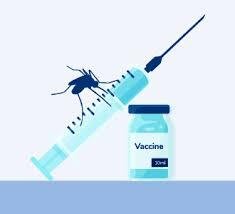
India is making significant strides towards developing its first dengue vaccine, with hopes of having it ready by 2026. Dengue, a mosquito-borne disease, is a major public health concern in the country, affecting close to 300,000 people each year and causing numerous deaths. Last year alone, dengue claimed 485 lives and saw 289,235 reported cases. As of April 2024, there have been 19,447 cases and 19 deaths, according to the National Center for Vector Borne Diseases Control.
Indian Immunologicals Ltd. (IIL), a subsidiary of the National Dairy Development Board, is at the forefront of this effort. The company’s managing director, K Anand Kumar, announced that they have successfully completed phase 1 clinical trials of their dengue vaccine. Phase 1 trials are crucial for determining the safety of a vaccine. Encouragingly, these trials showed no adverse effects, paving the way for phase 2 and phase 3 trials, which will test the vaccine’s efficacy.
“We will apply for approvals for the phase 2 clinical trials soon. We can expect the vaccine to be commercially available in 2026-27 if things go according to plan,” said Kumar. If the subsequent trials are successful, the vaccine could be a game-changer in the fight against dengue in India.
In addition to IIL, Japanese pharmaceutical company Takeda is also making progress in developing a dengue vaccine in India. Takeda has initiated local clinical trials after receiving the no-objection certification (NoC) from Indian health authorities. A spokesperson for Takeda India stated, “We have received the NOC for clinical trials from health authorities and have initiated the clinical trial activity as per local regulations in India. We are committed to completing the trial at the earliest, followed by submission to Indian health authorities.”
Takeda is well-prepared for the launch of its dengue vaccine in India, pending regulatory approval. The company’s Qdenga vaccine, a tetravalent live attenuated vaccine, is already available in private markets in Europe, Indonesia, Thailand, and in some public programs in Argentina and Brazil. Takeda’s approach includes a dual pricing strategy, making the vaccine more affordable in Asian markets compared to Europe.
To ensure a steady supply of the vaccine, Takeda has partnered with Hyderabad-based Biological E (BE). This collaboration aims to ramp up production capacity to 50 million doses a year, with a long-term goal of reaching 100 million doses annually within a decade. The doses produced by BE will be available for government procurement in dengue-endemic countries by 2030, supporting national immunization programs.
The Qdenga vaccine will be available in multi-dose vials, offering economic and logistical advantages. Multi-dose vials reduce packaging and storage expenses while minimizing medical and environmental waste, making them ideal for large-scale immunization programs.
Gary Dubin, President of Takeda’s Global Vaccine Business Unit, highlighted the extensive clinical development of the Qdenga vaccine. “The global clinical development of this vaccine has covered over 28,000 individuals across dengue-endemic and non-endemic countries. It has shown an efficacy of around 84 percent against hospitalized dengue, irrespective of previous exposure to the virus,” Dubin said.
Apart from IIL and Takeda, other Indian companies such as the Serum Institute of India and Panacea Biotec are also working on developing dengue vaccines. The concerted efforts of these companies signify a promising future in the fight against dengue in India, with the potential to save thousands of lives and reduce the burden of the disease significantly.
The race to develop a dengue vaccine in India is heating up, with multiple players making significant progress. If all goes well, India could have its first dengue vaccine by 2026, marking a major milestone in public health and offering hope to millions affected by this debilitating disease.















Leave a comment