Home Latest News HMPV virus in India: First case detected in Bengaluru hospital; baby tests positive, says report
Latest News

HMPV virus in India: First case detected in Bengaluru hospital; baby tests positive, says report

Share
HMPV
HMPV
Share

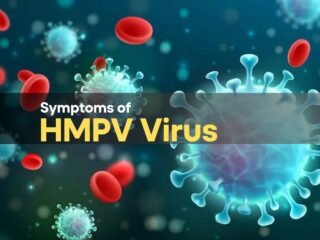
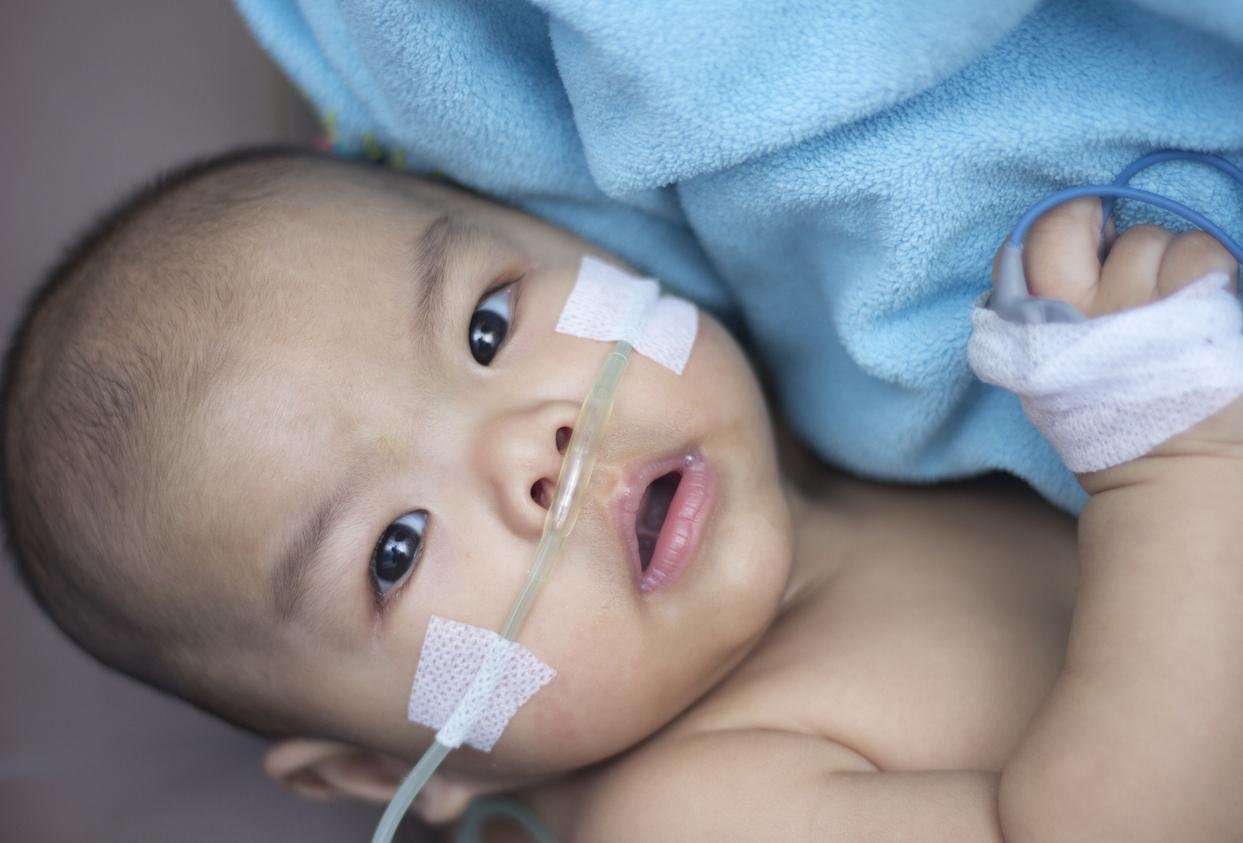
New Delhi, 06 January 2025: An eight-month-old baby has been detected with the Human Metapneumovirus (HMPV) virus in Bengaluru, according to reports.

This makes it the first case in India amid a surge in such cases in China. According to News18, the child does not have any travel history. The case was confirmed by the Karnataka Health Department. The case was reportedly conveyed to the Union Health Ministry.  According to News 18,It was not clear whether this was the same strain of HMPV causing a spike in China.

The Union Health Ministry earlier said  India is fully prepared to manage respiratory illnesses with surveillance mechanisms indicating no unusual surge in cases.

The ministry on Saturday conducted a joint monitoring group meeting to discuss the reports of rising cases of respiratory illnesses in China in the past few weeks.


Share
Written by
kirti Shah

Kirti is a Senior Health Editor at Healthwire Media, specializing in health journalism and digital health communication. With over four years of experience in the healthcare media landscape, she is dedicated to transforming complex clinical data into accessible, patient-friendly information. Kirti oversees the editorial lifecycle of every article, ensuring they meet rigorous fact-checking standards and align with the latest guidelines from primary sources like the WHO and Ministry of Health. In her role, Kirti works closely with a panel of board-certified physicians and medical reviewers to ensure that every piece of content published is not only easy to understand but also medically accurate and safe for the public. She is passionate about health literacy and helping readers navigate their wellness journeys with confidence.

Leave a comment

Leave a Reply

Your email address will not be published. Required fields are marked *

Don't Miss

Rapid Heart Beat
Cardiology

Tachycardia Explained: Why Your Heart Rate Goes Above 100 BPM Even at Rest

If we talk about the normal heart rate, in healthy adults the resting heart rate usually ranges between 60 and 100 beats per...

How to keep the kidney safe and healthy
Nephrology

World Kidney Day 2026: 5 Lifestyle Modifications That Can Keep Your Renal Health Safe

World Kidney Day is a good reminder of how crucial kidneys are in keeping the body healthy and why preserving them by following...

World Kidney Day 2026: How Heat, Pollution, and Dehydration Are Increasing Kidney Disease Risk
Nephrology

World Kidney Day 2026: How Heat, Pollution, and Dehydration Are Increasing Kidney Disease Risk

Imagine stepping out on a scorching afternoon when the temperature is close to 43°C. You sweat heavily, feel thirsty, and quickly reach for...

Women's Health
Press Release

Women in Medicine: Multispecialty Meet at Sir Ganga Ram

New Delhi : “Women in the Medical Profession – Multispecialty Meet” on Tuesday Sir Ganga Ram Hospital organised to celebrate the contributions of...

Glucoma
Press Release

Highlights Glaucoma Risk at World Glaucoma Week Conclave

New Delhi, 11 March 2026: World Glaucoma Week to spotlight glaucoma- one of the leading causes of irreversible blindness globally. The conclave brought...

Section title

Related Articles
Latest News

Glaucoma: The ‘Silent Thief of Sight’ – Early Warning Signs You Should Never Ignore

Glaucoma is often called the “silent thief of sight” because it can...

Menstruation
Latest NewsLifestyle & Wellness

Menstrual health matters: What science says about period myths

Menstrual health is a topic that is surrounded by silence, stigma and...

Latest News

The Science of Fear: How the Amygdala Controls Your Brain’s Fight-or-Flight Response

Fear is a normal and important human feeling that is capable of...

stress
Latest News

Eustress and Distress Explained: How to Tell the Difference Between Helpful and Harmful Stress

Stress has been viewed as a negative phenomenon, although not all stress...

×