

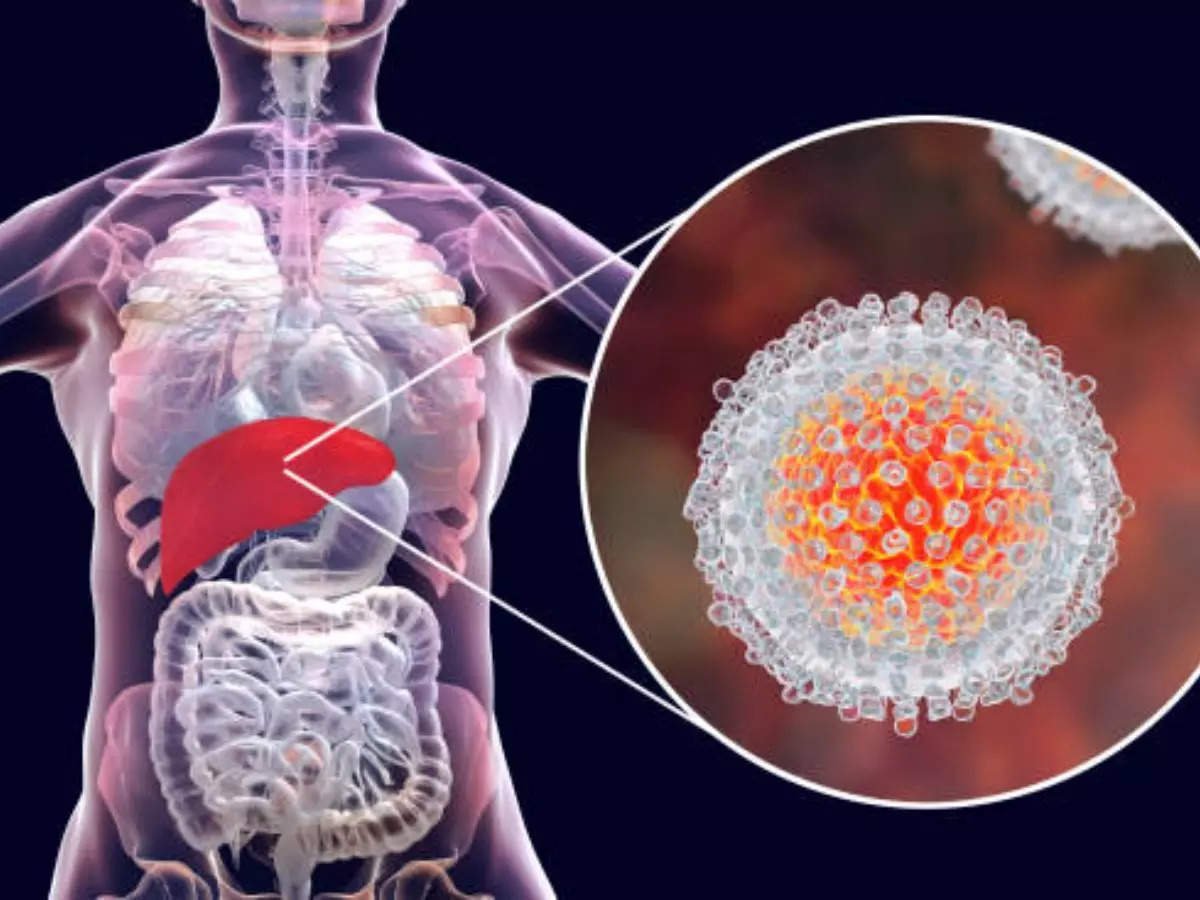
New Delhi, 27 July 2025: Hepatitis B continues to pose a major global health threat, infecting over 250 million people worldwide and causing close to 900,000 deaths annually due to complications like liver failure, cirrhosis, and cancer. Yet, a new report published by The Lancet warns that life-saving treatments for Hepatitis B remain critically underused, especially in low- and middle-income countries. The journal stresses the urgent need to expand early access to treatment to prevent deaths and transmission.
What Is Hepatitis B? Know the Virus
Hepatitis B is a viral infection caused by the hepatitis B virus (HBV) that attacks the liver. It spreads through contact with infected blood or bodily fluids—commonly through sexual contact, sharing needles, or mother-to-child transmission during birth. The virus can cause both acute and chronic infections. While many people clear the infection on their own, some go on to develop chronic Hepatitis B, which can last a lifetime and lead to serious liver problems.
Antivirals Can Prevent Liver Failure and Cancer
The Lancet report emphasizes that while vaccines prevent new infections, those already infected rely heavily on antiviral drugs like Tenofovir and Entecavir. These medications are affordable, widely available, and highly effective at suppressing the virus, preventing liver damage, and significantly reducing the risk of liver cancer. Yet, only around 10% of patients worldwide receive appropriate treatment. This treatment gap, experts warn, is leading to unnecessary deaths and long-term disability.
Why Early Diagnosis and Treatment Are Crucial
The major challenge is that Hepatitis B often remains “silent” for years, with symptoms only emerging after liver damage has already occurred. Early testing and diagnosis—especially among high-risk populations like pregnant women, healthcare workers, and people with HIV—is crucial to ensure timely intervention. According to the report, scaling up screening and prompt treatment can help prevent mother-to-child transmission and save countless lives.
Vaccines Are The First Line of Defense
Vaccination against Hepatitis B is one of the most effective tools for eliminating the virus. The HBV vaccine is safe, over 95% effective, and typically administered in a series of three doses, starting at birth. Universal newborn vaccination has drastically reduced infection rates in many countries. Yet, global coverage remains uneven. Expanding access to vaccines, especially in underserved regions, is key to breaking the chain of transmission.
Global Response Still Falling Short
Despite the World Health Organization’s (WHO) goal to eliminate viral hepatitis as a public health threat by 2030, progress has been slow. The Lancet report criticizes governments for a lack of political will, underfunded programs, and poor integration of hepatitis services into broader health systems. It calls for urgent reforms, including making testing more accessible, training healthcare workers, and investing in treatment and vaccine infrastructure.
Hepatitis B is a preventable and treatable disease. With effective vaccines and antiviral drugs already available, the tools to end this global threat exist—but the will and systems to implement them at scale do not. Experts urge world leaders to take immediate action to close the treatment gap, expand access to vaccines, and integrate Hepatitis B care into national health programs. Doing so could save millions of lives and move the world closer to eliminating this deadly disease.













Leave a comment