

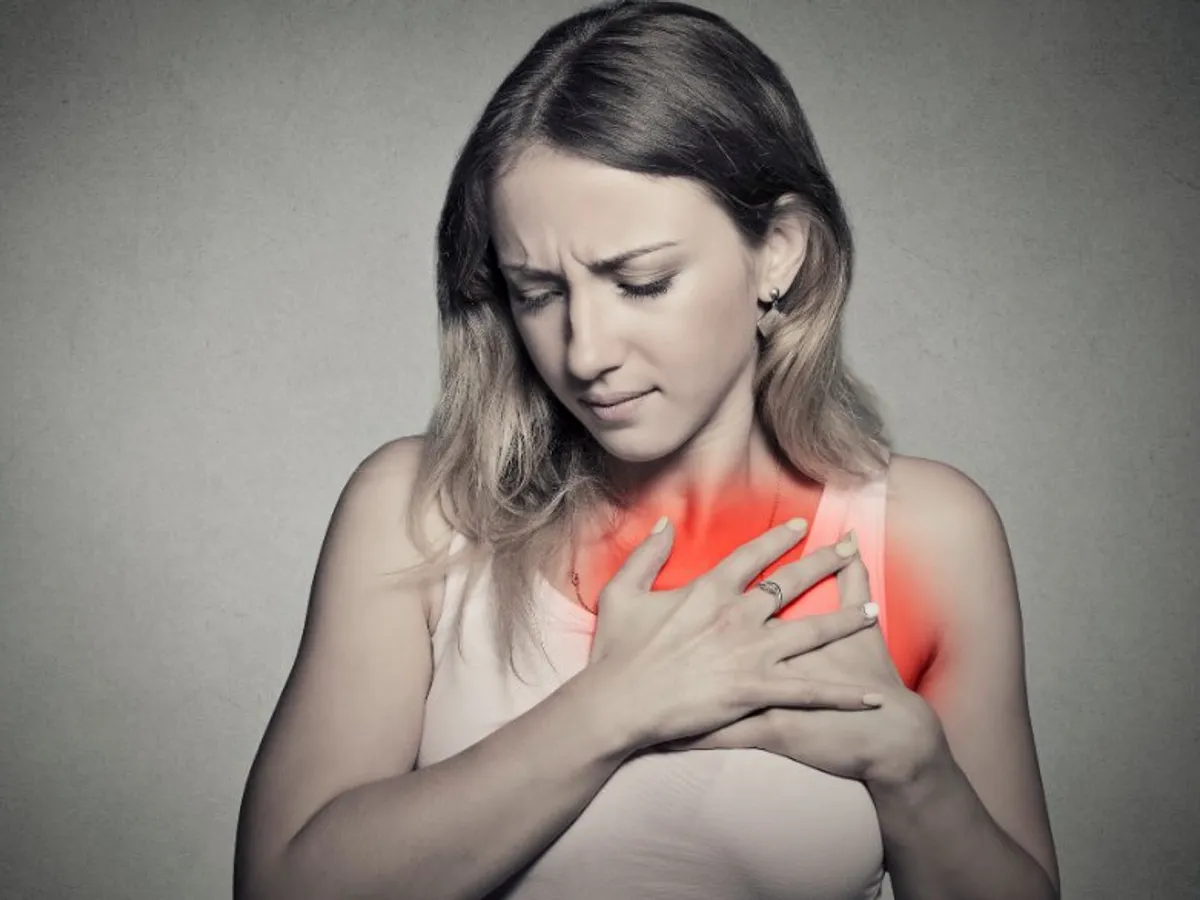
With a demanding lifestyle to fullfil many people are abandoning their health and heart disease is becoming very common. Although heart problems used to be limited to the elderly they are currently taking hold of the youth as well. Hence, it is important to ensure that heart checkup is done promptly so that any serious issues can be avoided at an early stage.
Firstly, it is essential to learn that the body gives certain signals that cannot be disregarded. You may have heart health issues if you are having chest pain, pressure, difficulty breathing, irregular heartbeat or sudden extreme fatigue. Moreover, individuals who have a heart disease problem in their family should be particularly cautious. And in case a parent or sibling has had heart issues, then one should start heart checkups after age 30-35 to facilitate early detection of risks.
When is the right time to have your heart checked?
30-35 yrs: Everyone should have a baseline heart test after the age of 30. This first checkup provides a baseline for future reference so it is clearer to see any changes that occur over the course of time.
Family history: When someone in your family has had an issue with their heart then you should also get your heart checked periodically.
Blood pressure and obesity: It is safer to begin regular checkups at the age of 25 if an individual has diabetes, high blood pressure, obesity and chronic stress. Heart problems are more likely to occur in these scenarios than otherwise.
Do not wait for symptoms
We live in a busy world where we experience irregular schedules, junk food, smoking, alcohol and lack of exercise slowly taking their toll on the heart. Thus, it is not appropriate to wait until the symptoms appear. Risk factors can be easily detected before they occur and prevented early by taking regular checkups.
How is the heart checked?
A heart check-up typically includes blood pressure, blood sugar and cholesterol tests. Whereas other tests such as ECG and echocardiography are used to determine how the heart functions. A treadmill test (TMT) is also done if necessary to identify how the heart is performing during physical activity. The combination of these tests gives a clear outcome of heart health. In case of any heart issues are detected they they are treated immediately.
What are the symptoms of heart disease?
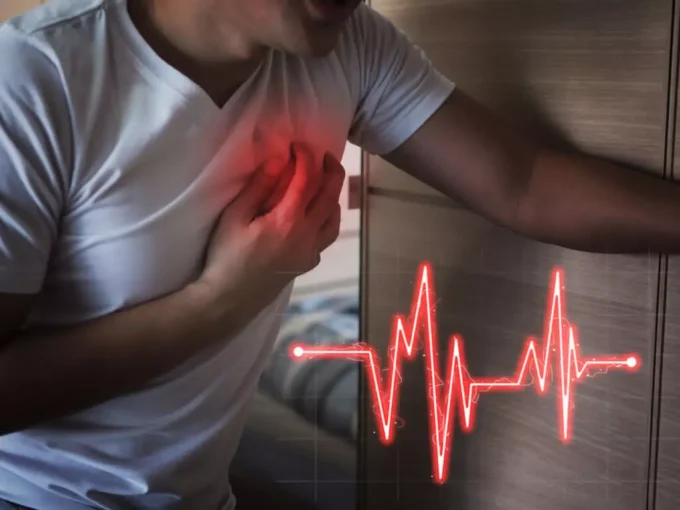
Symptoms related to heart disease include:
- Chest pain
- Breathlessness
- Fast or irregular heartbeat
- Lightheadedness or bizarre fatigue
These symptoms are worth pointing out but heart disease does not necessarily have evident symptoms. Early diagnosis of the disease through timely heart checkups would not only help avoid complications but also treat the disease. Moreover, it is possible to keep a healthy heart in the long run by making the required lifestyle changes.
The content is only for informational purposes. It is not at all professional medical advice. Always consult your doctor or a healthcare specialist for any questions regarding your health or a medical condition.









Leave a comment