Heart attacks were once considered a disease of old age. Today, that assumption is dangerously outdated. Across India, doctors are witnessing a worrying surge in heart attacks among people in their 20s and 30s—many of whom appear fit, active, and otherwise healthy. This silent shift has raised urgent questions about what is driving cardiovascular disease in younger Indians and why traditional warning signs are often missed.
A Growing Crisis Among Young Indians
Recent hospital data and clinical observations show that nearly 25–30% of heart attack cases in India now occur in people under 40, a trend far higher than in many Western countries. What makes this particularly alarming is that younger patients often suffer more severe outcomes because they are less likely to recognize symptoms early or seek immediate care. Many dismiss chest discomfort, fatigue, or breathlessness as stress, acidity, or muscle pain.
Chronic Stress: The Invisible Trigger
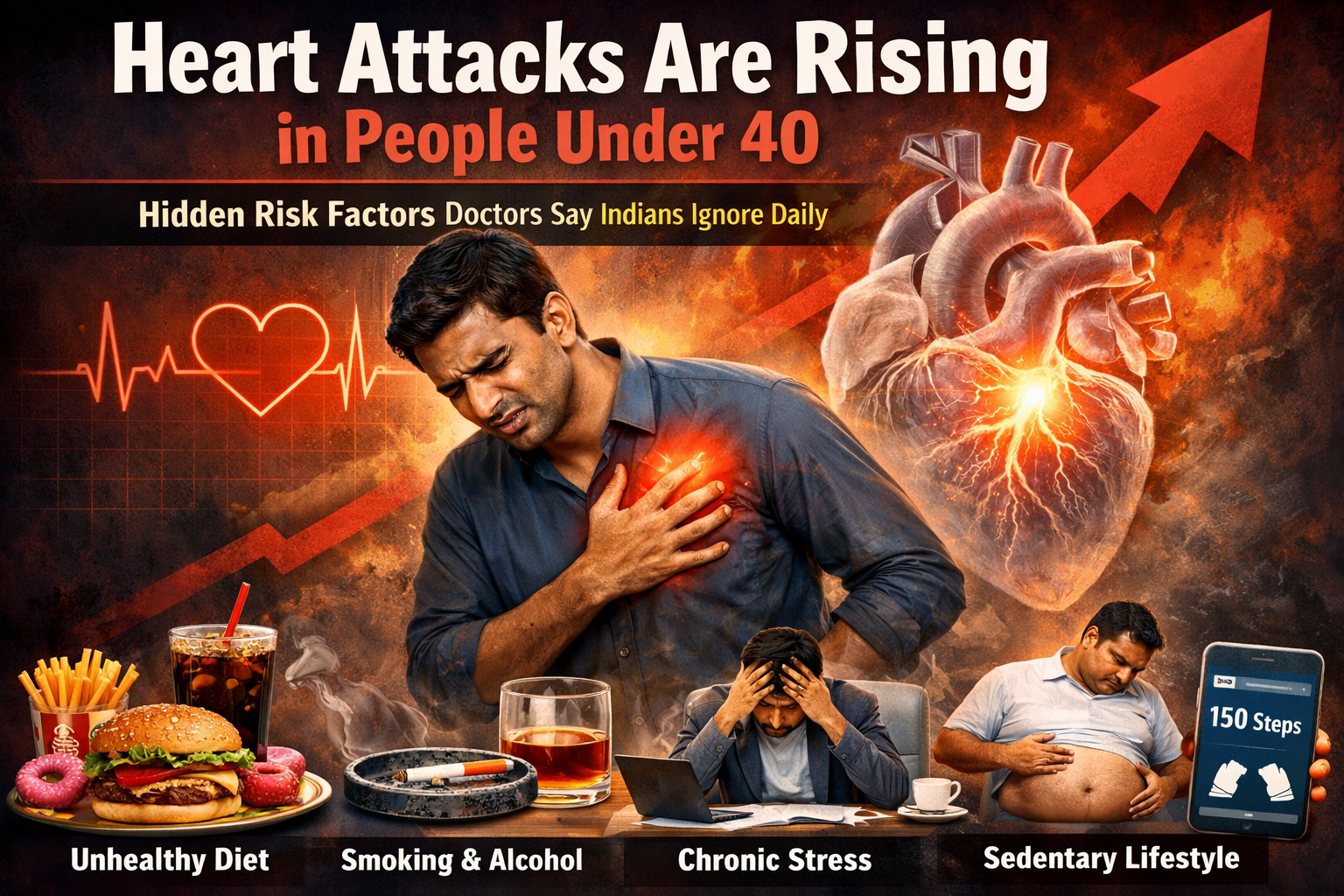
One of the biggest yet most ignored contributors is chronic psychological stress. Long working hours, job insecurity, financial pressure, poor work-life balance, and constant digital connectivity keep the body in a permanent “fight or flight” state. Elevated stress hormones such as cortisol and adrenaline increase blood pressure, raise blood sugar levels, and promote inflammation—creating the perfect environment for plaque buildup in arteries.
Over time, this stress silently damages blood vessels, even in young adults with no obvious symptoms.
Sedentary Lifestyle and Prolonged Sitting
Despite gym memberships and fitness apps, many young Indians remain largely sedentary. Sitting for long hours—especially at desks or while commuting—slows metabolism, reduces good cholesterol (HDL), and increases insulin resistance. Even people who exercise for 30–45 minutes a day are at risk if the rest of their day is spent sitting.
Physical inactivity also contributes to weight gain around the abdomen, a known driver of heart disease.
Poor Sleep and Irregular Schedules
Sleep deprivation has become normalized in modern life. Late-night screen time, shift work, binge-watching, and erratic sleep cycles disturb the body’s natural rhythm. Less than six hours of sleep per night is linked to higher blood pressure, increased inflammation, and abnormal cholesterol levels.
In young adults, poor sleep can accelerate arterial damage years before symptoms appear.
Unhealthy Diet and Ultra-Processed Foods
The Indian diet has undergone a dramatic shift. Traditional meals are increasingly replaced by high-salt, high-sugar, and high-fat processed foods. Excessive consumption of refined carbohydrates, sugary drinks, and trans fats increases triglycerides and bad cholesterol (LDL), promoting early plaque formation.
Skipping meals, eating late at night, and relying on packaged snacks further worsen metabolic health.
Smoking, Vaping, and Recreational Substance Use
While cigarette smoking remains a major risk factor, newer habits such as vaping, hookah, and recreational drug use are gaining popularity among the youth. These substances damage the inner lining of blood vessels, increase clot formation, and reduce oxygen supply to the heart—dramatically raising the risk of sudden cardiac events.
Undiagnosed Medical Conditions
Many young Indians live with undiagnosed hypertension, diabetes, or high cholesterol. Because symptoms may be absent, routine health checks are often skipped. Family history also plays a major role; those with parents or siblings who developed heart disease early are at significantly higher risk.
Air Pollution: A Silent Cardiac Threat
Air pollution is no longer just a lung problem. Fine particulate matter enters the bloodstream, triggering inflammation and increasing the risk of heart attacks—even in otherwise healthy individuals. Urban Indians are particularly vulnerable due to prolonged exposure.
How To Stay Safe? Tips To Follow
The rise of heart attacks in people under 40 is not inevitable. Regular health screenings, stress management, balanced nutrition, quality sleep, and daily movement can dramatically reduce risk. Listening to early warning signs—such as chest discomfort, unexplained fatigue, or shortness of breath—can save lives.
Heart disease is no longer an old person’s problem. For young Indians, awareness and timely action may be the strongest protection against a growing epidemic.