

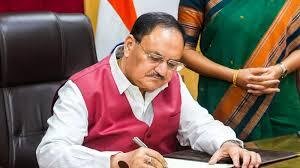
In light of the World Health Organization (WHO) declaring Monkeypox a Public Health Emergency of International Concern (PHEIC) on August 14, 2024, the Union Minister of Health & Family Welfare, Shri Jagat Prakash Nadda, conducted a detailed review of the situation. The meeting was held with senior officials of the Ministry to assess India’s preparedness.
No Cases in India, but Precautions Are in Place
As of now, there are no reported cases of Monkeypox in India. However, to ensure the country is prepared, several precautionary steps were decided during the meeting. The health units at all airports, seaports, and ground crossings will be sensitized, 32 laboratories are being readied for testing, and health facilities are gearing up to detect, isolate, and manage any potential cases.
Understanding Monkeypox: Transmission and Recovery
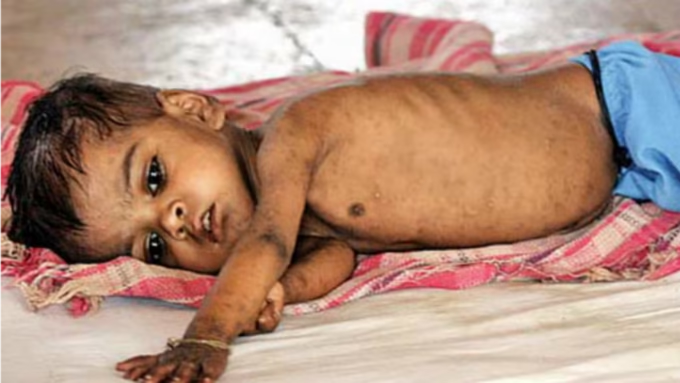
The meeting also highlighted key facts about Monkeypox. The infection typically lasts between 2-4 weeks and is usually self-limiting, meaning that most patients recover with supportive care. Monkeypox is mainly transmitted through prolonged close contact with an infected person. This can happen through the sexual route, direct contact with body fluids or lesion fluids, or contact with contaminated clothing or bedding.
Global Perspective and India’s Experience
Monkeypox was previously declared a PHEIC by WHO in July 2022, but this status was revoked in May 2023. Since 2022, there have been 99,176 cases and 208 deaths worldwide across 116 countries. In India, 30 cases were reported since the 2022 declaration, with the last case recorded in March 2024.
Expert Review and Continued Monitoring
A Joint Monitoring Group Meeting chaired by the Director General of Health Services was held on August 16, 2024, to further review the situation. Experts from the National Centre for Disease Control (NCDC), WHO, Indian Council of Medical Research (ICMR), and other key health institutions participated. While there may be a few imported cases in the coming weeks, experts assessed that the risk of a major outbreak in India is currently low.
The Ministry of Health is closely monitoring the situation to ensure the country remains vigilant and prepared for any potential cases.










Leave a comment