

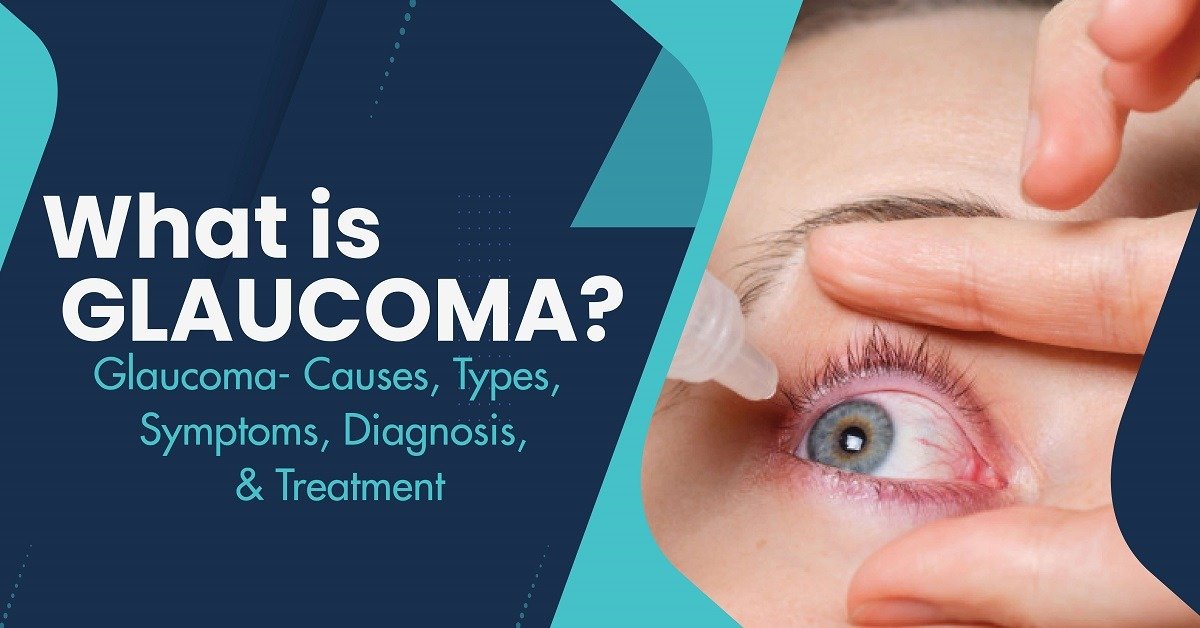
Glaucoma is often called the “silent thief of sight” because it can damage vision slowly and quietly, often without noticeable symptoms in its early stages. Many people do not realize they have the condition until significant vision loss has already occurred. According to the World Health Organization (WHO), glaucoma is one of the leading causes of irreversible blindness worldwide. The good news is that early detection and timely treatment can help slow down the progression of the disease and protect your eyesight.
What Is Glaucoma?
Glaucoma is a group of eye conditions that damage the optic nerve, the part of the eye responsible for sending visual information from the retina to the brain. This damage is commonly caused by increased pressure inside the eye, also known as intraocular pressure. Over time, this pressure can harm the delicate optic nerve fibers, leading to gradual vision loss.
If left untreated, glaucoma can eventually cause permanent blindness. Because the condition develops slowly, many people fail to notice any change in their vision until the disease has advanced.
Why Glaucoma Is Called the ‘Silent Thief’
One of the biggest challenges with glaucoma is that it rarely causes pain or obvious symptoms in the early stages. Vision loss often begins with the peripheral or side vision, which most people may not notice during everyday activities.
By the time central vision is affected, significant damage to the optic nerve may have already occurred. This is why regular eye examinations are essential, especially for people over the age of 40 or those with a family history of eye diseases.
READ MORE: Digital Eye Strain And Mental Fatigue: How Screen Overload Is Affecting Young Professionals
Early Warning Signs You Should Not Ignore
Although glaucoma is often symptomless in its early stages, some warning signs may appear as the disease progresses. Being aware of these signs can help you seek medical attention early.
1. Gradual loss of peripheral vision
One of the earliest signs of glaucoma is the slow loss of side vision. People may feel like their field of vision is narrowing.
2. Blurred vision
Some individuals may notice occasional blurred vision, especially when eye pressure fluctuates.
3. Eye pain or pressure
In certain types of glaucoma, particularly acute glaucoma, people may experience sudden eye pain or pressure.
4. Seeing halos around lights
Bright lights may appear surrounded by rainbow-like halos, especially at night.
5. Redness in the eye
Persistent eye redness combined with discomfort or blurred vision could be a warning sign.
6. Frequent headaches
Headaches around the eyes may also occur in some cases of glaucoma.
Who Is at Higher Risk?
Certain factors can increase the risk of developing glaucoma. Age is one of the most significant risk factors, particularly for people over 40. Family history also plays an important role, as the condition can run in families.
Other risk factors include diabetes, high blood pressure, long-term steroid use, eye injuries, and extreme nearsightedness. People with these conditions should undergo regular eye screenings to detect problems early.
READ MORE: Holi 2026: Essential Eye Care Tips to Follow Before and After Playing With Colours
Can Glaucoma Be Prevented?
While glaucoma cannot always be prevented, early diagnosis and treatment can significantly slow its progression. Regular eye check-ups are the most effective way to detect glaucoma before vision loss begins.
Doctors may recommend medications such as eye drops to reduce eye pressure. In some cases, laser treatment or surgery may be necessary to prevent further damage to the optic nerve.
Protecting Your Vision
Maintaining healthy lifestyle habits can also support eye health. Staying physically active, eating a balanced diet rich in antioxidants, managing blood pressure, and protecting your eyes from injury are simple steps that can make a difference.
Most importantly, do not ignore subtle changes in your vision. Even minor symptoms can be early indicators of a larger issue. Early diagnosis can make the difference between preserving vision and permanent sight loss. Glaucoma may be silent, but awareness and timely care can help stop it from stealing your sight.














Leave a comment