

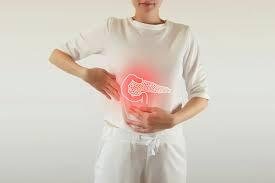
Gallstones and pancreatitis are two health issues that can significantly affect a woman’s well-being. Understanding the link between these conditions can help in early detection and better management. This article will explore what gallstones and pancreatitis are, how they are connected, and what women can do to prevent these problems.
What Are Gallstones?
Gallstones are small, hard deposits that form in the gallbladder, a small organ located under the liver. The gallbladder stores bile, a digestive fluid produced by the liver. Gallstones can vary in size and may not always cause symptoms. However, when they do, the pain can be severe and may require medical attention.
Understanding Pancreatitis
Pancreatitis is the inflammation of the pancreas, an organ that plays a crucial role in digestion and blood sugar regulation. This condition can be acute (sudden and severe) or chronic (long-lasting). Symptoms of pancreatitis include upper abdominal pain, nausea, vomiting, fever, and a rapid pulse. Severe cases can lead to complications and require hospitalization.
The Link Between Gallstones and Pancreatitis
The connection between gallstones and pancreatitis lies in the bile and pancreatic ducts. Gallstones can block the bile duct, which can lead to the backup of digestive fluids into the pancreas, causing inflammation. This blockage can trigger an acute pancreatitis episode, which can be life-threatening if not treated promptly.
Risk Factors for Women
Certain factors increase the risk of gallstones and pancreatitis in women. These include:
1. Hormonal Changes: Pregnancy, birth control pills, and hormone replacement therapy can increase the risk of gallstones due to changes in bile composition.
2. Obesity: Excess body weight can lead to higher cholesterol levels in bile, contributing to gallstone formation.
3. Diet: High-fat and high-cholesterol diets can increase the risk of gallstones.
4. Age: Women over 40 are more likely to develop gallstones.
Prevention and Management
To reduce the risk of gallstones and pancreatitis, women can take several preventive measures:
1. Maintain a Healthy Weight: Regular exercise and a balanced diet can help maintain a healthy weight and reduce the risk of gallstones.
2. Eat a Healthy Diet: Incorporate plenty of fruits, vegetables, and whole grains while limiting high-fat and high-cholesterol foods.
3. Stay Hydrated: Drinking plenty of water helps keep bile in the gallbladder from becoming too concentrated.
4. Regular Check-ups: Routine medical check-ups can help detect early signs of gallstones and other related health issues.
Understanding the link between gallstones and pancreatitis is crucial for women’s health. By recognizing the symptoms, knowing the risk factors, and taking preventive steps, women can better manage their health and reduce the risk of these conditions. If you experience severe abdominal pain or other related symptoms, it is important to seek medical attention promptly.








Leave a comment