

New Delhi, 12 May 2025: Diabetes, particularly when poorly managed, can significantly increase the risk of heart attacks and other cardiovascular diseases. In fact, diabetes-induced heart attacks are one of the leading causes of death among people with type 2 diabetes. But how exactly does high blood sugar contribute to cardiac arrests? This article explores the dangerous link between elevated blood sugar levels and heart health.
How High Blood Sugar Affects the Heart
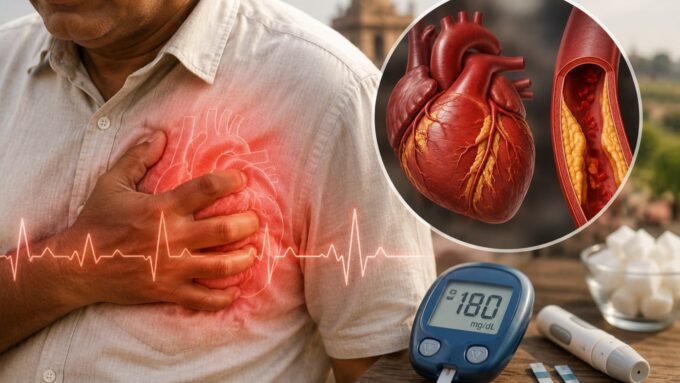
When blood sugar levels remain consistently high, it damages blood vessels and the nerves that control the heart. This long-term exposure to hyperglycemia can lead to inflammation, arterial stiffness, and plaque buildup, all of which are major risk factors for heart attacks. Over time, this can result in atherosclerosis – the narrowing or hardening of arteries – which reduces blood flow to the heart and raises the chance of a heart attack.
Diabetes and Hypertension: A Dangerous Combo
Many people with diabetes also suffer from high blood pressure, further compounding the strain on the heart. When high blood pressure is combined with elevated blood sugar, it accelerates the damage to the arterial walls. This makes diabetics two to four times more likely to experience a cardiovascular event than those without diabetes.
The Role of Insulin Resistance
One of the core issues in type 2 diabetes is insulin resistance. When the body doesn’t respond properly to insulin, blood glucose levels remain high. This leads to oxidative stress, increased bad cholesterol (LDL), and lower levels of good cholesterol (HDL). These changes contribute to the formation of clots, which can block arteries and cause a sudden heart attack.
Silent Symptoms: Why Diabetic Heart Attacks Are Deadly
One of the most frightening aspects of diabetes-related heart disease is that symptoms can often be silent. People with diabetes may not experience the typical signs of chest pain or tightness due to diabetic neuropathy, which affects nerve endings. This means heart issues may go undetected until a major cardiac event occurs.
Warning Signs to Watch For
Even though some heart attacks can occur without warning in diabetics, some subtle signs should never be ignored:
- Unexplained fatigue or weakness
- Shortness of breath
- Dizziness or light-headedness
- Sudden sweating
- Discomfort in the neck, jaw, back, or arms
Recognizing these early signs and seeking immediate medical help can be life-saving.
Prevention: Managing Blood Sugar to Protect Your Heart
The good news is that diabetes-induced heart attacks can be prevented with the right care. Here’s how:
- Maintain optimal blood sugar levels
- Follow a heart-healthy diet rich in fiber, lean proteins, and good fats
- Exercise regularly – even 30 minutes of walking a day can help
- Quit smoking and limit alcohol
- Get regular health checkups and monitor blood pressure and cholesterol
The connection between diabetes and heart attacks is real and potentially fatal. But with proactive blood sugar management and lifestyle changes, the risk of cardiac death can be drastically reduced. If you or someone you love has diabetes, prioritizing heart health is essential for a longer, healthier life.
















Leave a comment