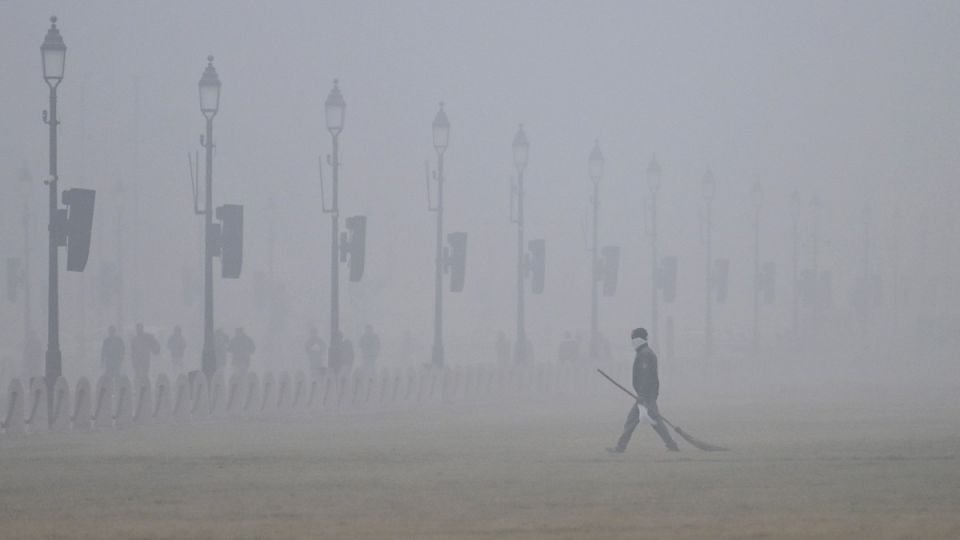
As Delhi braces for an intense cold wave, health experts are warning residents to stay alert. With temperatures dipping sharply, the risk of several cold-related illnesses rises significantly. Prolonged exposure to cold, poor air quality, and weakened immunity during winter can trigger infections and chronic health problems, especially among children, the elderly, and those with existing conditions.
Here are five diseases that may surge in Delhi as temperatures drop, along with expert-backed insights on prevention.
Respiratory Infections
Cold weather creates the perfect environment for viruses and bacteria to thrive. Diseases such as the common cold, flu, bronchitis, and pneumonia see a sharp rise during cold waves. Breathing cold air can irritate airways, while low immunity makes the body more vulnerable to infections.
People with asthma or chronic obstructive pulmonary disease (COPD) are at higher risk, as cold air can trigger wheezing and breathlessness. Wearing masks, avoiding early morning exposure, and staying warm can help reduce the risk.
Heart-Related Problems
Doctors warn that cold waves increase the chances of heart attacks and strokes. When temperatures drop, blood vessels constrict, causing a rise in blood pressure. This puts extra strain on the heart, increasing the risk of cardiac events, particularly in people with hypertension, diabetes, or a history of heart disease.
Experts advise avoiding sudden exposure to cold, staying physically active indoors, and maintaining prescribed medications during winter.
Joint Pain and Arthritis Flare-Ups
Cold weather often worsens joint stiffness and pain, especially among those suffering from arthritis. Lower temperatures reduce blood circulation to joints, increasing inflammation and discomfort. Elderly individuals may experience difficulty in movement, raising the risk of falls and injuries.
Keeping joints warm, gentle stretching, and adequate vitamin D intake can help manage winter-related joint pain.
Skin Conditions and Allergies
Winter dryness combined with cold winds can trigger skin problems such as eczema, psoriasis flare-ups, and severe dryness. Cold waves also worsen allergies due to increased indoor dust exposure and air pollution.
Dermatologists recommend moisturizing regularly, avoiding very hot showers, and staying hydrated to protect skin health during extreme cold.
Viral Infections and Weakened Immunity
Cold waves weaken the body’s immune response, making people more susceptible to viral infections. Seasonal illnesses such as viral fever, sinus infections, and throat infections become more common. Children and older adults are particularly vulnerable during prolonged cold spells.
Maintaining a balanced diet, consuming warm fluids, and getting adequate sleep can strengthen immunity during winter.
How To Stay Safe During Delhi’s Cold Wave
Health experts suggest layering warm clothing, avoiding outdoor exposure during peak cold hours, and staying physically active indoors. Adequate hydration, nutritious food, and timely medical consultation for early symptoms can prevent complications.
As Delhi faces severe cold wave conditions, staying informed and taking preventive measures is crucial. Being proactive about health can significantly reduce the risk of winter-related diseases and help residents stay safe during the harsh cold spell.