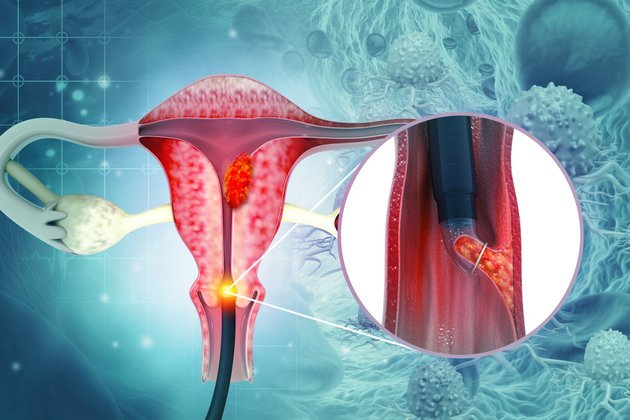
New Delhi, 12 January 2026: January is observed as Cervical Cancer Awareness Month, a time dedicated to spreading awareness about one of the most preventable yet deadly cancers affecting women worldwide. According to health experts, cervical cancer largely develops due to persistent infection with high-risk strains of the Human Papillomavirus (HPV). Despite advances in screening and vaccination, thousands of women continue to be diagnosed every year—often at advanced stages—due to lack of awareness, delayed testing, or social stigma.
What Is Cervical Cancer
Cervical cancer begins in the cells of the cervix, the lower part of the uterus that connects to the vagina. In its early stages, it may not cause noticeable symptoms, which is why regular screening is crucial. If left untreated, abnormal cervical cells can gradually turn cancerous over time.
Who Is at Risk of Cervical Cancer?
Health experts highlight that while any woman with a cervix can develop cervical cancer, certain groups face a higher risk.
1. Women infected with HPV
“Nearly 99% of cervical cancer cases are linked to persistent HPV infection,” explains Dr. (Expert), a gynecologic oncologist. HPV is a common sexually transmitted infection, and while most infections clear on their own, some high-risk strains can cause cellular changes in the cervix.
2. Women who have not received the HPV vaccine
The HPV vaccine significantly reduces the risk of cervical cancer. Girls and young women who miss vaccination—especially before becoming sexually active—remain more vulnerable.
3. Early sexual activity and multiple sexual partners
Starting sexual activity at a young age or having multiple partners increases exposure to HPV. “The risk is not about behavior alone, but about prolonged exposure to high-risk HPV strains,” experts emphasize.
4. Poor access to regular screening
Women who do not undergo routine Pap smears or HPV tests are at higher risk because precancerous changes often go undetected. Late diagnosis is one of the biggest reasons cervical cancer turns fatal.
5. Long-term use of oral contraceptives
Experts note that prolonged use of birth control pills (over five years) may slightly increase risk, though the benefits often outweigh the risks. Risk decreases after stopping the pills.
“Cervical cancer is one of the few cancers that is both preventable and detectable at a pre-cancer stage,” says Dr. (Expert). Early screening can identify abnormal cells years before they turn cancerous, and vaccination can prevent the majority of cases altogether.
Cervical Cancer Awareness Month 2026 is a reminder that knowledge, prevention, and early detection save lives. Understanding who is at risk—and why—can empower women to take proactive steps toward protecting their health and breaking the silence around cervical cancer.