As women cross the age of 50, their bodies begin to undergo profound biological shifts that are often dismissed as “normal ageing.” Hot flashes, fatigue, joint pain, sleep disturbances, anxiety, memory lapses — these symptoms are frequently brushed off as inevitable. But according to neuroscientists and health experts, there is a hidden mineral deficiency quietly driving many of these problems: magnesium.
Recent warnings from neuroscientists highlight a concerning reality — after menopause, the body may start pulling magnesium from bones to support vital organs, leaving skeletal health, brain function, and muscle strength at risk. This silent depletion can accelerate bone loss, worsen neurological symptoms, and raise the risk of chronic disease if left unaddressed.
Why Magnesium Matters More Than You Think
Magnesium is not just another dietary mineral. It is a critical regulator of over 300 biochemical reactions in the human body. From nerve signaling and muscle contraction to blood sugar control and bone formation, magnesium plays a central role in keeping the body functional and resilient.
In the brain, magnesium helps regulate neurotransmitters, supports synaptic plasticity (the brain’s ability to learn and adapt), and protects neurons from overexcitation — a process linked to anxiety, migraines, and neurodegenerative conditions. Neuroscientists often describe magnesium as a natural calming agent for the nervous system.
Yet, despite its importance, magnesium deficiency is widespread — and women over 50 are among the most vulnerable.
The Menopause–Magnesium Connection
The transition into menopause brings a sharp decline in estrogen levels. Estrogen is not just a reproductive hormone; it plays a crucial role in mineral absorption and bone metabolism. When estrogen drops, the body’s ability to retain magnesium weakens.
Neuroscientists warn that when dietary magnesium intake is insufficient, the body prioritizes survival. To maintain heart rhythm, nerve impulses, and muscle function, it “steals” magnesium from bones, where nearly 60% of the body’s magnesium is stored.
This process may happen silently, without obvious warning signs, until the consequences become severe — brittle bones, fractures, chronic pain, and neurological symptoms that seem unrelated at first glance.
How Magnesium Loss Affects Women After 50
1. Accelerated Bone Loss
Magnesium works alongside calcium and vitamin D to maintain bone density. Without enough magnesium, calcium metabolism becomes impaired, increasing the risk of osteopenia and osteoporosis. Even women who consume enough calcium may still experience bone loss if magnesium is lacking.
2. Increased Anxiety and Sleep Problems
Magnesium regulates the stress response by calming the nervous system and supporting GABA, a neurotransmitter that promotes relaxation. Deficiency has been linked to anxiety, irritability, insomnia, and restless sleep, symptoms commonly reported after menopause.
3. Muscle Cramps and Weakness
Low magnesium can lead to muscle spasms, leg cramps, tremors, and chronic fatigue. Many women mistake these signs for ageing, unaware that a mineral imbalance may be the real cause.
4. Brain Fog and Memory Issues
Neuroscientists emphasize magnesium’s role in cognitive health. Deficiency may contribute to poor concentration, forgetfulness, headaches, and even an increased risk of neurodegenerative diseases over time.
5. Higher Risk of Heart Disease and Diabetes
Magnesium helps regulate blood pressure, insulin sensitivity, and heart rhythm. Low levels have been associated with hypertension, irregular heartbeat, and type 2 diabetes, conditions that become more common after midlife.
Why Modern Diets Make the Problem Worse
Even before menopause, many women fail to meet daily magnesium requirements. Highly processed foods, refined grains, excess sugar, and caffeine all reduce magnesium intake or increase its loss through urine.
Stress — both physical and emotional — further depletes magnesium stores. Ironically, the very stage of life when women face increased caregiving responsibilities, work stress, and hormonal upheaval is also when their bodies need magnesium the most.
Neuroscientists warn that diet alone often falls short, unless women consciously include magnesium-rich foods daily.
Magnesium-Rich Foods Women Should Prioritize
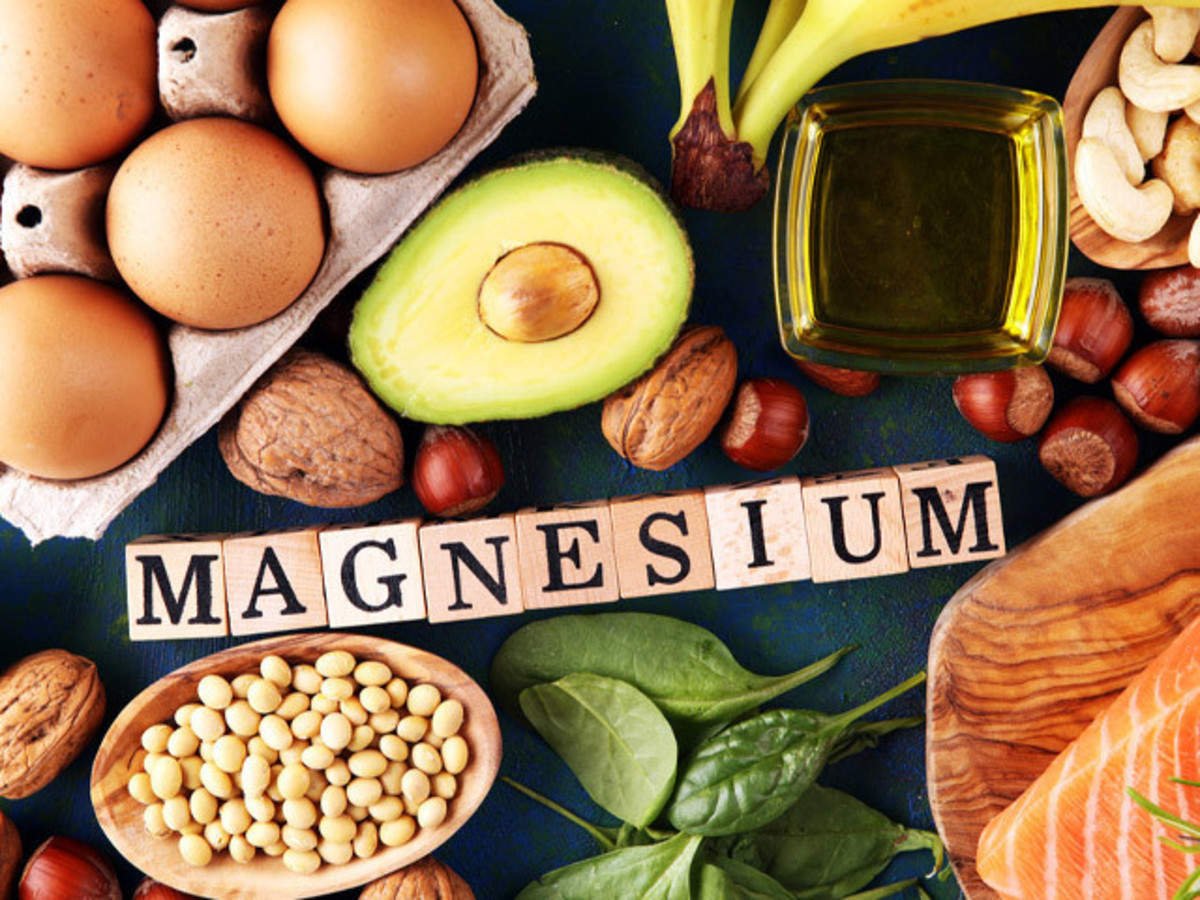
To protect bones, brain, and overall health after 50, experts recommend focusing on whole, nutrient-dense foods rich in magnesium:
- Leafy greens: Spinach, Swiss chard, kale
- Nuts and seeds: Almonds, pumpkin seeds, sunflower seeds, cashews
- Whole grains: Brown rice, quinoa, oats
- Legumes: Black beans, chickpeas, lentils
- Fruits: Bananas, avocados, figs
- Dark chocolate (70% cocoa or higher): A surprising but effective source
- Fatty fish: Salmon, mackerel
Consuming these foods regularly not only boosts magnesium intake but also provides fiber, antioxidants, and other minerals that work synergistically for better health.
Should Women Over 50 Consider Supplements?
While food should always be the first line of defense, neuroscientists acknowledge that supplementation may be necessary for some women, especially those with digestive issues, chronic stress, or existing bone loss.
Magnesium supplements come in different forms, including magnesium citrate, glycinate, and threonate — the latter often highlighted for its potential brain benefits. However, experts stress that supplements should be taken under medical guidance, as excessive intake can cause digestive upset or interact with medications.
Small Daily Habits That Protect Magnesium Levels
Beyond diet, lifestyle changes can help preserve magnesium stores:
- Reducing excessive caffeine and alcohol intake
- Managing stress through meditation, yoga, or walking
- Staying physically active to support bone remodeling
- Ensuring adequate vitamin D levels
- Avoiding crash diets or extreme calorie restriction
These habits work together to slow the mineral drain that accelerates after menopause.
Neuroscientists emphasize that magnesium deficiency is not just a nutrition issue — it is a women’s health crisis hidden in plain sight. The idea that the body pulls magnesium from bones after 50 underscores how urgently women need to rethink their dietary priorities during midlife.
Ageing does not have to mean fragility, mental fog, or chronic discomfort. With awareness, proper nutrition, and early intervention, women can protect their bones, brains, and vitality well into later life.
As experts warn, ignoring magnesium after 50 may cost more than energy — it may cost long-term independence and quality of life.