

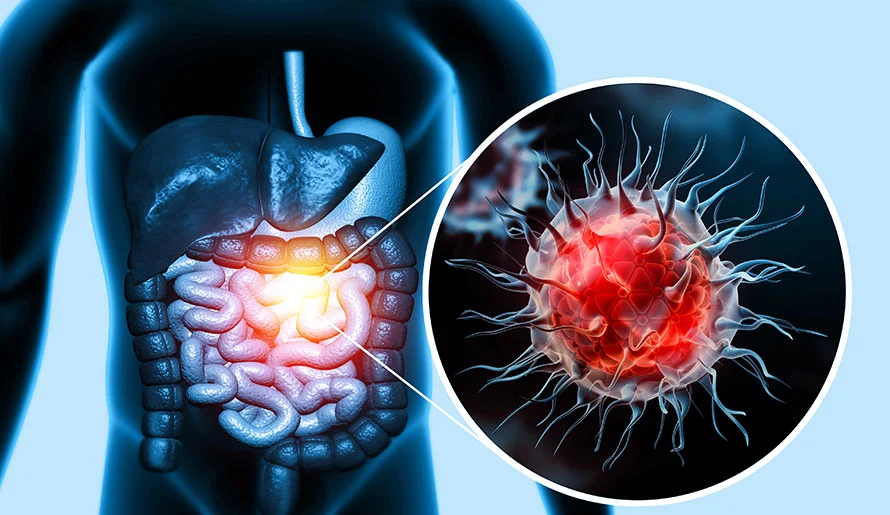
New Delhi, 11 August 2025: Colon cancer (or colorectal cancer) often begins quietly—without noticeable signs. However, by the time symptoms appear, the disease can be more advanced. Awareness of key warning signs is essential, as early detection significantly improves treatment outcomes. Here are six critical symptoms you should never ignore:
1. Change in Bowel Habits
Persistent changes in bowel movements—such as ongoing diarrhea, constipation, or otherwise altered consistency—are among the earliest signs of colon cancer. These changes are particularly worrisome if they last more than a few weeks or differ significantly from your usual pattern.
Also watch for thinner or ribbon-like stools, which may indicate a narrowing of the colon due to a growing tumor. Increased urgency, a feeling of incomplete evacuation, or alternating constipation and diarrhea may also point toward colon abnormalities.
2. Blood in Stool or Rectal Bleeding
Blood in your stool is a major warning sign. It may appear as bright red streaks or abrupt dark, tar-like stool if bleeding occurs higher in the colon.
Even when blood isn’t visible, microscopic (occult) bleeding detected via stool tests can be an important early indicator. While hemorrhoids and other benign causes exist, any blood in the stool should prompt medical evaluation.
3. Unexplained Weight Loss
Losing weight without trying—or without changes to diet or activity—is a red flag for many cancers, including colon cancer.
Tumors may increase the body’s metabolic demands or interfere with nutrient absorption, leading to unintended weight loss. This symptom is particularly concerning when accompanied by changes in bowel habits or other gastrointestinal issues.
4. Persistent Fatigue and Weakness
Chronic fatigue or weakness, especially when rest doesn’t improve it, may indicate underlying anemia or chronic blood loss—both of which can occur with colon cancer.
When these symptoms come along with others, such as weight loss or changes in stool, they become even more concerning and warrant medical attention.
5. Abdominal Pain, Discomfort, or Bloating
You may experience cramps, gas, abdominal discomfort, or a bloated feeling that doesn’t go away—particularly if it worsens over time.
A sense of fullness even after small meals or persistent abdominal pain may indicate a tumor obstructing or irritating the colon lining. These symptoms can sometimes mimic less serious digestive problems, which makes them easy to overlook.
6. Feeling of Incomplete Evacuation
This is the sensation that your bowel hasn’t fully emptied—also known as tenesmus. You may feel the urge to go again shortly after finishing.
This symptom can occur when a tumor in the rectum or lower colon causes blockage or irritation, preventing a complete bowel movement.
Why These Symptoms Matter
Overlapping Symptoms
These warning signs can stem from benign conditions like hemorrhoids, irritable bowel syndrome, or infections. However, when symptoms are persistent or multiple signs occur together, medical evaluation becomes essential.
Colon cancer is increasingly diagnosed in adults under 50. Many younger patients report ignoring early signs, assuming they were due to minor digestive issues.
Early Detection Saves Lives
Medical guidelines now recommend screening beginning at age 45—or earlier if risk factors or symptoms are present. Detecting colon cancer early greatly improves treatability, often requiring less invasive treatments and offering higher survival rates.
Colon cancer may begin quietly, but it doesn’t have to progress silently. The six symptoms—persistent bowel changes, blood in stool, unexplained weight loss, ongoing fatigue, abdominal pain/bloating, and sensation of incomplete evacuation—are signals you should never ignore.
Early detection is not just about catching cancer early—it’s about giving yourself the best chance at successful, less aggressive treatment and long-term survival. If something feels off, listen to your body and seek medical help without delay.

















Leave a comment