Home Health News Cardiology 5 Signs of a Heart Attack That Could Show Up a Month Before
CardiologyHealth News

5 Signs of a Heart Attack That Could Show Up a Month Before

Share
Heart Attack
Heart Attack
Share

New Delhi, 09 October 2025: Heart attacks rarely strike out of the blue. In fact, your body may start showing subtle signs up to a month in advance—long before the actual cardiac event occurs. Unfortunately, many people ignore these symptoms or mistake them for minor health issues like indigestion, fatigue, or anxiety.

With cardiovascular disease remaining the leading cause of death globally, it’s crucial to recognise these early warnings and act fast. Here’s a detailed look at 7 signs of a heart attack that could appear a month before, and what you should do if you experience them.

Why Early Detection Matters

Heart attacks (also called myocardial infarctions) occur when the blood flow to a part of the heart is blocked, usually by a blood clot or plaque buildup. Catching the warning signs early can allow doctors to intervene before major damage is done.

Ignoring the signs may lead to irreversible heart muscle damage—or even death. The earlier you act, the better your chances of survival and recovery.

1. Unusual Fatigue

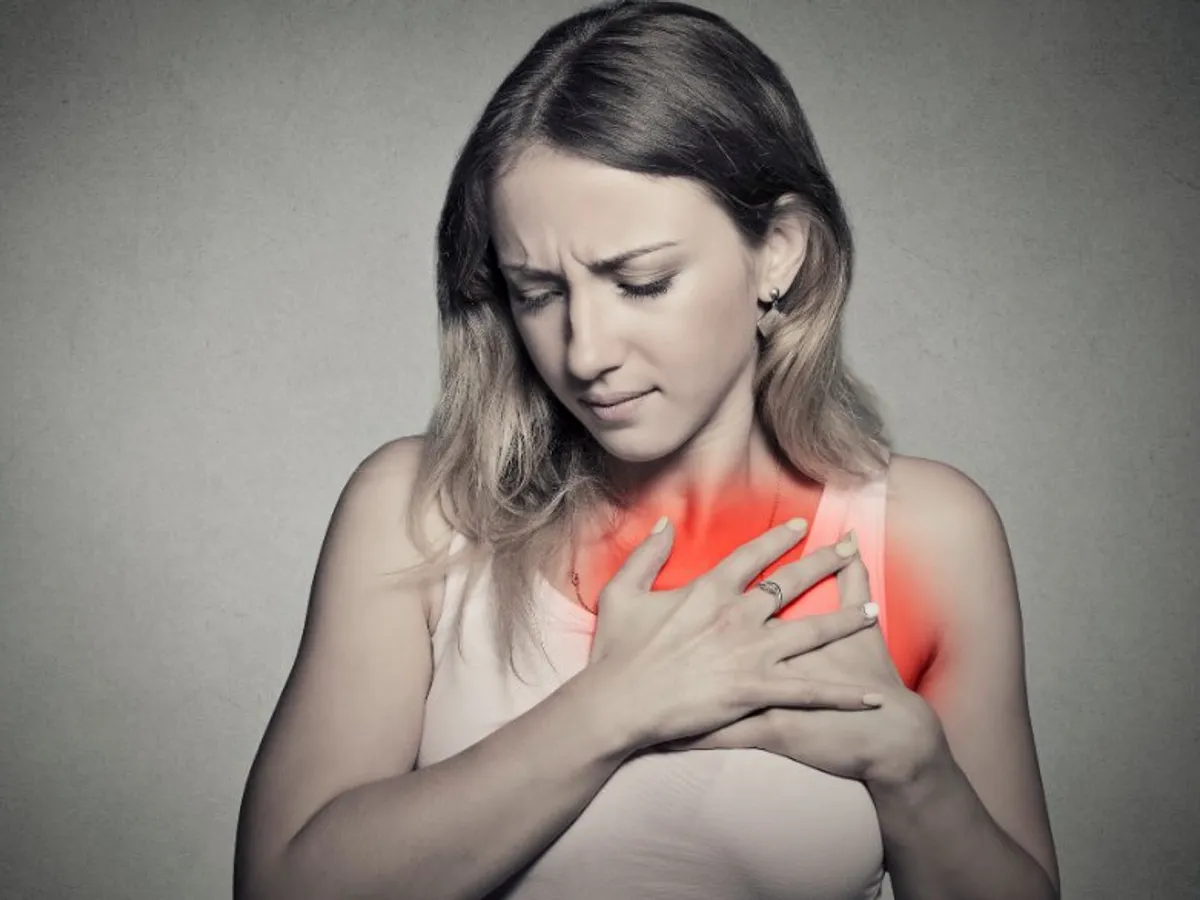
One of the most common early signs, especially in women, is unexplained and persistent fatigue. You may feel unusually tired even after adequate rest or find simple tasks like walking up stairs or carrying groceries more exhausting than usual.

2. Chest Discomfort (Even Mild)

Chest pain is the classic symptom of a heart attack, but it can appear much earlier in milder forms. It might feel like:

  • A dull ache
  • Pressure or heaviness
  • Burning (mistaken for heartburn)
  • Tightness or squeezing

When to worry:

If the discomfort lasts more than a few minutes or comes and goes, especially during activity or stress, it may be a sign of a blocked artery.

3. Shortness of Breath

If you’re suddenly gasping for air while doing normal activities like walking or talking, it could be due to reduced heart efficiency.

This happens because the heart struggles to pump enough blood, causing fluid buildup in the lungs.

4. Sleep Disturbances

According to studies, many people experience trouble sleeping in the weeks leading up to a heart attack. You may feel:

  • Restless at night
  • Trouble falling or staying asleep
  • Waking up feeling anxious or short of breath

This could be linked to reduced oxygen levels or stress hormones affecting the cardiovascular system.

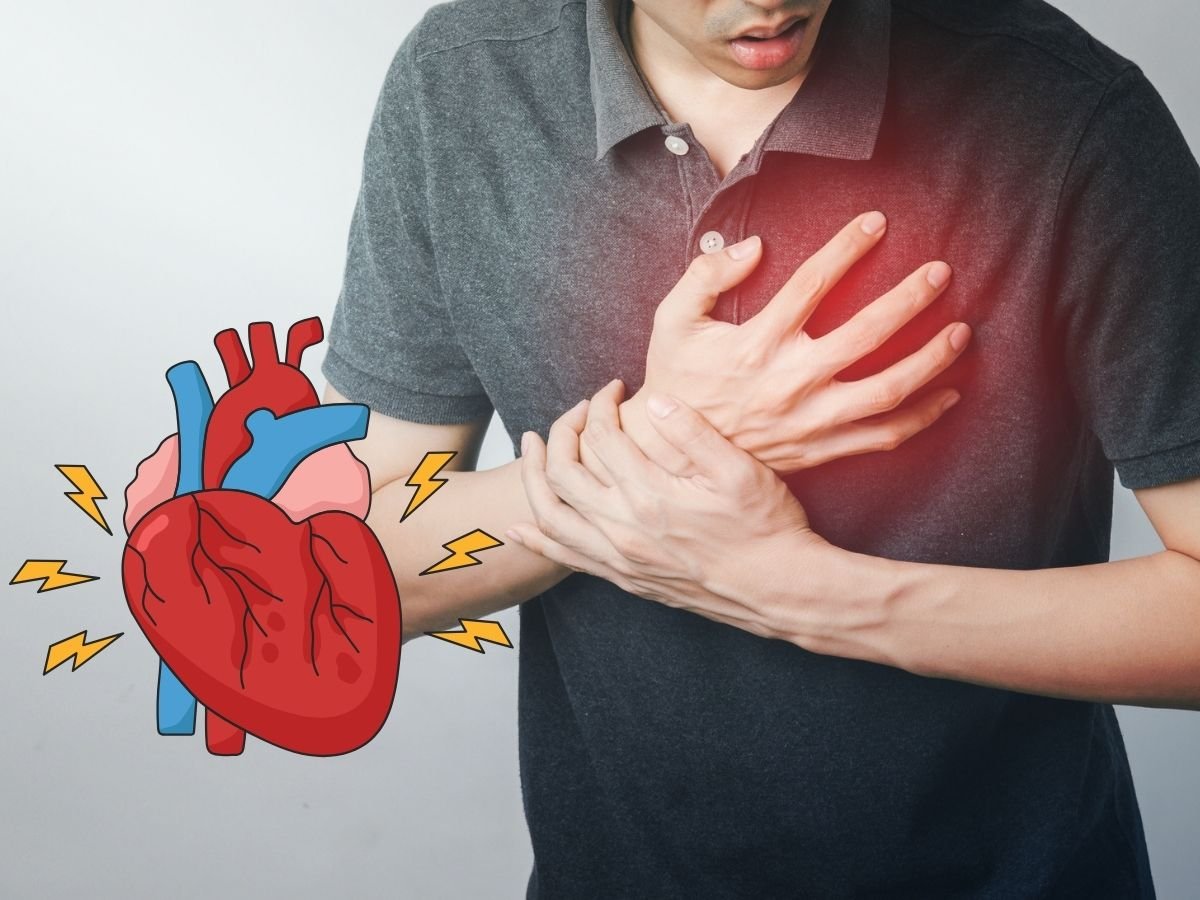
5. Jaw, Neck, Shoulder, or Back Pain

Referred pain is a hallmark of heart-related issues, especially in women. Instead of chest pain, you may feel aching or tightness in:

  • Jaw or throat
  • Upper back or between shoulder blades
  • Shoulders or arms (especially left side)

Pain can be dull or sharp and may come and go. If it occurs during physical exertion and improves with rest, it’s more likely heart-related.

Heart attacks don’t always come with a dramatic collapse. Often, the body whispers before it screams. Listening to those whispers — whether it’s unexplained fatigue, mild chest pressure, or sleep changes — could save your life.

Recognising these 7 early signs of a heart attack and acting fast can lead to early diagnosis, timely treatment, and better outcomes. When in doubt, seek medical help — because your heart health is worth it.


Share
Written by
kirti Shah

Kirti is a Senior Health Editor at Healthwire Media, specializing in health journalism and digital health communication. With over four years of experience in the healthcare media landscape, she is dedicated to transforming complex clinical data into accessible, patient-friendly information. Kirti oversees the editorial lifecycle of every article, ensuring they meet rigorous fact-checking standards and align with the latest guidelines from primary sources like the WHO and Ministry of Health. In her role, Kirti works closely with a panel of board-certified physicians and medical reviewers to ensure that every piece of content published is not only easy to understand but also medically accurate and safe for the public. She is passionate about health literacy and helping readers navigate their wellness journeys with confidence.

Leave a comment

Leave a Reply

Your email address will not be published. Required fields are marked *

Don't Miss

Obstetrics & Gynecology

Fertility by Age: How Your Chances of Getting Pregnant Change at 25, 30, 35, and 40

A question that comes up frequently in fertility clinics is surprisingly simple: “Was there something I should have known earlier?” Often, the person...

Diet & Nutrition

Energy Drinks During Exams: Are They Helping or Harming Students’ Health? Experts Explain

Energy drinks during exams: It is a scene that is common that occurs across the globe on the eve of exam to feel...

skincare routine for women
Health Tips

Your Skin Barrier Is Damaged, Not Your Skin: Expert Dermatologists Share Tips to Repair and Strengthen It

In recent years, skincare has evolved from a beauty-focused routine to a science-backed approach centred on long-term skin health. The conversation is no...

healthy gut
Diet & Nutrition

Gut health and immunity: Why your microbiome plays a key role in preventing infections

The human digestive system is home to trillions of microorganisms collectively known as the gut microbiome. These include bacteria, viruses, and fungi that...

delhi heatwave
Health Tips

Heatwave health alert: Warning signs of heat exhaustion and how to stay safe in extreme heat

As temperatures continue to soar across many regions, heatwaves are becoming increasingly frequent and intense. Prolonged exposure to extreme heat can put serious...

Section title

Related Articles
Health News

Sonia Gandhi health update: Congress MP stable, on antibiotics; Rahul Gandhi visits Sir Ganga Ram Hospital

Senior Congress leader Sonia Gandhi has reportedly been diagnosed with bronchial asthma...

Cardiology

Heart checkups after 30: Early warning signs, risk factors and tests to prevent heart disease in young adults

With a demanding lifestyle to fullfil many people are abandoning their health...

Cardiology

Nighttime Heart Attack Risk Factors: 5 Most Common Causes of Cardiac Emergencies At Night

Heart attacks are often associated with daytime stress and activity, but many...