

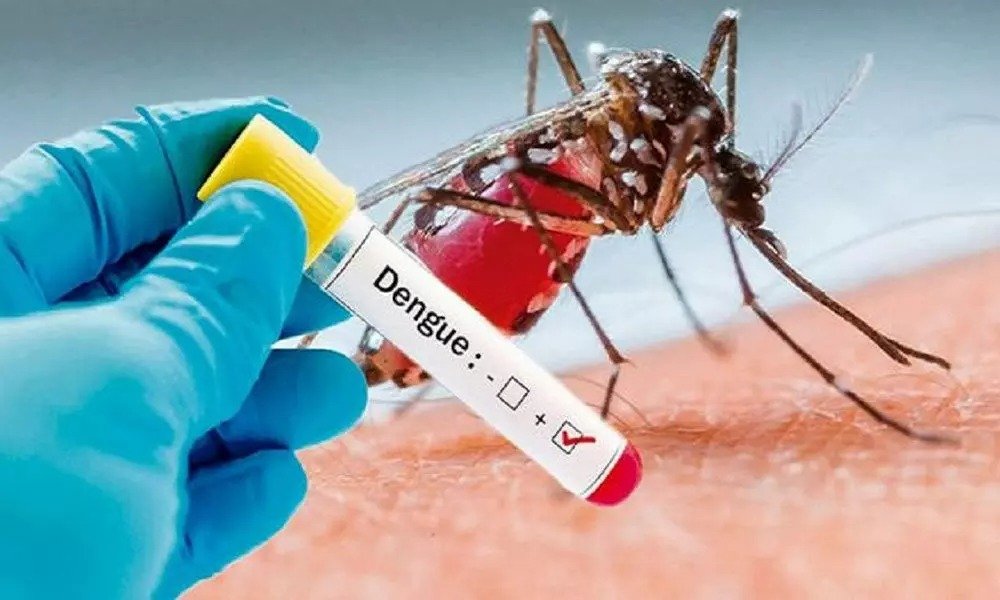
New Delhi, September 29: The city of Lucknow has been thrown into mourning as it reports the first dengue death of the season. An 18-year-old succumbed to the disease, highlighting the serious health risks associated with this mosquito-borne illness.
This comes a week after at least three dozen people in the state capital reportedly tested positive for dengue, bringing the total number of cases to 284 this year. The majority of cases have been reported in August and September.
What Is Dengue: How Dangerous Is The Current Threat In India?
Dengue, transmitted by the Aedes aegypti mosquito, is characterized by high fever, severe headache, muscle and joint pain, nausea and vomiting, and a rash. While most cases are mild, severe dengue can lead to dengue hemorrhagic fever (DHF) and dengue shock syndrome (DSS), which can be life-threatening.
The recent death has raised concerns about the potential for a larger outbreak in Lucknow, especially as the monsoon season continues. Health officials are urging citizens to take necessary precautions to prevent the spread of dengue.
Factors Contributing to the Dengue Outbreak
Several factors are contributing to the increase in dengue cases in Lucknow:
Favorable Weather Conditions: The current weather conditions, with high temperatures and humidity, create an ideal breeding ground for Aedes aegypti mosquitoes.
Urbanization and Crowding: Lucknow’s rapid urbanization and dense population have led to increased mosquito breeding sites, such as stagnant water in construction sites, discarded containers, and clogged drains.
Lack of Awareness: Despite numerous awareness campaigns, many people remain unaware of the risks associated with dengue and the importance of preventive measures.
Resistance to Insecticides: The Aedes aegypti mosquito has developed resistance to certain insecticides, making it more difficult to control their populations.
Preventive Measures For Dengue
To prevent the spread of dengue, it is essential to take the following precautions:
Eliminate breeding grounds: Regularly clean and de-clutter your surroundings to remove stagnant water where mosquitoes can breed.
Use mosquito repellents: Apply insect repellent containing DEET or other effective ingredients to your skin and clothing.
Wear protective clothing: Cover your body with long sleeves and pants to minimize mosquito bites.
Maintain hygiene: Wash your hands frequently with soap and water.
Consult a doctor: If you experience any symptoms of dengue, seek medical attention immediately.
What Is the Government Doing?
The Lucknow Municipal Corporation has launched a massive campaign to combat the dengue outbreak. This includes fogging operations, awareness campaigns, and the deployment of rapid response teams to affected areas.
The health department is also urging citizens to cooperate with the government’s efforts and to take necessary precautions to protect themselves and their families from dengue.
The death of the 18-year-old is a stark reminder of the serious health risks associated with dengue. It is crucial for everyone to remain vigilant and take the necessary steps to prevent the spread of this disease.
In addition to dengue cases, a total of 379 malaria cases have been reported in Lucknow this year. As per Ritu Srivastava’s statements, the health department is proactively implementing measures, including measures on ground-level and awareness among people. Individuals play a crucial role in preventing mosquito breeding by ensuring there is no stagnant water, not even a spoonful, as this simple measure can reduce cases by 90%.















Leave a comment