

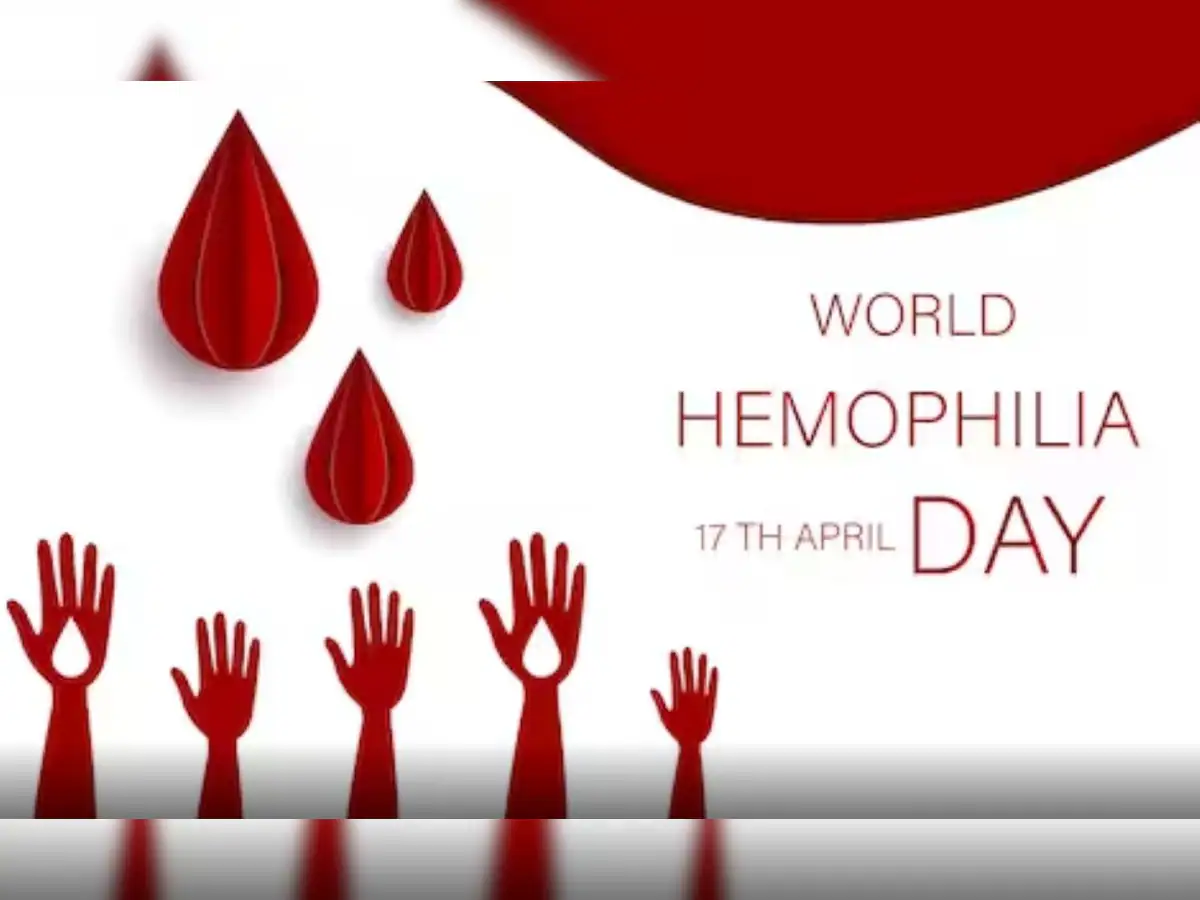
World Haemophilia Day 2024: Every year on April 17th, we commemorate World Haemophilia Day, a vital event aimed at highlighting haemophilia and other genetic bleeding disorders. With this piece, we want to illuminate this uncommon but important medical condition, focusing on its causes, varieties, manifestations, and treatments.
What Is Haemophilia?
Haemophilia is a hereditary disorder that hinders the body’s power to regulate clotting or coagulation of blood. This condition primarily affects men, although women can carry the gene too. Haemophilia is typically tied to a lack or deficiency of clotting factors in the blood, particularly factors VIII (8) or IX (9), which are essential for blood clot formation.
What Causes of Haemophilia?
The main triggers for haemophilia are genetic mutations that influence the genes responsible for clotting factors. Two primary forms of haemophilia exist: Haemophilia A, caused by a lack of clotting factor VIII, and Haemophilia B, caused by a lack of factor IX. These genetic changes typically pass from parents to offspring, accounting for the inherited nature of the disorder.
Types of Haemophilia
Haemophilia A: Commonly known as classic haemophilia, this is the most prevalent form and stems from a deficiency of clotting factor VIII. People with Haemophilia A often witness prolonged bleeding, especially following injuries or surgeries.
Haemophilia B: Also referred to as Christmas disease, this form is associated with a deficiency of clotting factor IX. While the symptoms closely resemble Haemophilia A, the specific clotting factor that’s lacking is different.
Signs and Symptoms of Haemophilia
Here are some of the signs and symptoms of haemophilia that one should know:
- Prolonged and unexplainable bleeding, especially from minor wounds
- Frequent, intense bruising
- Discomfort and inflammation in joints due to internal bleeding
- Blood presence in urine or feces
- Excessive bleeding from gums or nose
How To Deal With the Condition?
Although there isn’t a definite cure for haemophilia yet, appropriate treatment can help manage the condition effectively. The primary treatment involves replacing the absent clotting factors via intravenous feeding to control bleeding episodes and avert complications.
- Clotting Factor Replacement Therapy: This involves transfusion of clotting factors VIII or IX into the bloodstream to restore normal clotting function. The frequency of these infusions is adjusted according to the intensity of the disorder.
- Desmopressin (DDAVP): This medication can stimulate the release of clotting factors preserved in the body, proving beneficial to individuals with mild haemophilia.
- Gene Therapy: An emerging treatment strategy, gene therapy targets the genetic mutations causing haemophilia, potentially providing a long-term resolution.
World Haemophilia Day is crucial for edifying the public about this uncommon bleeding disorder and the hurdles faced by people living with haemophilia. Through a clear understanding of haemophilia’s causes, types, symptoms, and current treatment possibilities, we can extend our support to those afflicted and further encourage research for enhanced management strategies.
For more such updates and health related news and updates follow this site.















Leave a comment