Home Latest News World Childhood Cancer Day 2026: Why Childhood Cancer Is More Curable Than Most People Think, If Treated Early
Latest News

World Childhood Cancer Day 2026: Why Childhood Cancer Is More Curable Than Most People Think, If Treated Early

Share
Childhood Cancer
Childhood Cancer
Share

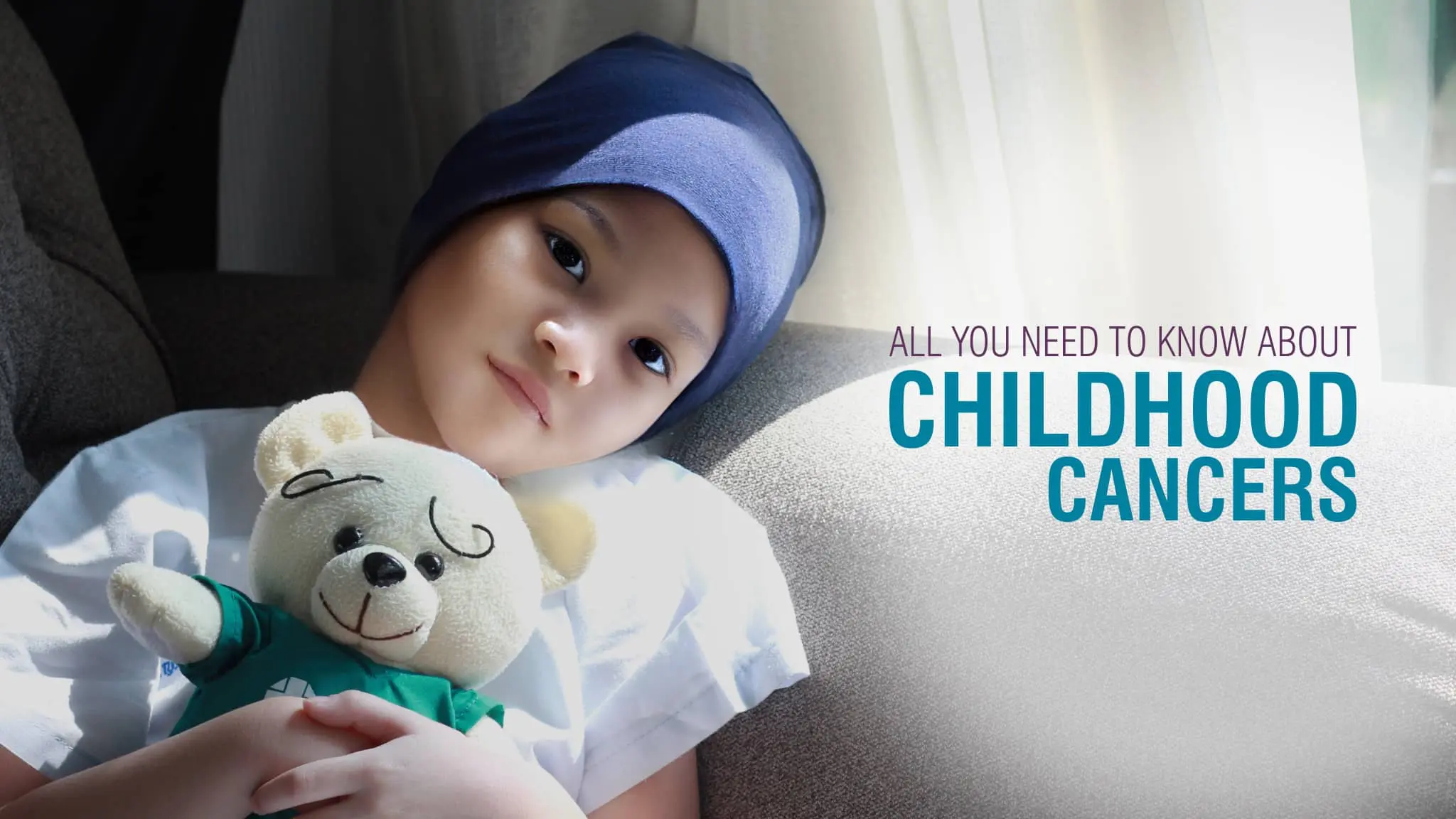
The word “cancer” is frightening at any age, but hearing it in connection with a child is especially heartbreaking. Many families immediately associate childhood cancer with hopelessness and fear. However, doctors and cancer specialists emphasize an important truth that most people don’t realize:

Childhood cancer is often far more curable than adult cancers — especially when diagnosed and treated early.

With major advances in pediatric oncology, survival rates for many childhood cancers have improved dramatically over the past few decades, offering hope to thousands of families worldwide.

Childhood Cancer Is Rare — But Treatable

Childhood cancers are relatively uncommon compared to adult cancers. They account for a small percentage of total cancer cases, but they remain one of the leading causes of disease-related death among children.

The most common childhood cancers include:

  • leukemia (blood cancer)
  • brain and spinal cord tumors
  • lymphoma
  • neuroblastoma
  • Wilms tumor (kidney cancer)
  • bone cancers like osteosarcoma

The encouraging news is that many of these cancers respond extremely well to treatment.

Survival Rates Are Higher Than Most People Expect

One of the biggest reasons childhood cancer is considered more curable is the significantly higher survival rate.

In many high- and middle-income countries, over 80% of children with cancer can now be cured with timely and appropriate treatment. Some cancers, such as certain types of leukemia, have cure rates above 90%.

Experts say the progress has been driven by:

  • improved chemotherapy protocols
  • better supportive care
  • advances in surgery and radiation
  • targeted therapies
  • early detection and monitoring

Why Childhood Cancer Responds Better to Treatment

Doctors explain that childhood cancers behave differently from adult cancers.

Unlike many adult cancers, which are often linked to lifestyle factors such as smoking, alcohol, obesity, or long-term exposure to toxins, childhood cancers are usually caused by genetic or developmental changes that occur early in life.

Because of this, childhood cancers:

  • grow quickly but respond well to chemotherapy
  • are less likely to be linked to long-term organ damage
  • have fewer mutations, making treatment more effective

Children’s bodies also tend to recover faster from intensive therapies compared to older adults.

Early Diagnosis Makes All the Difference

The single most important factor in improving outcomes is early detection.

When childhood cancer is diagnosed at an early stage, treatment can begin before the disease spreads or becomes more aggressive.

Parents are advised not to ignore persistent warning signs such as:

  • unexplained weight loss
  • prolonged fever
  • unusual lumps or swelling
  • frequent infections
  • constant fatigue or paleness
  • bruising or bleeding
  • bone pain or limping
  • headaches with vomiting

While these symptoms can be caused by many common illnesses, doctors stress that persistent or unusual signs should always be evaluated.

Treatment Is Highly Specialized Today

Pediatric cancer care has become highly advanced and personalized. Most children are treated in specialized cancer centers with multidisciplinary teams including:

  • pediatric oncologists
  • surgeons
  • radiologists
  • psychologists
  • nutritionists
  • rehabilitation experts

Treatment plans are carefully designed not only to cure the cancer but also to protect the child’s long-term growth and quality of life.

Emotional Support and Awareness Are Crucial

Beyond medical care, emotional support plays a major role. Childhood cancer affects the entire family, and early counseling, community support, and awareness can reduce fear and improve treatment adherence.

Experts stress that stigma, delays, and misinformation often prevent families from seeking care quickly — which can reduce survival chances.

Childhood cancer is not automatically a death sentence. In fact, it is one of the most treatable forms of cancer when diagnosed early and managed with proper medical care.

With awareness, timely action, and modern therapies, thousands of children go on to live long, healthy lives after cancer.

The key message from experts is clear: early treatment saves lives — and childhood cancer is more curable than most people think.


Share

Leave a comment

Leave a Reply

Your email address will not be published. Required fields are marked *

Don't Miss

WHO
Latest News

Nipah Outbreak In India 2026 Updates: WHO Says Virus Risk Is Low After Two Confirmed Cases – All About The NiV

The World Health Organization (WHO) has reassured the public that the risk of a Nipah virus outbreak in India remains low, following the...

The Nipah virus is considered one of the deadliest zoonotic infections globally, not because it spreads rapidly like influenza or COVID-19, but because of its extremely high fatality rate, rapid progression, and severe brain involvement. Medical experts warn that once symptoms escalate, the disease can turn fatal within days. According to available data, the case fatality rate of Nipah virus ranges between 50 and 75 per cent, placing it among the most lethal viral infections known to humans. In this explainer, Dr Dip Narayan Mukherjee, Consultant – Microbiology and Infectious Diseases, CK Birla Hospitals, CMRI, sheds light on why the virus is so dangerous and difficult to control. Why Is the Nipah Virus So Deadly? According to Dr Mukherjee, Nipah’s lethality lies in a combination of delayed symptom recognition, aggressive disease progression, and early involvement of the brain. “Nipah virus often begins with very non-specific symptoms, which makes early detection difficult. By the time it is clinically suspected, the virus may have already affected the brain,” he explains. Early Symptoms Often Go Unnoticed One of the biggest challenges in controlling Nipah virus is that its initial symptoms closely resemble common viral illnesses, leading to delays in diagnosis and isolation. Early symptoms include: Fever Headache Cough Muscle pain General weakness “These symptoms are easily mistaken for flu, viral fever, or respiratory infections,” says Dr Mukherjee. “This delay gives the virus time to progress silently.” Severe Brain Infection Drives High Mortality The most dangerous aspect of Nipah virus infection is its neurological involvement. The virus frequently causes encephalitis, or inflammation of the brain, which significantly increases the risk of death. Neurological symptoms may include: Seizures Confusion and altered consciousness Extreme drowsiness Coma “Once the central nervous system is involved, the disease becomes very difficult to manage,” Dr Mukherjee notes. “At this stage, treatment is largely supportive because there is no specific antiviral therapy available.” This lack of targeted treatment options makes early detection critical. Human-to-Human Transmission Raises Risk While Nipah virus is primarily transmitted from fruit bats, it can also spread from person to person, particularly in healthcare settings. Dr Mukherjee points out that: Caregivers and healthcare workers are at higher risk Exposure to high viral loads can worsen outcomes Inadequate infection control increases transmission risk “Strict adherence to infection control practices is essential. Even a small lapse can result in secondary infections,” he says. Zoonotic Nature Makes Exposure Hard to Predict Nipah virus is transmitted from fruit bats, either directly or through intermediate hosts such as pigs. This zoonotic pattern makes outbreaks unpredictable, especially in regions where humans, animals, and wildlife interact closely. Adding to the challenge: There is no approved vaccine Treatment options remain limited Isolation protocols must be strictly enforced What Can Reduce Nipah Fatalities? According to experts, early action remains the most effective defence against Nipah virus. Key measures include: Early isolation of suspected cases Strict use of personal protective equipment (PPE) Rapid escalation and referral to specialised centres Strong hospital infection control protocols “The earlier the virus is identified and contained, the better the chances of preventing severe disease and fatalities,” Dr Mukherjee emphasises. The Bottom Line Nipah virus continues to be a serious public health threat because of its high fatality rate, neurological complications, and lack of targeted treatment. Its ability to masquerade as a mild illness in the early stages makes vigilance crucial. Health experts stress that awareness, early suspicion, and strict infection control are currently the most powerful tools to reduce deaths linked to this deadly virus. As Dr Mukherjee concludes, “With Nipah, time is the most critical factor. Early recognition can save lives.”
Latest News

Viral Outbreaks 2026: What Are Scientists Watching Out For?

As the world moves deeper into 2026, global health agencies and scientists remain on high alert for emerging and re-emerging viral threats. While...

Bird Flu
Latest News

H5N1 Virus Scare in Chennai: Doctor Explains the Risks, Symptoms, and Preventive Measures

A wave of concern has gripped Chennai following reports linked to the H5N1 avian influenza virus, commonly known as bird flu. While health...

heart disease
Case Study

Why the Fight Against Pediatric Heart Disease Starts Before Birth

Every heartbeat tells a story, but for thousands of infants in India, that story being interrupt before it truly begins. Despite the leap...

Parkinson's Disease
Latest News

Parkinson’s Disease: How the Interaction of Two Genes Triggers Neurodegeneration

Parkinson’s disease (PD) is one of the most common neurodegenerative disorders in the world, affecting millions of people and steadily increasing in prevalence...

Section title

Related Articles
Measles Outbreak
Latest News

Measles Outbreak Surges Across the U.S. With Hundreds of New Cases Reported

A worrying resurgence of measles is unfolding across the United States, with...

Weight Loss Tips
Latest News

Difficulty Losing Weight? 7 Weight Loss Tips For People With Polycystic Ovary Syndrome

For many women, losing weight is already challenging — but for those...

Hyportension
Latest News

Two Injections A Year For Blood Pressure? Lancet Review Signals Major Shift In Hypertension Care

High blood pressure, often called the “silent killer,” affects more than a...

Latest News

Intermittent Fasting Not Superior to Regular Diets for Weight Loss, Major Study Finds

Intermittent fasting has become one of the most popular weight loss trends...

×