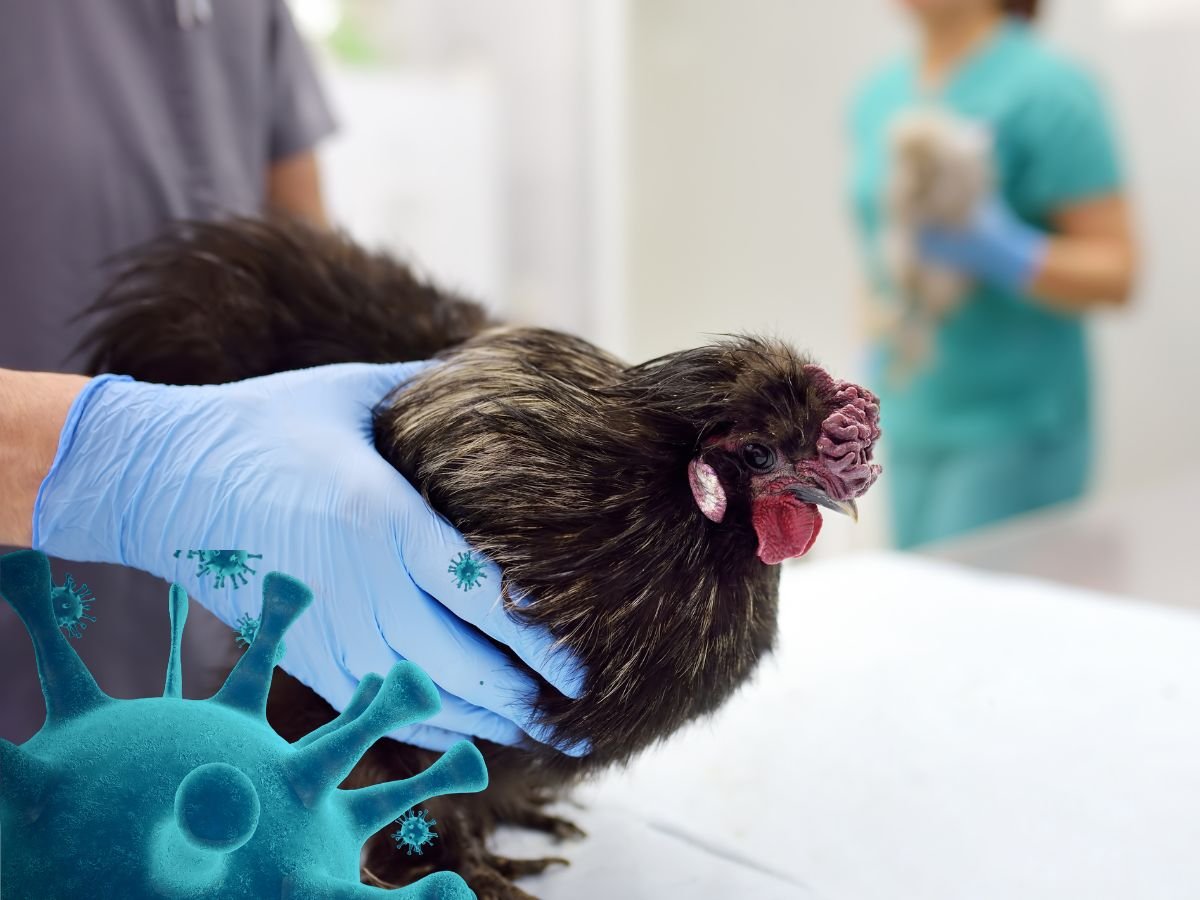
A resurgence of avian influenza (bird flu) cases across several parts of Asia has renewed global concern over the risk of zoonotic spillover—the transmission of viruses from animals to humans. Health authorities and epidemiologists are closely monitoring the spread of the highly pathogenic H5N1 strain, which has affected poultry farms, wild birds, and, in rare instances, humans.
While human infections remain limited, experts warn that the continued circulation of H5N1 among birds increases the chances of viral mutation, raising the risk of a strain capable of sustained human-to-human transmission.
What is H5N1 bird flu?
H5N1 is a subtype of influenza A virus that primarily infects birds but can occasionally jump to humans. First detected in the late 1990s, the virus has caused periodic outbreaks in poultry and wild birds across Asia, Europe, and Africa.
The concern around H5N1 lies not just in its spread among birds but in its high fatality rate in humans. According to data compiled by the World Health Organization, more than half of the confirmed human H5N1 infections reported globally since 2003 have resulted in death.
Recent months have seen fresh outbreaks of H5N1 in poultry farms and wild bird populations across several Asian countries. Authorities in East and Southeast Asia have reported increased detections in ducks, chickens, and migratory birds, triggering large-scale culling operations to prevent further spread.
Countries including South Korea, Japan, China, and parts of Southeast Asia have heightened biosecurity measures after identifying highly pathogenic strains in domestic and wild birds. Seasonal migration of birds has further complicated containment efforts, allowing the virus to travel across borders.
In South Asia, authorities have also stepped up surveillance following sporadic detections in poultry clusters. India, which has previously reported avian influenza outbreaks, has reinforced monitoring of live bird markets and farms, particularly during winter months when cases tend to rise.
Why zoonotic spillover is a growing concern
Zoonotic spillover occurs when a virus adapts to infect humans after circulating in animal populations. Experts warn that every outbreak in birds presents an opportunity for the virus to mutate, especially in environments where humans and animals interact closely.
“H5N1 does not yet transmit efficiently between humans, but the more it spreads among birds, the greater the risk of genetic changes,” infectious disease specialists say. Past pandemics, including the 2009 H1N1 influenza outbreak, were driven by viruses that originated in animals before adapting to humans.
Human infections: rare but severe
Human cases of H5N1 remain relatively rare, but when infection does occur, the illness is often severe. Initial symptoms may resemble seasonal flu, including fever, cough, sore throat, and muscle aches. However, the disease can rapidly progress to:
Severe pneumonia
Acute respiratory distress
Multi-organ failure
Because early symptoms overlap with common respiratory infections, delayed diagnosis can worsen outcomes.
Are current outbreaks linked to humans?
So far, health officials have found no evidence of sustained human-to-human transmission in the ongoing outbreaks. Most human infections recorded globally have been linked to direct contact with infected birds or contaminated surfaces.
However, experts caution that vigilance is essential. “The absence of human transmission today does not guarantee safety tomorrow,” public health specialists warn, emphasizing the importance of early detection and rapid response.
Preparedness lessons from COVID-19
The COVID-19 pandemic reshaped how governments and health agencies respond to emerging infectious diseases. Surveillance systems for influenza viruses have since been strengthened in many countries, allowing faster detection of unusual strains.
Public health experts say these systems are now being actively used to track avian influenza viruses like H5N1. Genetic sequencing of virus samples helps scientists identify mutations that could signal increased risk to humans.
Despite these advances, gaps remain—especially in regions with dense poultry farming, limited veterinary infrastructure, and informal live bird markets.