


A 52-year-old UK woman underwent quadruple amputation after a lick from her dog caused sepsis on a small cut or scratch. The survivor, Manjit Sangha, has returned home after 32 weeks in hospital, several cardiac arrests and the amputation. Sangha, in July 2025, returned home on Sunday afternoon from work feeling unwell. The next morning, she was unconscious and her hands and feet were ice-cold, her lips had turned purple and she was struggling to breathe. Speaking to the media, her husband, Kamaljit Sangha said, “Your mind is all over the place. You’re thinking, ‘How can this happen in less than 24 hours?’ One minute on a Saturday, she is playing with the dog, Sunday she’s gone to work, Monday night she is in a coma.”
According to the sources, She was then rushed to the New Cross Hospital in Wolverhampton where she was admitted to the intensive care unit. Later, doctors had to amputate both of her legs below the knee, as well as both of her hands, due to the spread of the condition. Sangha suffered six cardiac arrests and had several complications during her stay at the hospital. Along with the amputation, her spleen was also removed.
Woman Loses Four Limbs After Dog’s Lick: What Happened?
According to medical reports from similar past cases, bacteria commonly found in dog saliva — including Capnocytophaga canimorsus — can, in very rare circumstances, cause severe infections in humans. These bacteria are typically harmless to dogs and may not cause symptoms in healthy individuals. However, if they enter the bloodstream through a cut, scratch, or weakened immune system, they can lead to overwhelming infection.
In this case, the woman reportedly developed flu-like symptoms shortly after close contact with her pet. Within days, her condition deteriorated rapidly. She experienced high fever, confusion, severe body pain, and dangerously low blood pressure. Doctors later diagnosed her with septic shock — the most severe form of sepsis.
Despite aggressive treatment, including antibiotics and intensive care support, the infection caused extensive tissue damage. Blood flow to her limbs was severely compromised, leading to gangrene. To save her life, doctors were forced to amputate both arms and both legs.
Sepsis: Everything You Need To Know About This Deadly Disease
Sepsis is a life-threatening condition that happens when the body’s immune system has an extreme response to an infection, causing organ dysfunction. The body’s reaction causes damage to its own tissues and organs and it can lead to shock, multiple organ failure and sometimes death, especially if not recognized early and treated promptly.
Sepsis can affect anyone, but people who are older, very young, pregnant or have other health problems are at higher risk.
Common signs of sepsis include fever, fast heart rate, rapid breathing, confusion and body pain. It can lead to septic shock, multiple organ failure and death.
Sepsis is usually caused by bacterial infections but may be the result of other infections such as viruses, parasites or fungi. Its treatment requires medical care, including the use of antimicrobials, intravenous fluids and other measures.
Who is at risk?
Anyone affected by an infection, severe injury, or serious non-communicable disease can progress to sepsis but vulnerable populations are at higher risk (6,7) including:
- older persons
- pregnant or recently pregnant women
- neonates
- hospitalized patients
- patients in intensive care units
- people with weakened immune systems (for example HIV, cancer)
- people with chronic medical conditions (for example kidney disease, cirrhosis).
Signs and symptoms
Sepsis is a medical emergency. It can cause different signs and symptoms at different times. People who think they may have sepsis should seek medical care right away.
Common signs and symptoms include:
- fever or low temperature and shivering
- confusion
- difficulty breathing
- clammy and sweaty skin
- extreme body pain or discomfort
- high heart rate, weak pulse or low blood pressure
- low urine output.
Symptoms in children include:
- fast breathing
- convulsions
- pale skin
- lethargy
- difficulty waking up
- feeling cold to the touch.
In children under 5 years old, it can cause difficulty feeding, frequent vomiting or lack of urination.
Prevention
Sepsis can be prevented by treating infections early and through good hygiene at home and in healthcare settings.
The best way to reduce the risk of sepsis is to avoid infections. Steps include:
- good personal hygiene, like washing hands and preparing food safely
- avoiding unclean water or unsanitary toilets
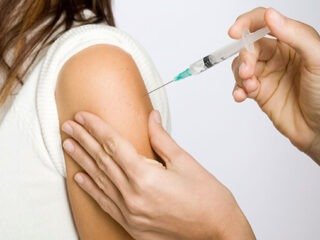
- getting vaccines recommended by local health officials
- eating a healthy diet
- breastfeeding for newborns.
Hospitals and clinics should follow effective rules for infection prevention and control. Antibiotics should be used appropriately to treat infections.
Sepsis is always a serious condition but people living with HIV, tuberculosis, malaria and other infectious diseases are at higher risk.











Leave a comment