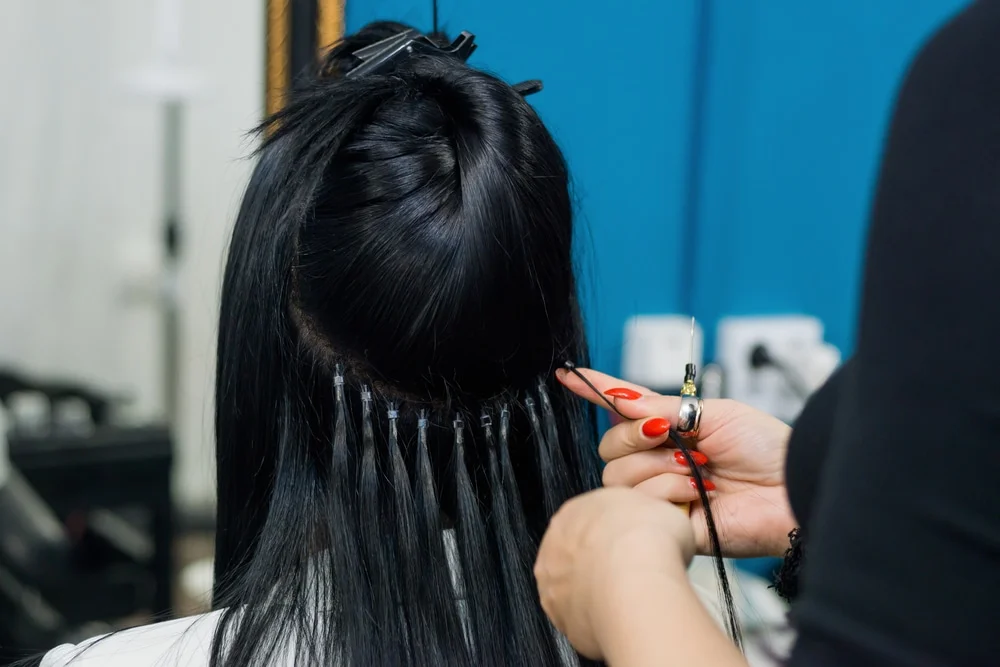
Hair extensions have become one of the most popular beauty trends worldwide. From adding instant volume to achieving longer, glamorous hair, many people rely on so-called “natural” hair extensions for everyday styling.
But a shocking new study has raised serious health concerns.
Researchers have found that many widely used hair extensions — even those marketed as natural or human hair — may contain toxic chemicals and harmful substances that can affect the scalp, hormones, respiratory health, and even long-term well-being.
With millions using extensions regularly, experts say it’s time to understand the hidden risks behind this beauty staple.
What Did the Study Reveal?
According to recent findings, several hair extension products were found to contain:
- Formaldehyde
- Phthalates
- Heavy metals (like lead and mercury)
- Flame retardants
- Synthetic coatings and dyes
These chemicals may be introduced during processing, coloring, preservation, or manufacturing.
Even though extensions appear harmless, prolonged exposure — especially through the scalp — may lead to significant health issues.
6 Health Impacts of Toxic Chemicals in Hair Extensions
1. Scalp Irritation and Allergic Reactions
One of the most immediate side effects is irritation.
Toxic chemicals can trigger:
- Itching
- Redness
- Burning sensation
- Rashes
- Scalp swelling
People with sensitive skin or eczema may experience severe flare-ups after wearing extensions.
2. Hair Loss and Traction Alopecia
Extensions already put stress on hair roots, but chemical exposure may worsen the damage.
This can lead to:
- Hair thinning
- Breakage near the roots
- Patchy hair loss
- Long-term follicle damage
Traction alopecia becomes more common when extensions are worn tightly for weeks.
3. Hormonal Disruption (Endocrine Effects)
Some studies highlight the presence of phthalates, chemicals known to interfere with hormone function.
Hormonal imbalance may cause:
- Irregular periods
- Fertility issues
- Thyroid disruption
- Mood swings
- Increased risk of PCOS-like symptoms
This is especially concerning for women who use extensions frequently.
4. Increased Risk of Respiratory Problems
Hair extensions are often treated with coatings that release fumes over time.
This may lead to:
- Chronic coughing
- Asthma flare-ups
- Throat irritation
- Difficulty breathing
- Allergic airway reactions
People working in salons or using extensions daily may face higher exposure.
5. Risk of Toxic Exposure Through the Scalp
The scalp is highly absorbent, and chemicals can enter the body through prolonged contact.
Possible toxic effects include:
- Headaches
- Nausea
- Fatigue
- Neurological symptoms
- Skin barrier damage
Continuous use without breaks increases absorption risk.
6. Potential Long-Term Cancer Concerns
One of the most frightening findings is the detection of formaldehyde and carcinogenic compounds in some products.
Formaldehyde exposure has been linked to:
- Increased cancer risk with repeated exposure
- DNA damage
- Chronic inflammation
While occasional use may not cause immediate harm, experts warn about cumulative long-term exposure.
Why Are These Chemicals Present in Extensions?
Hair extensions go through heavy processing such as:
- Chemical washing
- Dye treatments
- Preservation with industrial agents
- Anti-mold and anti-bacterial coatings
- Flame retardant application for shipping
Many products are imported without strict regulation, meaning consumers may not know what they’re wearing.
Hair extensions may seem like a harmless beauty upgrade, but this study highlights an unsettling reality: many widely used products could expose users to toxic chemicals with real health consequences.
From scalp allergies and hair loss to hormonal disruption and long-term risks, experts urge consumers to stay informed, choose safer alternatives, and demand stronger regulation in the beauty industry.
Your beauty routine should never come at the cost of your health.