

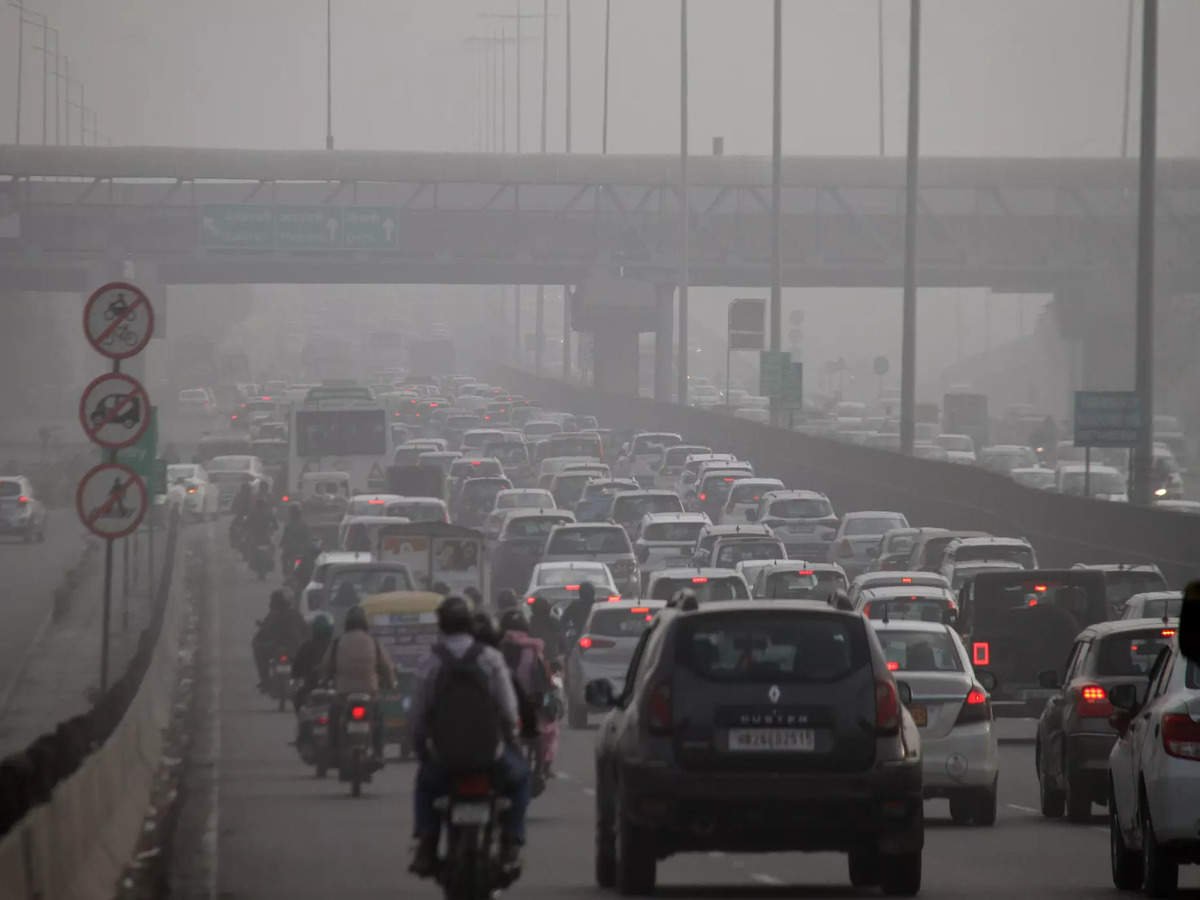
New Delhi, 20 November 2024: Air pollution has long been recognized as a significant public health threat, but recent data underscores the alarming scale of its impact on human life. According to a joint report by the World Health Organization (WHO) and the State of Global Air (SOGA), air pollution was linked to 4.2 million deaths globally in 2019. By 2021, this figure had nearly doubled to a staggering 8.1 million deaths. This rapid increase highlights the urgent need for collective action to combat air pollution and mitigate its devastating effects on human health and the environment.
The Causes of Air Pollution
Air pollution stems from numerous sources, including emissions from vehicles, waste from industries, and the burning of household refuse. Urban areas are especially vulnerable, with high population density and congested traffic significantly worsening air quality. According to the WHO, fine particulate matter (PM2.5) accounts for a notable portion of air pollution, capable of invading the lungs and even entering the bloodstream, resulting in serious health issues.
Health Consequences of Poor Air Quality
The health risks linked to air pollution are extensive and varied. Those exposed to contaminated air face a greater likelihood of developing respiratory illnesses, heart problems, and even neurological disorders. Vulnerable groups such as children, the elderly, and individuals with pre-existing medical conditions are at an even higher risk. The WHO underlines that long-term exposure to air pollutants can diminish both life expectancy and overall quality of life, making it crucial for governments and health organizations to tackle this issue without delay.
The Global Response
Given these alarming figures, a worldwide response to air pollution is becoming increasingly essential. Countries are beginning to enforce stricter emission regulations and are promoting cleaner energy options. For instance, many nations are turning to renewable energy sources, like wind and solar power, to lessen their reliance on fossil fuels. Additionally, international agreements such as the Paris Agreement aim to reduce climate change, which in turn helps to tackle air quality issues by endorsing sustainable practices.
The Role of Public Awareness
Educating the public is vital in the fight against air pollution. Raising awareness about its sources and the risks involved empowers individuals to make better choices. Encouraging initiatives like public transport usage, carpooling, and the adoption of electric vehicles is key in cutting down emissions. Moreover, community projects focused on planting trees and greening urban spaces can significantly enhance air quality and promote healthier living conditions.
The Importance of Policy Change
To effectively address air pollution on a broader spectrum, meaningful policy changes are crucial. Governments need to prioritize air quality in their agendas and invest resources in research and monitoring. Implementing tougher vehicle emission standards, fostering energy-efficient building designs, and improving public transport systems are essential measures in lowering pollution levels. Policymakers should also work alongside scientists and health professionals to create comprehensive strategies that consider both air quality and public health.
The Economic Impact of Air Pollution
The economic consequences of air pollution are substantial and often underestimated. The healthcare expenses associated with treating conditions caused by air pollution can place a heavy burden on national economies. Additionally, decreased workforce productivity and increased sick days stemming from health issues related to poor air quality can stifle economic growth. By committing to cleaner air initiatives, countries can not only enhance public health but also stimulate their economies over time.
The rising death toll linked to air pollution, as reported by the WHO and the State of Global Air Report, serves as a crucial wake-up call for everyone around the globe. It underscores the pressing need for united efforts to enhance air quality and safeguard public health. Through increased awareness, effective policies, and the promotion of sustainable practices, we can alleviate the severe impacts of air pollution and pave the way for a healthier future for coming generations. The time to take action is now, as each breath we take is a reminder of the air we share and the responsibility we share to protect it.













Leave a comment